Why Are My Bonsai Leaves Yellowing or Blackening? Solutions and Insights
If your bonsai leaves are yellowing or blackening, it may signal improper care. Discover the causes and solutions to restore your bonsai's health.
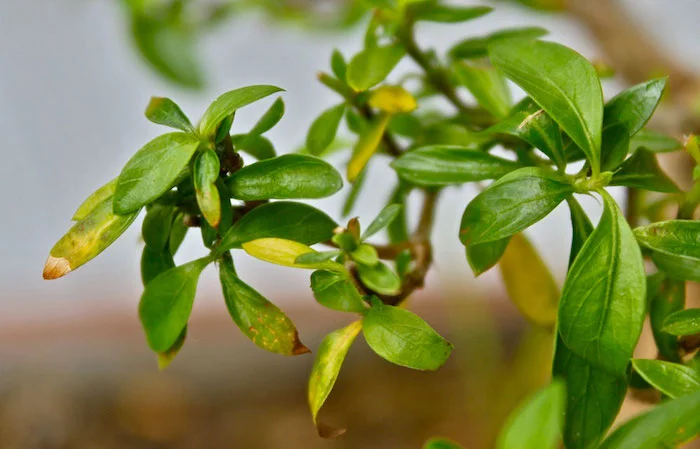
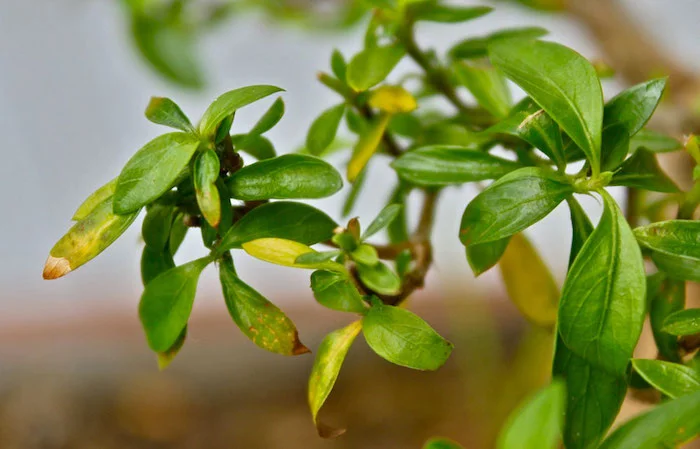
Bonsai leaf discoloration can be concerning. If you have a previously healthy bonsai with vibrant leaves, noticing yellowing or blackening foliage can be alarming. These changes, unless due to natural processes, often indicate improper care. Factors such as inadequate light, over- or under-watering, or compact soil can lead to these issues. If not addressed promptly, these symptoms can result in leaf drop and potentially the demise of your bonsai.
In this article, we will explore the common causes of leaf discoloration in bonsai and provide solutions to help restore your plant's health.
Common Causes of Leaf Discoloration
1. Watering Issues
Under-Watering
Yellowing leaves accompanied by wilting are often signs of insufficient water. However, before drastically increasing your watering routine, ensure that the yellowing is not a natural phenomenon, such as the shedding of old leaves or seasonal leaf drop.
Over-Watering
On the other hand, blackened leaves, the presence of black spots, or browning foliage typically point to over-watering. This condition often coincides with the death of buds and new shoots. When combined with low light, over-watering can lead to significant leaf drop, sometimes resulting in total defoliation. Symptoms include leaves that turn black, become soft, and may fall off suddenly.
Here are some tips for proper watering:
- Ensure that your pot has a drainage hole and that excess water can escape.
- If your bonsai is on a saucer, remove any standing water.
- Water only when the substrate is dry to a few centimeters deep.
- Avoid soaking your bonsai unless absolutely necessary, such as after a period of neglect or excessive heat.
- If uncertain about watering, consider using a moisture meter to check the soil.
2. Inappropriate Soil
Another potential cause of leaf yellowing or blackening is a substrate that is too dense. A compact soil can complicate watering and increase the risk of over-watering, particularly for beginners. If the soil is too compact and lacks drainage, it can lead to root rot or prevent adequate moisture from reaching the roots.
To remedy this, you may need to repot or transplant your bonsai using a well-draining mix, such as Akadama combined with Pouzzolane, to aerate the substrate and improve drainage.
- If your bonsai was purchased in the spring, consider repotting it.
- If acquired outside the typical repotting season, a simple transplant may suffice.
3. Improper Placement
If you've recently moved your bonsai or just acquired it, yellowing or blackening leaves can be a common response, often followed by leaf drop.
Lack of Light
One of the most frequent causes of yellowing leaves is insufficient light. Light is crucial for the successful cultivation of bonsai. This issue is especially prevalent in tropical species grown indoors, like the Ficus, which naturally thrive in high light conditions found outdoors.
While a lack of light won't necessarily kill your bonsai, it can weaken the plant and slow its growth. To mitigate this, you should increase its light exposure by placing it near a south-facing window, ideally behind a sheer curtain.
Environmental Changes
Changes in the bonsai's environment, such as a recent acquisition or relocation, can also trigger yellowing leaves. In such cases, the plant may need a couple of weeks to acclimatize to its new surroundings.
4. Pest Infestation
Although less common, an infestation of mites or spider mites can lead to leaf problems in your bonsai. Signs of these pests include visible spider webs, often red in color. To eliminate these pests, a thorough showering of your bonsai can be effective. If the problem persists, you may need to use a specialized pest control product available at bonsai retailers or garden centers. Always read the instructions carefully and consult a professional if needed.
If your bonsai is shedding leaves, aside from deciduous species, it typically indicates a care issue. Understanding the reasons behind this can help you provide the necessary care to keep your bonsai thriving.
For insights on how to water your bonsai effectively and factors influencing watering frequency, further reading is available.