Aloe Vera: Essential Care Tips for Thriving Growth
Aloe vera is a succulent plant well-suited for indoor environments. Discover essential care tips, including placement, watering, fertilization, and repotting for successful growth.
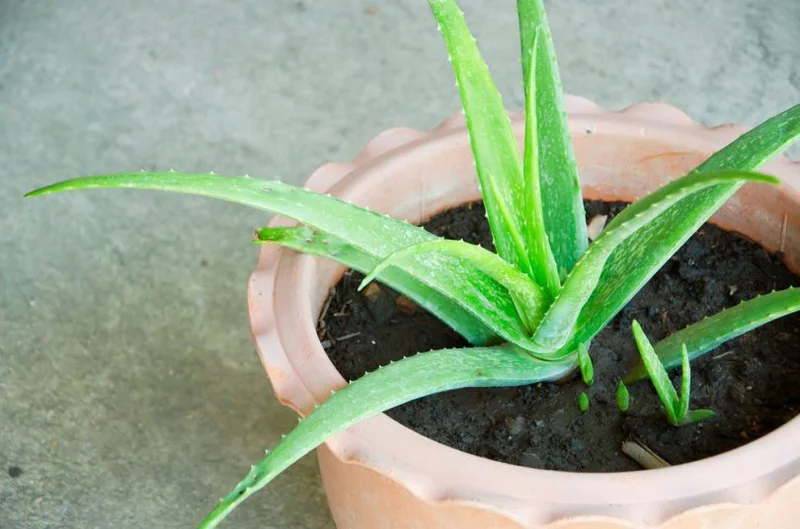
Aloe Vera: Essential Care Tips
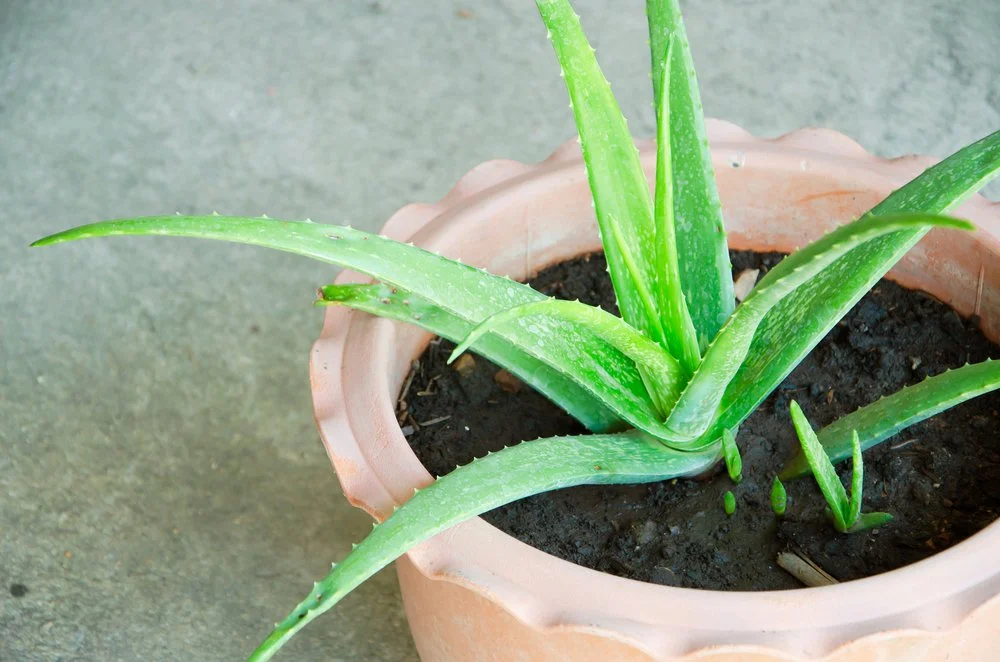
Aloe vera, a member of the succulent family, has been cultivated for centuries across Mediterranean regions, North Africa, and the Canary Islands. This succulent features evergreen leaves filled with aloe gel, commonly found in beverages and cosmetic products.
Natural Remedies
Among the 400 varieties of aloe, some bloom in spring and autumn, showcasing vibrant flowers in shades of yellow, orange, or red. As a perennial plant, aloe vera thrives in warm environments and adapts well to indoor cultivation, making it an excellent choice for those new to gardening.
In this article, we will cover the key aspects needed for the successful growth of your aloe vera plant.
Choosing the Right Location
Aloe vera naturally grows in arid climates, often found in places like the Canary Islands and North Africa. Due to its origins, the plant is sensitive to shade, cold, and excess moisture.
This hardy plant is well-suited for indoor conditions, thriving in warmth and light. It is crucial to place it in a warm and sunny spot (whether direct or indirect sunlight). Ideal locations include windowsills or sunrooms, while dark or damp areas, such as basements or bathrooms, should be avoided.
During the summer, you can move your aloe outdoors, ensuring it remains in a sunny location. However, be cautious as this plant is primarily composed of water; exposure to frost can be fatal. To protect it, bring your aloe indoors when nighttime temperatures drop below 15°C.
Aloe vera, like cacti, requires careful and moderate watering. These plants hail from regions with dry climates, and overwatering can lead to root rot.
There is no one-size-fits-all approach to watering succulents; the frequency and amount depend on the plant's location, pot size, and growth stage. Observing your plant and checking the soil moisture will help determine when it needs watering.
As a guideline, in most environments, water your aloe vera every two weeks in summer and once a month in winter, using room temperature water and applying it between the leaves, which are known to retain moisture.
Watering Tips:
- Ensure your pot has drainage holes to allow excess water to escape.
- After repotting your aloe, wait a few days before watering to help the roots acclimate to the new soil.
- If your plant is outside, shelter it during heavy rain to prevent overwatering.
- You may add some fertilizer to your watering during the growing season.
- Use non-calcareous water at room temperature for irrigation.
Fertilization
Aloe vera does not have a strong need for fertilizer. However, to encourage more vigorous growth and root establishment, consider fertilizing your plant from April to September, its active growth period.
You can use a liquid fertilizer designed for cacti and succulents, diluting it according to package instructions. Apply this mixture once or twice a month during watering. Cease fertilization in winter and autumn, and avoid over-fertilizing, as aloe vera should grow at a natural pace to establish properly in its soil.
Repotting
For optimal health, repot your aloe vera into a larger pot every 3 to 4 years in early spring. A larger pot allows for root expansion, and repotting also provides an opportunity to renew the soil, which depletes over time as the plant absorbs nutrients.
For larger aloe vera plants, repotting can be challenging. In such cases, consider topping up the soil—a technique that involves refreshing the top few centimeters of soil without disturbing the roots.
Repotting Tips:
- After repotting, wait two to three days before watering to allow the roots to adjust.
- Use a drainage pot to prevent water from stagnating at the bottom and rotting the roots.
Steps to Repot an Aloe Vera
- Choose a larger pot.
- Add a layer of clay pebbles at the bottom for drainage.
- Place a drainage fabric over the clay layer to keep the soil separated.
- Mix cactus soil with sand to create a well-draining substrate.
- Add a few centimeters of this mix on top of the drainage fabric.
- Remove the aloe vera from its old pot and place it in the new one.
- Fill in the gaps with the soil-sand mix.
- Finish by firming the substrate with your fingers. If it settles, add more mix as needed.
Repotting in Video
For gardeners looking for more tips, guides, and calendars, explore our selection of the best gardening books.
Growing an avocado is quite simple. With a few basic steps and a bit of patience, you can cultivate your own avocado tree at home, adding a lovely touch to your indoor garden.