Exploring the Wonders of Aloe Vera
Discover the versatile uses and care requirements of Aloe vera, a popular succulent known for its healing properties and aesthetic appeal.
Aloe Vera: The Versatile Plant
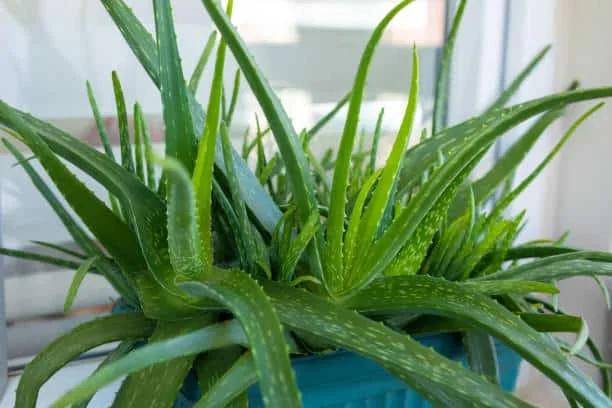
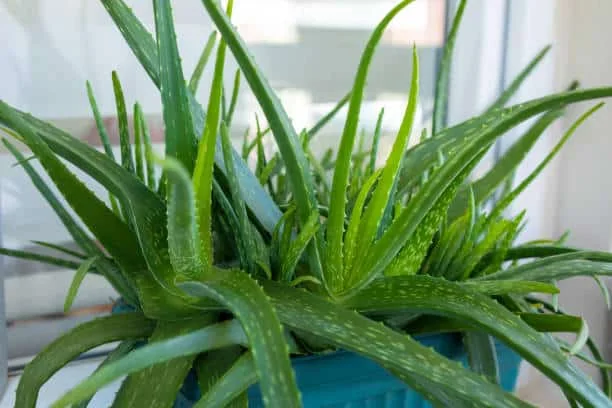
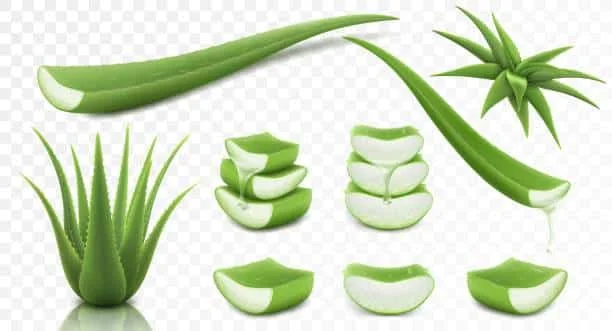
Aloe vera, commonly known as the bitter aloe, is a plant that many have utilized, particularly for its external applications on the skin. Renowned for its hydrating, healing, regenerative, antioxidant, astringent, soothing, anti-inflammatory, and softening properties, the gel extracted from the center of its leaves is often used to treat skin ailments, burns, wounds, and inflammation. However, it is important to note that some individuals may have allergic reactions to aloe gel.
Growing Conditions
This succulent thrives in bright sunlight and prefers a relatively dry environment. During the winter months, it can tolerate temperatures between 8 and 10 °C. Known for its drought resistance, aloe vera blooms in winter, producing a spike of tubular yellow flowers.
When repotting, it's advisable to use cactus soil, although aloe vera can thrive even in pots that seem too small for its size. Propagation is typically done through leaf cuttings, which should be allowed to dry for two to three days before being planted in soil.
Interesting Varieties
Several intriguing varieties of aloe exist:
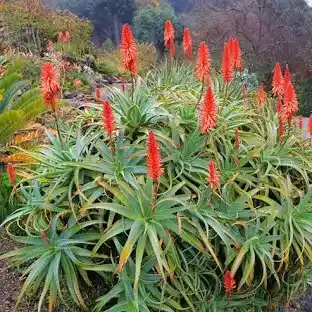
- Aloe arborescens: This variety can reach heights of up to 2 meters indoors.
- Aloe variegata: Known as the "partridge throat" aloe, it grows to about 15 cm tall and features dark green leaves with irregular white stripes.
- Aloe plicatilis: This type has long, narrow, non-spiny leaves.
Decorative Uses of Aloe Vera
Incorporating aloe vera into home decor creates a distinct desert ambiance, reminiscent of North African or South American interiors. Pairing it with colorful rugs, maracas, drums, and other cacti or succulent plants enhances the aesthetic. For pot selection, a simple white or wicker cache-pot is recommended to avoid clashing with the plant's vibrant colors, while blue ceramic pots can add an interesting touch. To maintain a romantic feel, consider vertical lines with plants such as yucca, dracaena, papyrus, and blooming orchids.