Identifying and Managing the Large Gland Ant: Tapinoma magnum
Learn how to identify and manage the invasive Large Gland Ant, Tapinoma magnum, which forms supercolonies and disrupts local ecosystems. Early detection is key.
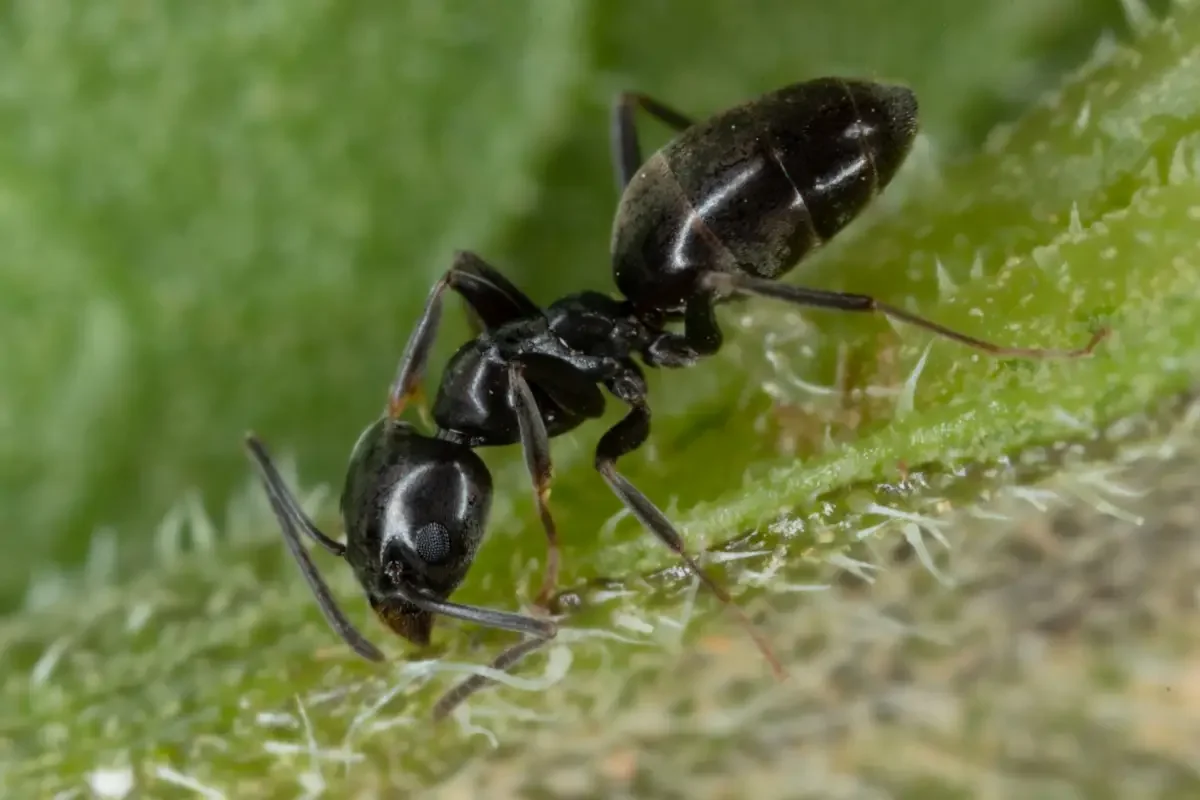
The supercolonies of Tapinoma magnum consist of hundreds to thousands of reproductive queens and can span several hectares. Early detection can help contain an infestation.
These tiny, agile ants may appear harmless at first, but they can quickly become a nuisance when they invade homes, gardens, or patios. The Large Gland Ant (Tapinoma magnum), an invasive species, is increasingly spreading across Germany, forming massive colonies that can turn into a serious problem. This article provides insights on how to identify and effectively combat Tapinoma magnum.
Overview: Tapinoma magnum
| Feature | Details | |---------|---------| | Scientific Name | Tapinoma magnum | | Common Name | Large Gland Ant | | Family | Formicidae | | Origin | Western Mediterranean, North Africa | | First Recorded in Germany | 2009, Upper Rhine Region | | Worker Size | 2 to 5 mm, highly variable | | Color | Completely black, no brown or reddish spots | | Number of Queens per Colony | Hundreds to thousands | | Nest Depth | Up to 1 meter | | Hibernation | None |
Origin
Tapinoma magnum originates from the western Mediterranean, with populations found in Spain, Italy, and North Africa. Current research suggests they arrived in Germany through the importation of Mediterranean potted plants, such as olive trees, oleanders, and citrus trees. Queens or entire colony fragments can be hidden in the transported soil, facilitating their movement into gardens. The Rhine Valley serves as a significant corridor for their spread due to its increasingly Mediterranean climate, which favors the species.
Habitat
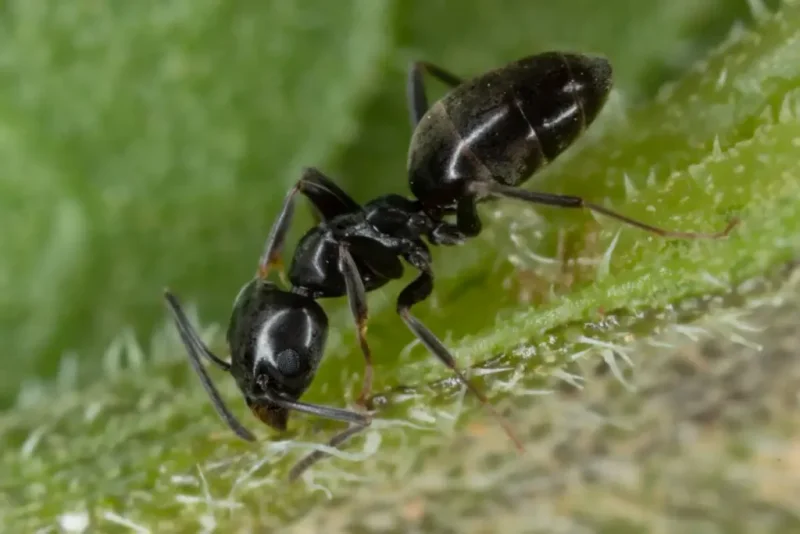
The success of Tapinoma magnum lies in its colony structure. Rather than living in a single nest, they form extensive supercolonies with numerous brood centers, thousands of queens, and millions of workers. These colonies can cover areas of up to one hectare, making them particularly resilient.
To establish such nests, Tapinoma magnum requires specific conditions, preferring warm, sunny, and dry locations. They typically settle under paving stones, in sandy crevices, or near buildings, while avoiding green lawns.
Impact of Tapinoma magnum
Although these ants do not transmit diseases, their spread can lead to several issues. Underground, Large Gland Ants create a network of tunnels that can destabilize paving and terraces. Entire slabs may sink, and pathways can become uneven. This is particularly concerning when colonies invade electrical or telecommunications boxes, as it can lead to short circuits and outages.
Ecologically, the species poses a threat by displacing native ant species, disrupting the balance in gardens. Additionally, Tapinoma magnum promotes aphid infestations by protecting their honeydew as a food source. Early detection of an infestation is crucial to preventing extensive spread.
Identifying this species can be challenging, even for experienced individuals. The Natural History Museum in Stuttgart emphasizes that significant expertise and a high-magnification stereomicroscope are necessary for accurate identification. However, several characteristics can raise suspicion.
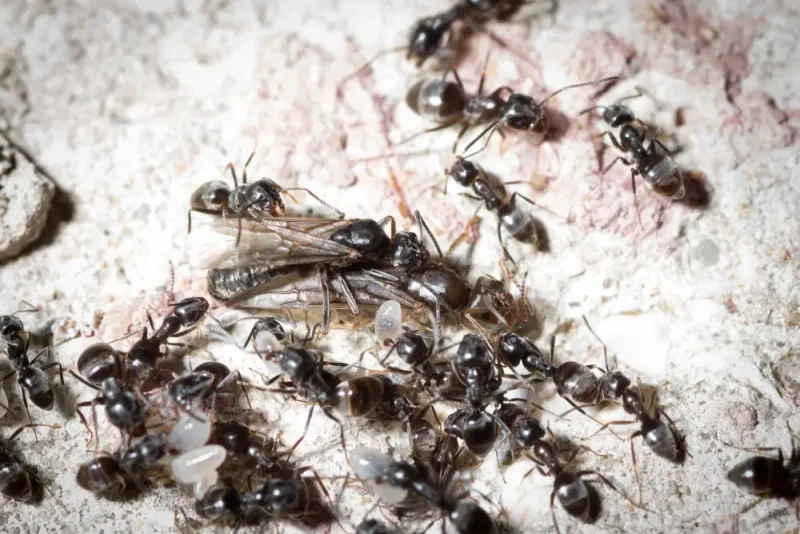
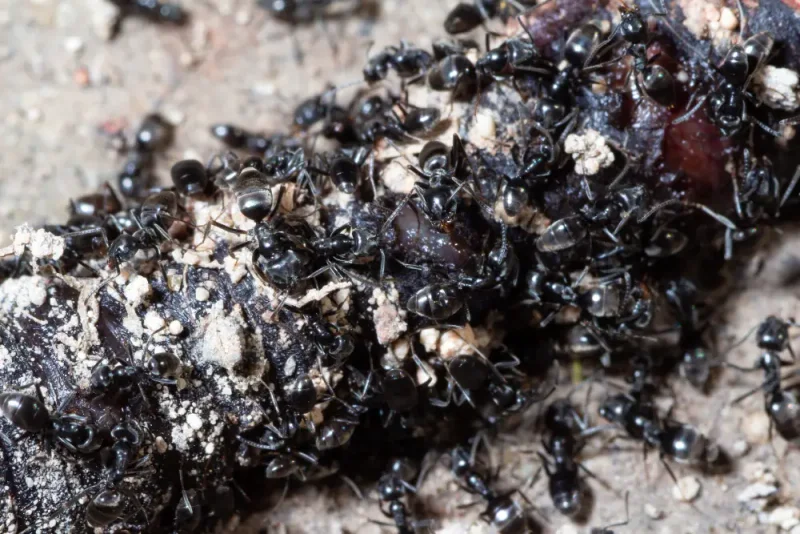
Color and Size Workers are entirely black, without any brown or reddish coloration. They also exhibit a high degree of size variability, ranging from 2 to 5 mm, with the smallest and largest individuals in a colony often being twice as different in size. This size heterogeneity sets Tapinoma magnum apart from native ant species like the common black ant, which tend to have a more uniform worker size.
Body Structure In Tapinoma magnum, the petiole, which connects the thorax and abdomen, is flat and covered by the abdomen. It is barely visible to the naked eye on the surface but can be seen with a magnifying glass. In contrast, this joint is more pronounced in native ant species from the Formicinae or Myrmicinae subfamilies.
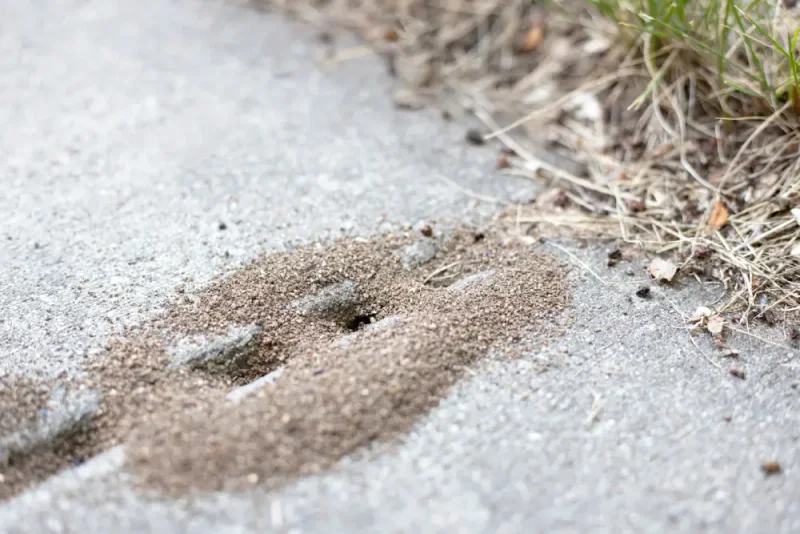
Behavior and Nests During summer, these ants create broad, multi-lane paths across paving stones and garden borders. Upon disturbing a nest entrance, many workers rush to the surface. Additionally, sand accumulates at the nest openings. Tapinoma magnum can burrow as deep as one meter into the ground.
Brood The pupae of Tapinoma magnum do not have cocoons. Upon close inspection, the limbs and eyes of the unhatched ants can be seen, and older pupae may even exhibit a dark coloration. In contrast, the pupae of the common black ant are enclosed in a brown cocoon. It is also typical for workers to frequently transport brood between different nests through the soil.
Smell Test When a worker is gently crushed between fingers, a strong odor is released. Frank Hornburg, a horticulturist from the municipal gardens in Bad Vilbel, describes it as “citrus-like.” Researchers at the Natural History Museum in Stuttgart compare it more to acetone or cleaning products. While perceptions may vary, once gardeners are familiar with this scent, they can easily identify it again.
💡 Tip: A single characteristic is insufficient for accurate identification. If multiple traits are observed, the Natural History Museum in Stuttgart recommends taking photos from various angles and having the suspicion confirmed by experts through their reporting portal.
Combatting Tapinoma magnum
Managing Tapinoma magnum is one of the most challenging tasks for gardeners, as these ants cannot be relocated like native species. The colonies house hundreds to thousands of reproductive queens simultaneously.
Treating only a part of the nest can lead to remaining brood centers retreating deeper into the soil and returning later.
Additionally, a phenomenon known as unicoloniality occurs, where individuals from different nests within the same supercolony cooperate rather than compete, creating an underground network that can span several hectares.
Once the species is confirmed in a garden, it is advisable to notify the local authorities. An infestation treated solely on personal property can return from neighboring plots. Coordinated actions are more effective than isolated measures for a species that does not recognize boundaries. A positive example comes from Zurich: Through early and coordinated efforts by the municipality and pest control, a newly discovered colony was completely eradicated.
Boiling Water
The simplest method for home gardens is to pour boiling water directly into visible nest openings. This kills brood and ants in the upper nest area but does not reach the deeper brood chambers up to one meter underground. Daily applications of water can at least keep the infestation small. In Kehl, pest controllers are also using specialized earth probes and hot water foam, which penetrate deeper into the soil starting in spring 2025.
Nematodes
Nematodes of the species Steinernema feltiae are tiny roundworms that live in the soil and parasitize the larvae and pupae of the Large Gland Ant in their nests. Initial reports from users and expert articles suggest that their use is promising, especially when applied generously with sufficient water directly at the nest openings. The soil temperature should be between 10 and 28 °C, and they should be applied in the morning or evening to avoid direct sunlight.
💡 Tip: Since they only attack the brood and not the adult ants, patience is required. Repeated applications every four weeks ensure effectiveness over several brood generations. Tips for application can be found in my article on nematodes against ants.
Diatomaceous Earth as a Barrier
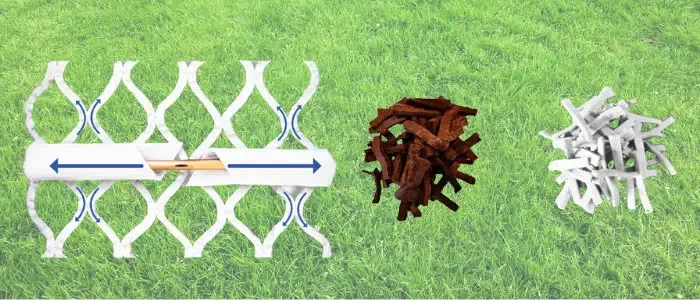
Diatomaceous earth, a fine powder made from fossilized algae, can be applied as a barrier at doors, window frames, and utility shafts. It acts like sandpaper on the ant's skin, destroying their protective wax layer and causing them to dehydrate. This method is particularly effective when combined with nematodes. While nematodes combat the larvae, diatomaceous earth weakens the adult ants.
💡 Tip: Only use diatomaceous earth products approved under the Biocide Regulation 2025, and protect your mouth and nose from the fine dust during application.
Professional Pest Control
Chemical insecticides should not be used by amateur gardeners.
We strongly advise against the private use of insecticides, especially for large colonies deeply established in the soil. Besides their limited effectiveness on individual nests, improperly applied products can harm beneficial native ant species, overall soil fauna, and groundwater.
Moreover, the private use of many substances against Tapinoma magnum is legally restricted, as the species originates from another EU country. In such cases, hiring a pest control professional is recommended. They have access to approved products and apply them in a targeted and legally compliant manner.
💡 Tip: Ant traps can provide relief around terraces, but for professional management of Tapinoma magnum, a pest control expert is the right choice. Extra caution is necessary when children and pets are exploring the garden, as well as protecting wildlife like hedgehogs.
What Home Remedies Can Achieve
Traditional home remedies for ants, such as vinegar, cinnamon, and coffee grounds, may temporarily deter native ant species from garden edges. However, they are virtually ineffective against Tapinoma supercolonies in the soil, as confirmed by experts at the Offenburg workshop in April 2025. If individual ants are spotted indoors, they can be removed with a vacuum cleaner bag, which should be disposed of afterward. While this does not resolve the underlying issue in the soil, it can provide temporary peace indoors.
Preventing Tapinoma magnum
While complete prevention against the Large Gland Ant is nearly impossible, several measures can reduce the risk in your garden:
- Newly purchased potted plants from the Mediterranean, especially olive trees, oleanders, and citrus trees, should be thoroughly checked for ant infestation in the soil before planting.
- Avoid planting these species in gardens where Tapinoma magnum has been identified in nearby areas.
- Regularly monitor for signs of ant activity, particularly during warmer months.
By staying vigilant and taking early action, gardeners can help manage the challenges posed by Tapinoma magnum.