The Ecological Benefits of a Garden Greenhouse
A garden greenhouse serves as a protective space for plants, enhancing productivity and ecological benefits. Discover how greenhouses optimize water use, manage energy, and support biodiversity.
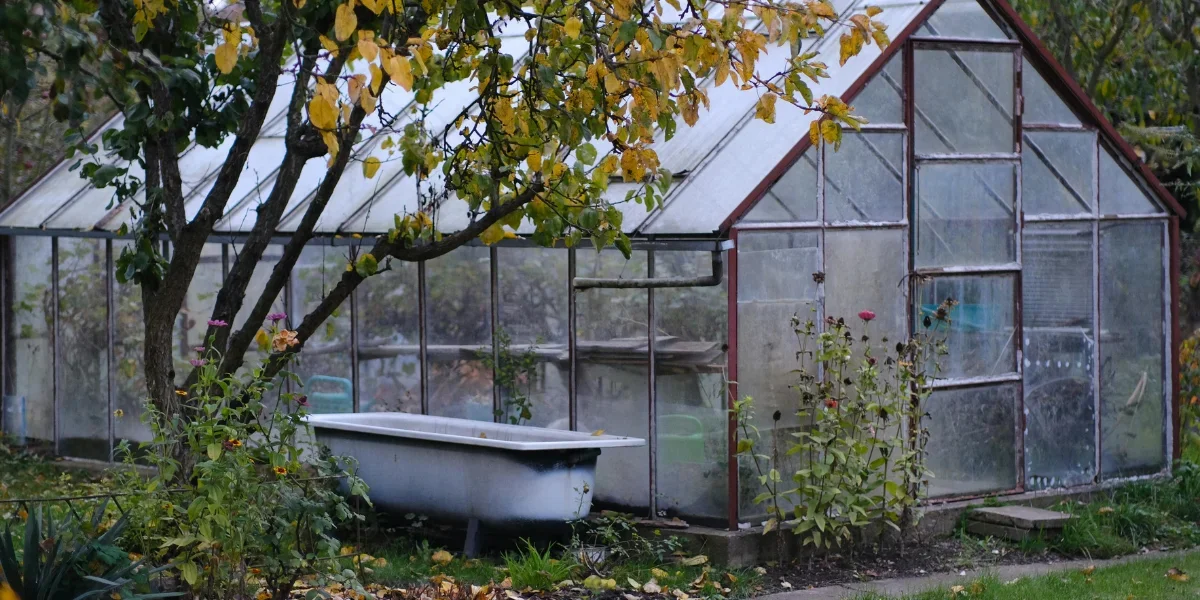
A garden greenhouse acts as a protective bubble for plants, combining environmental respect with productivity. Increasingly, gardeners—whether novices or seasoned enthusiasts—view it as more than just an extra growing space. Beyond the joy of harvesting tomatoes or strawberries ahead of the season, a well-designed greenhouse serves as a powerful ecological ally. This article explores how this equipment transforms gardening into a more rewarding endeavor for the planet.
How Does a Garden Greenhouse Limit the Use of Natural Resources?
Installing a greenhouse allows for better management of the needs of cultivated plants. A striking example is the optimized management of water. Unlike traditional gardens, water remains concentrated under the structure, significantly reducing losses due to evaporation or runoff. Targeted watering becomes much more efficient and less resource-intensive.
By controlling humidity, gardeners can adapt the frequency of watering to the actual needs of the plants. This approach helps avoid overwatering and promotes robust growth while conserving water. Even in drought-prone regions, many gardeners find that their greenhouse enables them to maintain regular production without wasting this vital resource. Thus, investing in a garden greenhouse can make a significant difference in optimizing water management year-round.
How is Energy Managed in a Garden Greenhouse?
The design of a greenhouse also contributes to a rational management of energy. By capturing and retaining solar heat throughout the day, it reduces the need for artificial heating during cool nights or early in the season. This is where a noticeable reduction in fossil fuel consumption is observed compared to traditional heating systems.
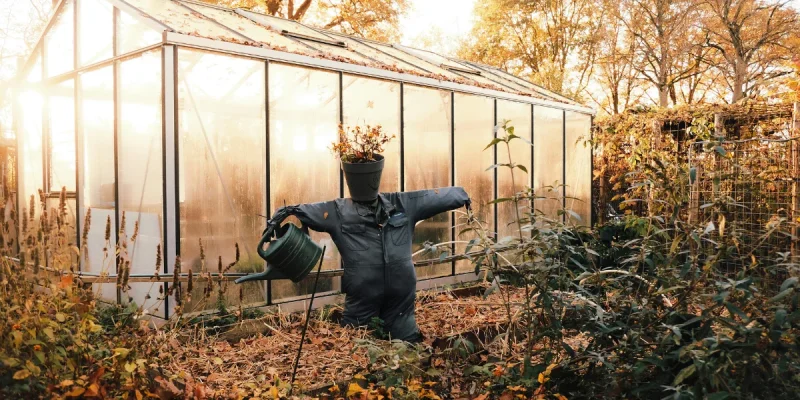
Employing strategies such as using suitable insulating materials or strategically placing the greenhouse to maximize sunlight can often minimize the need for additional electrical inputs. Additionally, opting for models constructed from recycled or reclaimed materials further lessens the ecological impact.
What Impacts Does It Have on Local Biodiversity?
A garden greenhouse also acts as a refuge against various climatic adversities. Hail, heavy rain, and strong winds can devastate outdoor crops. Sheltered within the greenhouse, plants grow peacefully, creating an opportunity to support a biodiversity often threatened in more exposed outdoor environments.
Many sensitive varieties find a stable environment, and it even becomes possible to experiment with growing plants that are not suited to the local climate. Gardeners enjoy experimenting with species from other regions, enriching the garden's diversity while avoiding the introduction of potentially invasive species into the natural ecosystem.
How Does a Greenhouse Facilitate Adaptation to Varied Climates?
The primary advantage of a greenhouse lies in its ability to extend the growing season. In nearly all regions, it is feasible to plant earlier in the spring and continue harvesting as temperatures drop, creating early or late crops that would otherwise be impossible. This flexibility appeals to both impatient urban gardeners and rural dwellers eager to maximize every plot.
In areas marked by significant temperature fluctuations, owning a greenhouse truly helps stabilize growing conditions. The soil is never waterlogged from excess water after a storm, nor is it parched during the first heat waves. A controlled microclimate thus allows for adaptation to various climates and encourages the exploration of different sustainable gardening methods throughout the year.
- Extension of the growing season
- Cultivation of plants not suited to the local climate
- Humidity control and optimized water management
- Reduction in fossil fuel consumption
- Protection against climatic adversities
What Precautions Should Be Taken for a Truly Ecological Greenhouse?
Intelligently utilizing available space involves making thoughtful choices about arrangements. Installing rainwater harvesting systems can drastically reduce the use of potable water. The integration of mulching and crop rotation helps limit soil depletion. These sustainable methods enhance the gardener's autonomy while respecting natural balances.
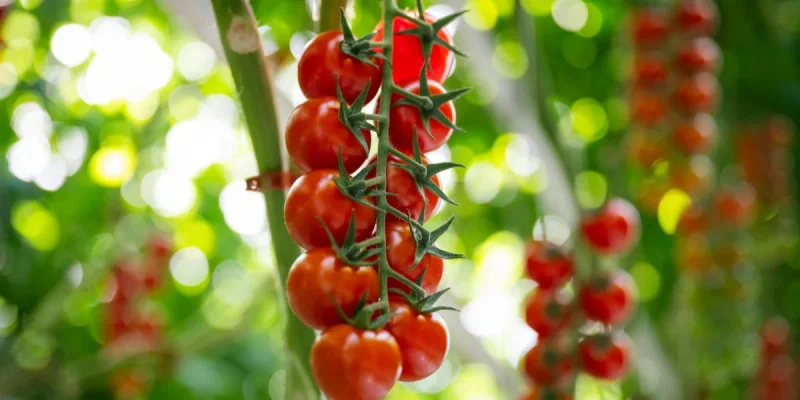
To further enhance sustainability, adding homemade compost provides essential nutrients to plants without resorting to synthetic fertilizers, which are known for their detrimental environmental effects. Plants benefit from targeted inputs tailored to each stage of their growth, thereby strengthening their natural resilience.
Can a Greenhouse Prevent Diseases and Protect Crops?
The enclosed environment of a greenhouse not only helps control the garden's climate but also effectively protects against numerous phytosanitary risks. By limiting exposure to pathogens carried by wind or rain, the greenhouse makes it more challenging for certain common diseases among vegetables or fruits to spread.
This natural barrier reduces reliance on preventive chemical treatments, often criticized for their negative impact on soil, air, and human health. Furthermore, the close monitoring afforded by a greenhouse allows for quick interventions if issues arise, always within an eco-responsible and sustainable approach.