Managing Slugs in Permaculture Gardening
Explore effective strategies for managing slugs in your permaculture garden, balancing ecological health with productive gardening practices.
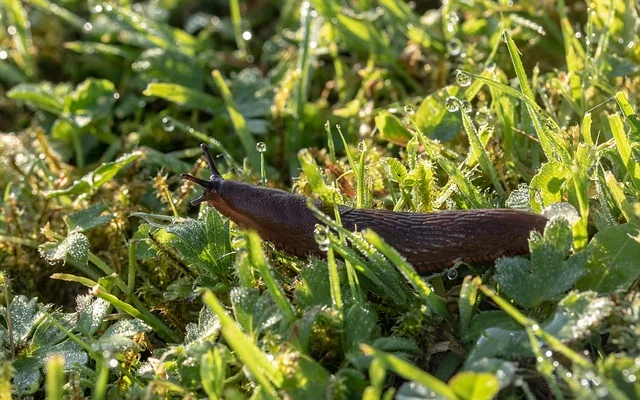
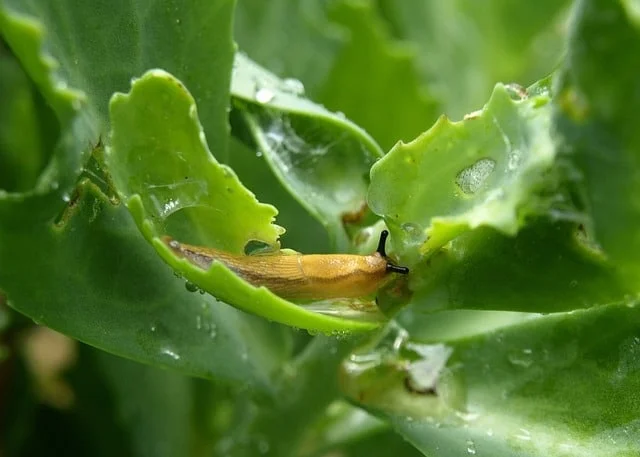
The challenges of gardening in a permaculture system often include dealing with pests, and slugs are among the most troublesome. Particularly in the early years of establishing a garden, the presence of slugs can be overwhelming, especially when using mulch, which provides an ideal habitat for these mollusks. However, as the ecosystem in your garden matures, the pressure from slugs tends to decrease. This shift is influenced by your efforts to create ecological niches that attract slug predators.
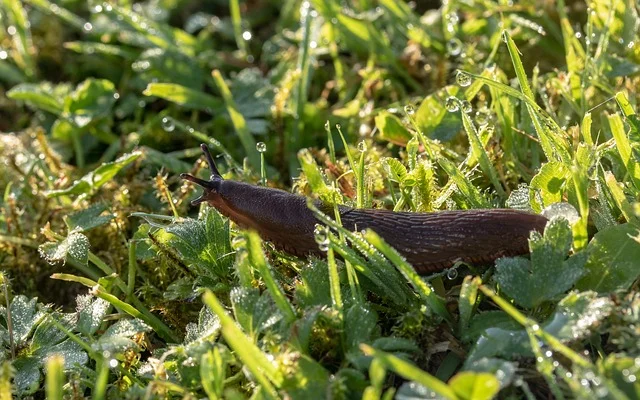
It's important to remember that slugs play a role in the ecosystem as decomposers, aiding in the breakdown of organic matter and facilitating the spread of fungi. While it's natural to want to reduce their numbers, it's equally vital to acknowledge their contributions to garden health.
To effectively manage slug populations in your permaculture garden, consider the following strategies:
Alternative Methods for Managing Slugs
Here are some approaches to dealing with slugs. While not all may yield the desired results, they are worth exploring:
-
Start with healthy, robust plants. Weak or undernourished seedlings are more susceptible to slug damage. Ensure that your plants are well-established and not stunted by cold soil or prolonged potting.
-
Create a balanced ecosystem. Encourage the presence of natural predators by establishing habitats for creatures like ground beetles, birds, hedgehogs, and lizards. This can be achieved by adding brush piles, insect hotels, and leaf or stone piles. Although you may never completely eliminate slugs, fostering their predators is a sustainable long-term solution.
-
Increase planting density. To counteract potential losses, consider sowing several seeds for every desired plant, particularly for spring lettuces and some autumn crops. This strategy helps ensure that you still have a harvest despite some losses.
-
Choose red-leafed salads. These varieties tend to attract fewer slugs compared to their green counterparts.
-
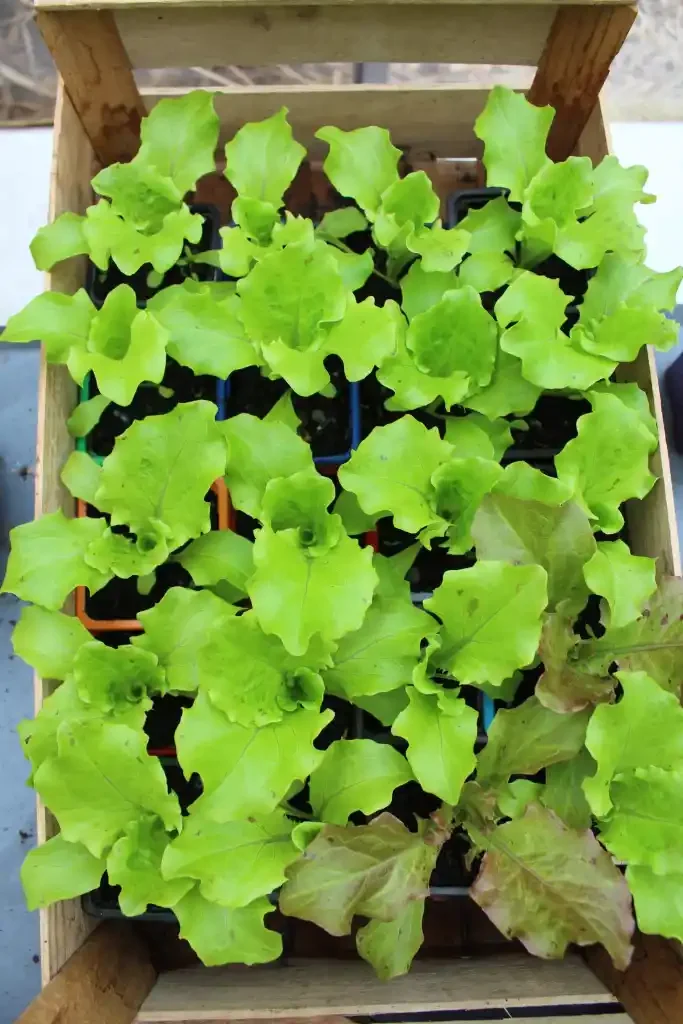
Transplant larger seedlings. Instead of planting young seedlings that are vulnerable to slug attacks, opt for more developed plants. This approach can reduce the likelihood of slugs consuming the entire plant before it has a chance to thrive.
-
Utilize brassicas as bait. Slugs are particularly fond of brassica family members such as mustard and Chinese cabbage. Planting these as sacrificial crops can help protect your more valuable plants.
-
Distract slugs with kitchen scraps. By placing organic matter and kitchen waste around your garden, you can lure slugs away from your vegetable plants. Dandelion leaves are especially effective; placing them near your crops can help you trap slugs underneath boards or other flat surfaces.
-
Consider removing mulch from certain areas. While mulch is beneficial, it can also create a hospitable environment for slugs. For early crops, removing mulch can expose the soil to warmer temperatures and deter slugs.
-
Protect seedlings with plastic bottles. This method can be time-consuming but is effective at safeguarding young plants.
Interventionist Methods for Slug Control
If alternative methods are not sufficient, you may need to resort to more direct interventions:
-
Nighttime patrols. Since slugs are nocturnal, checking your garden with a flashlight in the evening can help you identify and remove them manually.
-
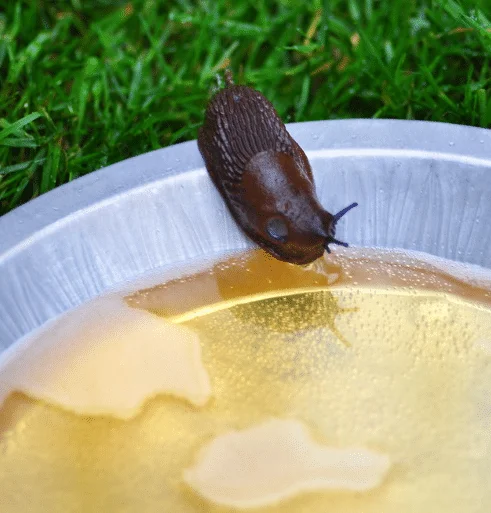
Set up traps. For example, a saucer filled with beer can attract slugs, allowing you to collect them. However, be aware that this method may also draw more slugs to your garden.
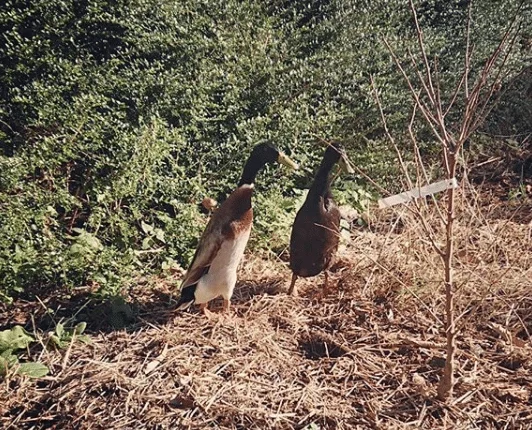
- Introduce ducks or chickens. Allowing poultry to forage in your garden can help control slug populations, but be cautious as they may also damage other plants. Their effectiveness can vary based on individual animal preferences.
-
Use ferramol. This iron-based slug bait is less harmful to other wildlife and can be effective if used sparingly around your plants. It's crucial to apply it judiciously to avoid overuse.
-
Employ nematodes. These microscopic worms target slugs specifically and can be a viable option for control.
-
Encourage the presence of glowworms. These insects feed on slugs and can help manage their populations naturally.
Further Reading
For those interested in a deeper understanding of slug management, our digital magazine features an issue dedicated to this topic, including insights from Sylvie La Spina, an agronomist specializing in slugs. Access this and all past issues by subscribing to our magazine.
Persistence is key in managing slugs. By creating ecological niches and accepting that some intervention may be necessary, you can cultivate a productive garden while still nurturing the surrounding ecosystem.