Seven Gardening Mistakes Landscape Professionals Avoid
Common gardening mistakes can lead to unhealthy gardens. Learn how landscape professionals avoid these pitfalls to create thriving outdoor spaces.
Gardening can be a fulfilling hobby, yet many enthusiasts unknowingly make common mistakes that can lead to a lackluster garden. From improper watering to neglecting soil preparation, these errors often result in a tired, unhealthy garden susceptible to diseases. Landscape professionals are well aware of these pitfalls and have developed strategies to avoid them. By learning from their expertise, amateur gardeners can significantly improve their gardening practices.
Watering at the Wrong Time: A Common Misstep
One of the most frequent errors is watering during the hottest part of the day. Many gardeners pull out their hoses or watering cans in the afternoon when the sun is blazing. This practice is ineffective, as water evaporates quickly before it can penetrate the soil. Moreover, droplets can act like magnifying glasses, scorching delicate leaves. Landscape professionals advise watering early in the morning or in the evening, which enhances water absorption and reduces plant stress. Recognizing the distinction between visual urgency (“the plant looks thirsty”) and biological timing is essential for a thriving garden.
Planting Without Considering Future Growth
In small spaces such as balconies or urban gardens, it’s tempting to plant closely together for an immediate lush effect. However, this leads to overcrowding, where plants compete for light and water, resulting in sparse patches and increased susceptibility to diseases. A professional gardener anticipates the mature size of each species, calculating spacing and heights to ensure a balanced growth environment over the years. This foresight creates a garden that appears to breathe, contrasting with the amateur’s focus on instant gratification.
Neglecting Soil Preparation
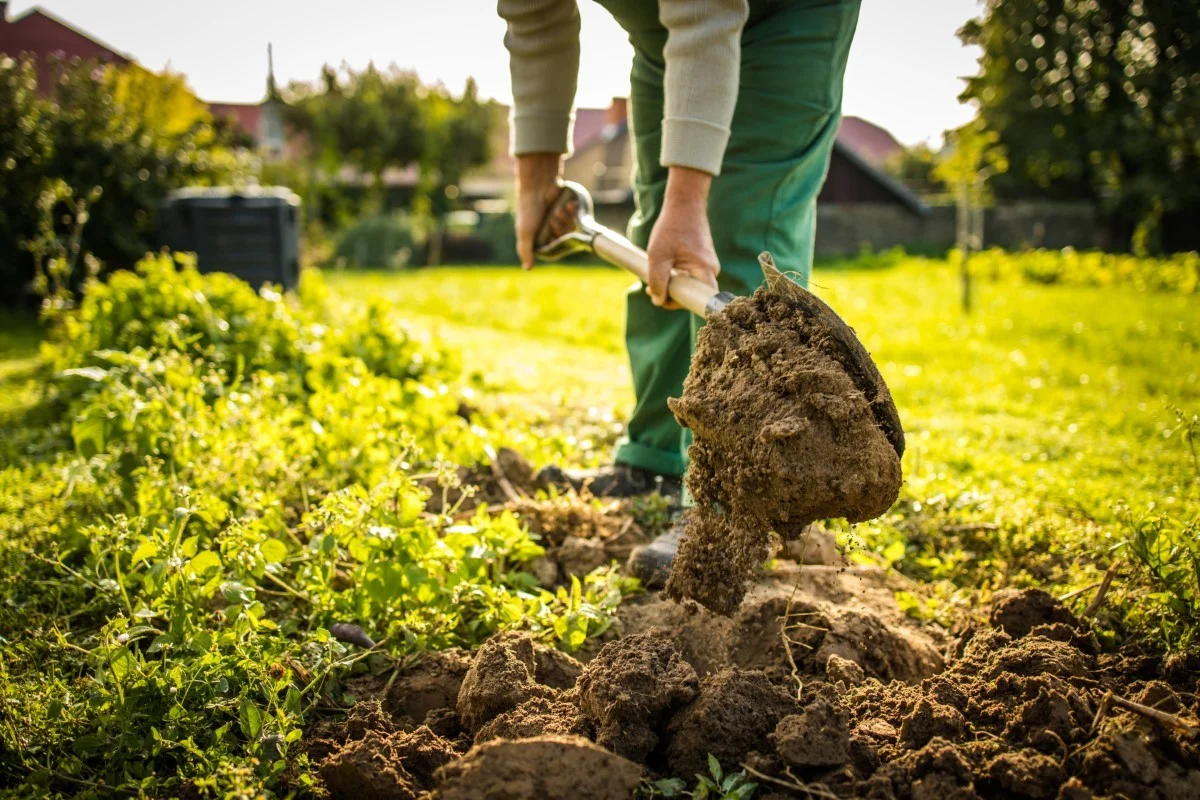
A common mistake among novice gardeners is rushing to plant without preparing the soil. This can lead to disastrous results, as poorly drained or compacted soil hinders plant establishment. Landscape professionals always start by assessing the soil, enriching it with compost or sand, and loosening it as needed. This foundational step is crucial for a successful garden, akin to building a house without a solid foundation. Unfortunately, many amateur gardeners overlook this essential process, which often results in unexplained plant losses.
Choosing Plants Based on Appearance Alone
Selecting plants solely for their looks can lead to misjudgments, such as placing a hydrangea in full Mediterranean sun or an olive tree on a northern-facing balcony. Not all plants thrive in every environment. Professionals understand the importance of factors like exposure, microclimates, and soil moisture, selecting species accordingly. Their gardens not only look beautiful but also maintain ecological harmony. In contrast, amateurs often accumulate plants based on fleeting whims, leading to gardens that struggle to thrive.
Mowing or Pruning at Inappropriate Times
Regular mowing and trimming might seem like a good practice, but doing so at the wrong times can be detrimental. Landscape professionals are attuned to the biological rhythms of plants. They understand that cutting grass too short in summer weakens it, and pruning at the wrong moment can hinder flowering. Adhering to a maintenance schedule that respects these cycles is critical for a healthy garden. Amateurs, often lacking a horticultural calendar, may act based on their availability rather than the plants’ needs, leading to noticeable differences over time.
Underestimating Pests and Diseases
Many amateur gardeners discover pest issues too late, whether it’s aphids on roses or slugs devouring young lettuce. In contrast, professionals are trained to recognize early warning signs, such as yellowing leaves or unusual odors, and take preventive measures. Techniques like mulching, crop rotation, and using companion plants are all strategies employed to minimize infestations. This proactive approach is akin to a family doctor in the garden: it’s better to prevent than to cure. Amateurs often miss these early alerts, focusing only on visible damage.
Overlooking Garden Design
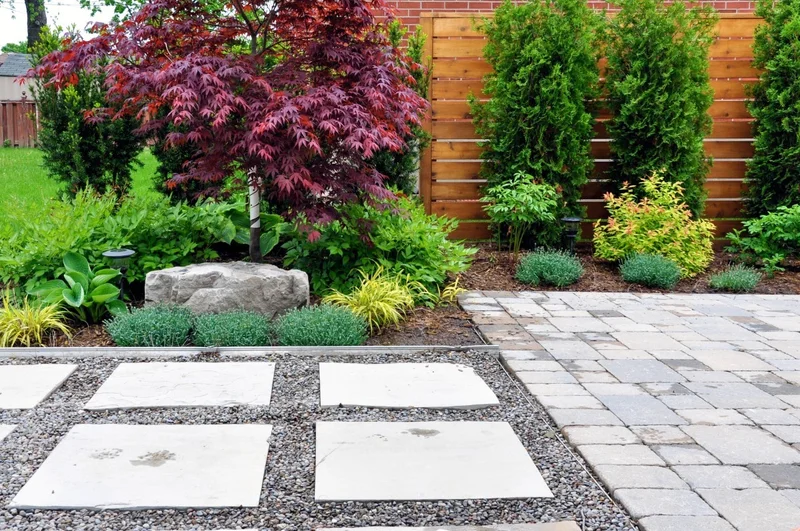
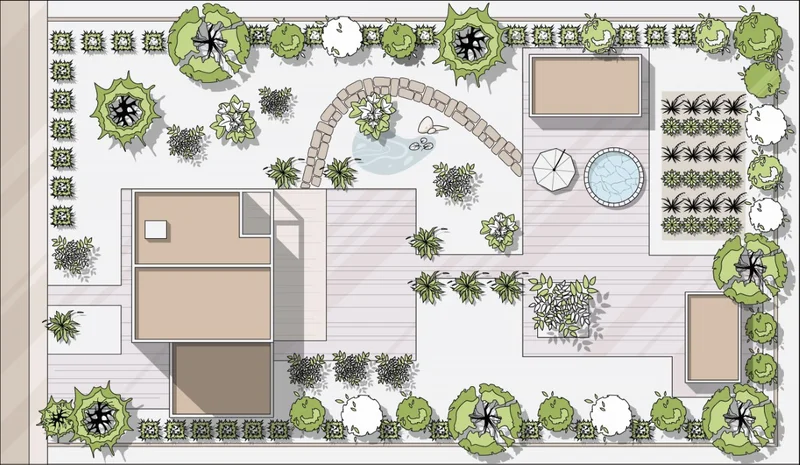
A garden should be more than just a collection of plants; it’s an environment that requires thoughtful design. Landscape professionals consider factors such as circulation, perspective, light, and focal points. They integrate furniture, pathways, and lighting to create a cohesive aesthetic. Conversely, amateurs often add elements haphazardly, resulting in a disorganized patchwork. This is what separates a garden that is beautiful by chance from one that is beautifully designed. The careful planning and invisible structure provided by professionals are what give a garden its signature appeal.
💡 Fun Fact: According to the French Federation of Landscape (FFP), a garden designed by a professional can increase a property’s value by 7 to 15%, depending on the quality and coherence of the outdoor spaces.
Mistakes vs. Professional Habits
| Common Mistake by Amateurs | Professional Habit | |----------------------------------|-----------------------------------| | Watering in full sun | Watering in the morning or evening| | Planting too closely | Planning for mature size and spacing| | Neglecting soil preparation | Analyzing, enriching, and draining soil before planting| | Choosing inappropriate plants | Selecting based on climate, exposure, and soil conditions| | Mowing/pruning at the wrong time | Respecting biological calendars | | Ignoring pests and diseases | Observing signals and taking preventive action| | Accumulating without cohesion | Creating a well-designed landscape |
The Professional's Eye Makes All the Difference
While amateur gardening has its own charm, frequent mistakes can lead to wasted time, money, and effort. Landscape professionals offer a holistic vision, combining invisible rigor with creative flair. Their practices help prevent failures before they arise, making a significant difference between merely decorating a space and crafting a cohesive environment. For those seeking a sustainable, vibrant garden, adopting these professional habits is a great first step. Ultimately, engaging a professional can be a wise investment in an outdoor space that remains beautiful and enjoyable season after season. In a world where nature is increasingly valued, knowing how to showcase it is not just a luxury; it’s a skill.