
Transforming the Exterior of Your New Home: Essential Gardening Tips
Explore essential tips for landscaping the exterior of your new home, from planning and material selection to vegetation care and outdoor lighting.
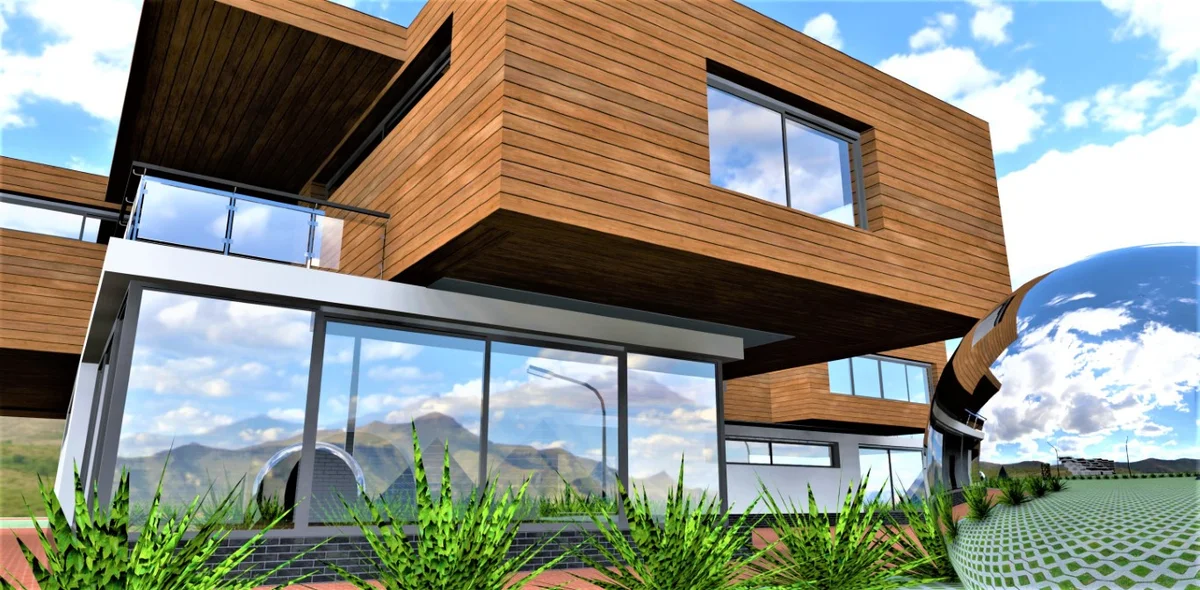
Creating a beautiful exterior for your new home involves much more than just aesthetics. It’s about crafting a welcoming, functional garden that enhances your living space. Here are some practical tips to help you establish a harmonious atmosphere around your property.
Designing a Comprehensive Plan
One of the most critical steps in constructing your new home is devising a comprehensive landscaping plan. Before planting any shrubs or purchasing garden furniture, it’s wise to consult with a landscaping expert. Online resources can also provide helpful insights, including websites dedicated to new home construction, where specialists are available 24/7 to address your questions.
Many homeowners rush into landscaping decisions without a cohesive vision, often leading to unsatisfactory results. Therefore, it’s essential to analyze the land first. This analysis should consider various factors that ensure your construction project’s success, including the shape of the plot, shaded areas, sun exposure, scenic views, and wind direction.
In this context, consider asking the following questions before you begin building:
- Will there be a terrace to enjoy the sun without excess heat?
- Is it necessary to create a pathway to the garage or gate?
- Will there be a future vegetable garden or a play area for children?
This reflective process should help you prioritize your needs: relaxation areas, dining spots, parking zones, ornamental gardens, etc. Sketching a rough layout can also enhance your final outcome.
Choosing the Right Materials
Selecting materials for your home's exterior is a decision that should not be taken lightly. If budget constraints are a concern, consider applying for a loan with favorable interest rates. This financial support can enable you to invest in materials that meet your requirements. Ideally, you should choose materials that are durable, visually appealing, and consistent with your home’s architectural style.
For instance, contemporary homes may benefit from sleek surfaces, polished concrete, or gabions, while traditional houses might find charm in natural stone, wood, or brick. Maintenance varies; untreated wood requires regular care, while composite materials or reconstituted stone demand less effort. Striking a balance between practicality and visual appeal is key.
Structuring Your Outdoor Space
Once you have your comprehensive plan in place, the next step is to define the functional areas of your outdoor space, starting with creating distinct zones based on their intended use. The welcoming area is the first impression of your home, so it’s crucial to enhance the pathway leading to the front door with harmonious materials like gravel, tiles, and pavers.
To boost aesthetics further, incorporate structured plants such as lavender or boxwood, which lend an orderly feel to your exterior. For financing this aspect of your project, consider a short-term loan, as bridge loans typically offer attractive rates.
Next, establish a living area, often represented by a terrace, which serves as an extension of the kitchen or living room for enjoying the sunset. The garden adds vibrancy and freshness.
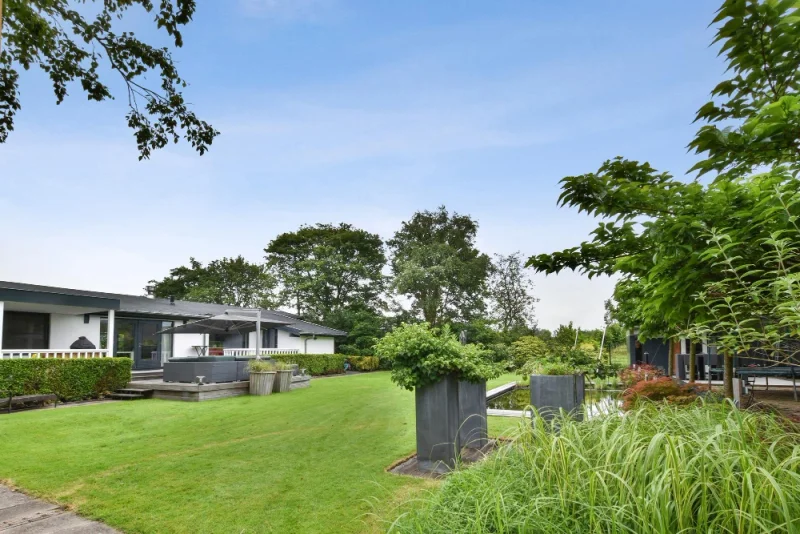
This space can feature a flower bed, an elevated vegetable garden, or a zen corner with pebbles and a fountain. Additionally, don’t forget to create a functional area for outdoor storage, such as a garden shed, waste storage, or a tool organization space. Even outdoor tools should be discreet yet easily accessible.
The Importance of Vegetation Care
To breathe life into your outdoor area, proper attention to vegetation is essential. Even a small garden can become a lush haven with the right plant selections.
First, adapt your plant choices to the local climate. It is futile to plant an olive tree in a humid area or a Japanese maple in full Mediterranean sun. Opt for local species that are more resilient and require less watering.
Second, consider colors and sizes. Combining trees, shrubs, and low plants can create depth in your garden. Varying bloom times throughout the seasons will keep your exterior vibrant.
Third, never overlook the maintenance of your plants. If time is limited, consider a minimalist garden with evergreen plants like laurel, photinia, and non-invasive bamboo. Implementing ground cover can help suppress weeds. Additionally, hedges can serve as natural privacy screens, providing both intimacy and beauty.
Embracing Warm Outdoor Lighting
Lighting can dramatically alter the ambiance of your outdoor space. It highlights your landscaping and allows you to enjoy summer evenings longer. To achieve this, install recessed lights to illuminate pathways effectively.
Solar-powered lamps can offer an eco-friendly lighting solution. For terrace decoration, string lights are a charming addition. However, ensure that outdoor lighting is subtle, soft, and strategically placed to enhance safety while creating a welcoming atmosphere.
Conclusion
Landscaping the exterior of a new home goes beyond merely planting trees or laying down a terrace; it’s about creating a space that reflects your personality, where nature and comfort coexist. By carefully planning each area, selecting appropriate materials, and harmonizing your plant choices, you can transform an empty plot into a vibrant, beautiful, and sustainable environment.