Freezing Mushrooms: Preserving Flavor, Texture, and Quality
Learn how to freeze mushrooms effectively to preserve their flavor and quality. Follow these steps for proper preparation and storage.
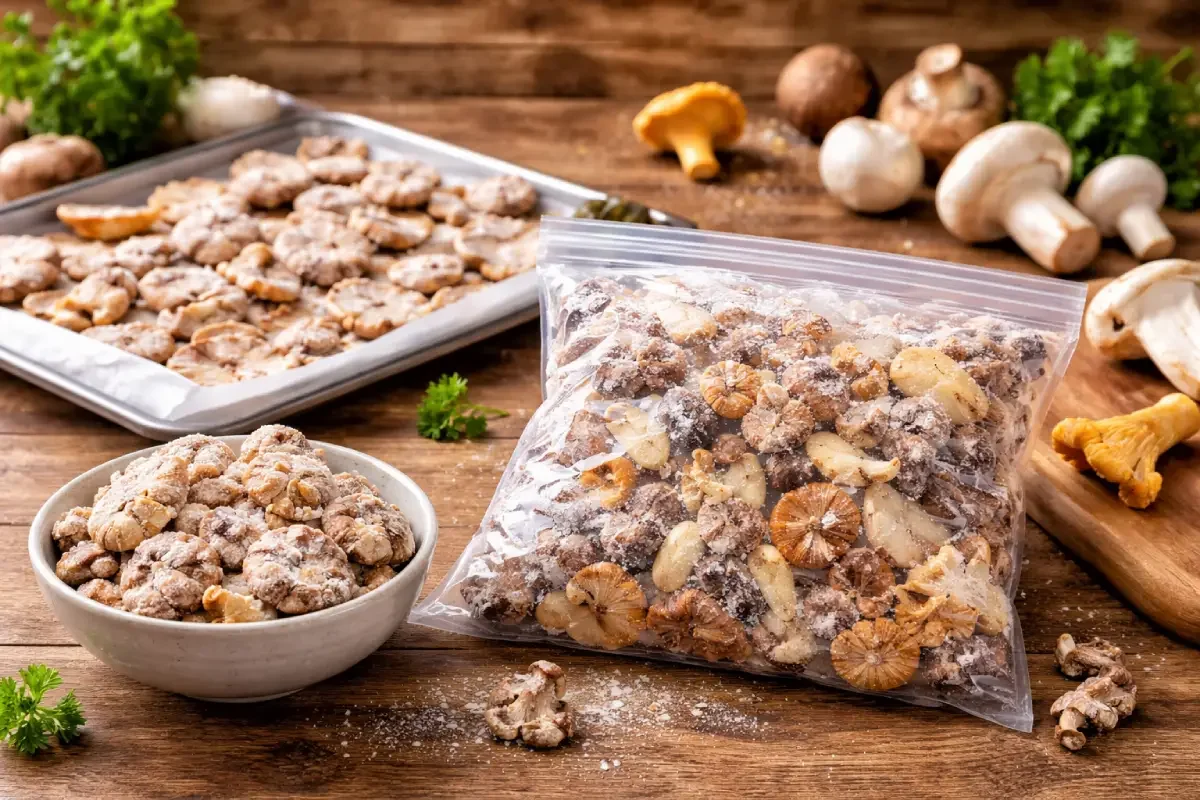
Freezing mushrooms is an excellent way to preserve them when you've purchased or foraged too many. However, to ensure they taste great after thawing, there are several important steps to follow.
Mushrooms are not only delicious but also quite delicate. Fresh varieties such as champignons, porcini, king oyster mushrooms, and chanterelles do not have a long shelf life in the refrigerator. Therefore, if you've bought a surplus or gathered a bounty during a forest outing, it's best to process or freeze them quickly. This method allows you to store various types of mushrooms for future use.
To retain the mushrooms' flavor, it's essential to adhere to specific guidelines when freezing them. Below, I'll explain the important steps and how to prepare mushrooms properly for freezing.
Why Freezing Mushrooms Makes Sense
- Fresh mushrooms spoil relatively quickly, especially if they accumulate moisture in their packaging. Instead of discarding them after just a few days, freezing can help preserve them for whenever you might want to enjoy them.
- Freezing also saves you several steps in meal preparation. This can be a significant advantage on busy days when you need a quick meal.
- Wild mushrooms like porcini or bay bolete are not always available at peak quality. Therefore, freezing some of your harvest can be worthwhile.
- Additionally, buying mushrooms in bulk or on sale can save you money. To avoid waste from price advantages, freezing is the best option to extend their shelf life.
Step-by-Step Guide to Freezing Mushrooms
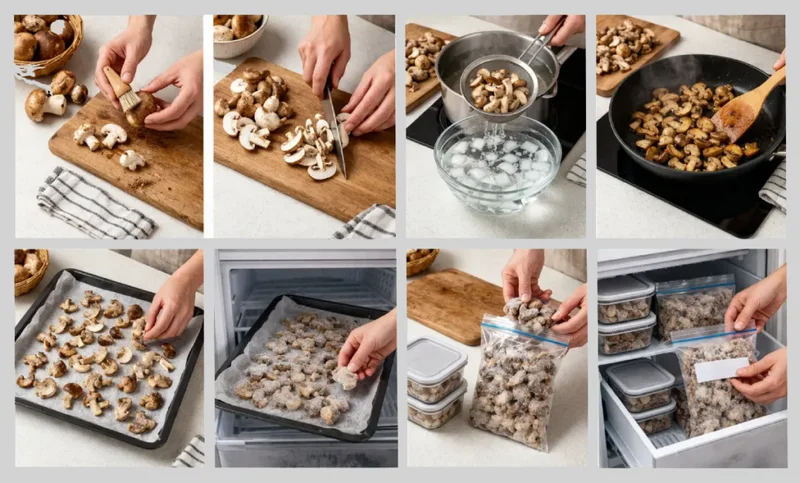
🍄🟫 Step 1 – Check the Quality of the Mushrooms
The condition of the mushrooms is crucial when it comes to freezing. Always freeze only fresh mushrooms that have a firm texture and a neutral smell. Mushrooms that are soft, have bruises, or are slimy should be discarded.
🍄🟫 Step 2 – Clean the Mushrooms Thoroughly
Mushrooms tend to absorb water like a sponge. Therefore, it’s best to clean them with a brush, paper towel, or a slightly damp cloth. This method removes dirt, needles, and other residues without making the mushrooms overly wet.
If the mushrooms are heavily soiled, you can rinse them briefly under running water. However, they must be dried thoroughly afterward.
🍄🟫 Step 3 – Trim Bad Spots and Cut the Mushrooms
Before freezing, cut off the stem ends and remove any damaged areas. You can then slice the mushrooms into your desired shapes, such as slices or chunks. Larger mushrooms can also be diced easily.
🍄🟫 Step 4 – Freeze Mushrooms Raw or Blanched
Many cultivated mushrooms, like champignons or king oyster mushrooms, can be frozen raw. For wild mushrooms, a brief blanching or sautéing is often the better option. To blanch, simply place the mushrooms in boiling water for about 1 to 2 minutes. Afterward, transfer them immediately to ice water to stop the cooking process. They must then be drained well and dried completely.
Sautéing is even more effective for many varieties. Heat the mushrooms in a hot pan for a few minutes until some of their moisture evaporates. After cooling, they can be frozen directly.
🍄🟫 Step 5 – Pre-Freeze Mushrooms Individually
To prevent the mushrooms from forming a solid block, it’s best to pre-freeze them individually. Arrange the mushrooms loosely on a baking sheet lined with parchment paper. Place them in the freezer for several hours. This method ensures that the mushrooms do not stick together, allowing you to take out only the amounts you need later.
🍄🟫 Step 6 – Transfer to Suitable Containers or Bags
Once the mushrooms are pre-frozen, you can transfer them to freezer bags or airtight containers. It’s important to remove as much air as possible from the containers. Less air reduces freezer burn and helps protect the flavor and texture.
Don’t forget to label the containers with the contents and the date to avoid any confusion later.
How Long Are Frozen Mushrooms Good For?
At a consistent storage temperature of -18 °C, frozen mushrooms typically last about 6 to 12 months. It’s important to note that raw frozen mushrooms may lose quality slightly faster than those that have been briefly blanched or sautéed.