Planting, Caring For, and Propagating Strawberries
Spring and late July to early August are ideal for planting strawberries. With the right techniques, fruits can be harvested from May to September. Discover how to cultivate these delicious berries.
Spring and the period from late July to early August mark the ideal times for planting strawberries. With the right techniques, these sweet fruits can be harvested from May to September. Here’s how to achieve a bountiful harvest.
The delightful aroma and flavor of fresh strawberries are universally recognized. Botanically, the strawberry (Fragaria) is more complex than its name suggests. It belongs to the rose family, making it more closely related to apples, cherries, and quinces than to true berries. What we enjoy as the juicy fruit is actually a thickened flower base, with the tiny yellow specks being the real fruits. Let’s dive into the planting process, which can be successfully done in garden beds or containers for balconies and terraces.
Overview
Strawberries come in a variety of types, each differing in flowering time, fruiting behavior, and growth form. The most common varieties include June-bearing, everbearing, day-neutral, and Frigo strawberries.
Strawberries (Fragaria)
- Flowering Time: May to June (varies by variety)
- Height: 20 – 30 cm
- Width: 25 – 35 cm
- Root System: Shallow roots with a fine structure
- Location: Sunny, well-ventilated
- Soil: Loose, humus-rich, slightly acidic to neutral
Location
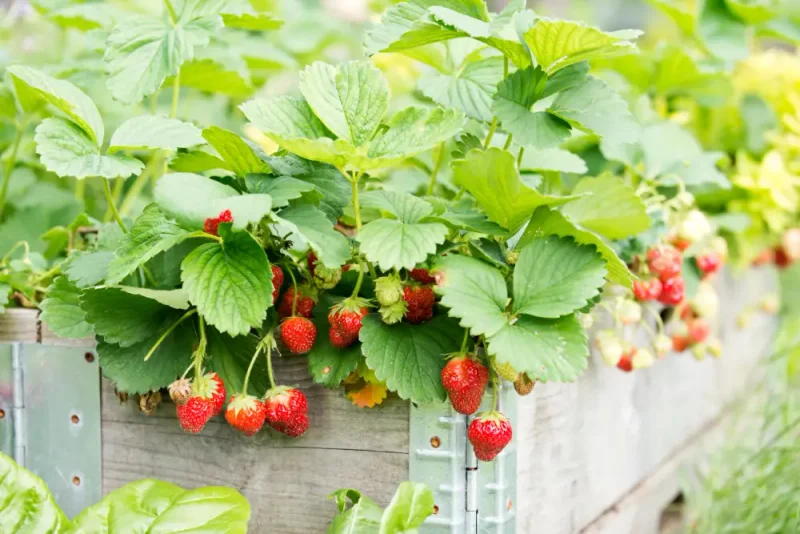
Strawberries thrive in sunny spots, as ample sunlight enhances flower, fruit development, and flavor. An open, sunny location in a garden bed, raised bed, or container is ideal. Additionally, a well-ventilated area helps leaves and fruits dry quickly after rain or watering, reducing the risk of fungal diseases.
Soil
These plants flourish in loose, humus-rich garden soil that drains well. Standing water is detrimental to strawberries. A slightly acidic soil with a pH between 5.5 and 6.5 supports nutrient uptake effectively.
💡 Tip: If water tends to pool in the garden after rain, consider improving the soil or planting strawberries on small mounds.
Planting Time
The optimal planting period for June-bearing garden strawberries is from late July to early August. This timing allows young plants to establish strong roots before autumn and even develop flower buds for the following year. Planting at this time sets the stage for a richer harvest the next summer.
Potted strawberry plants can also be planted in spring. Since they come with a root ball, they usually establish well. However, the yield in the first year may be smaller depending on the variety, planting time, and care. Frigo plants, which are cooled young plants, can also be planted in spring and may produce fruit in the same year under optimal conditions.
Monthly strawberries and everbearing varieties, also known as remontant strawberries, can be successfully planted in spring as well. These varieties yield fruit over an extended period but in smaller quantities compared to June-bearing strawberries.
Crop Rotation
Crop rotation is essential when planting strawberries, as they should not occupy the same spot for multiple years. For the first crop, choose beds previously planted with lettuce, radishes, or spinach, as these leave the soil in a suitable condition for strawberries. Avoid planting strawberries in areas where potatoes, tomatoes, or cabbage have been grown previously.
Once planted, strawberries yield the best harvests during their second and third years. After that, yields will gradually decline. By the fourth year, it’s time to establish a new bed with fresh plants. The old bed should rest for four to five years to minimize the risk of soil fatigue, root diseases, and pests like nematodes.
Planting Instructions
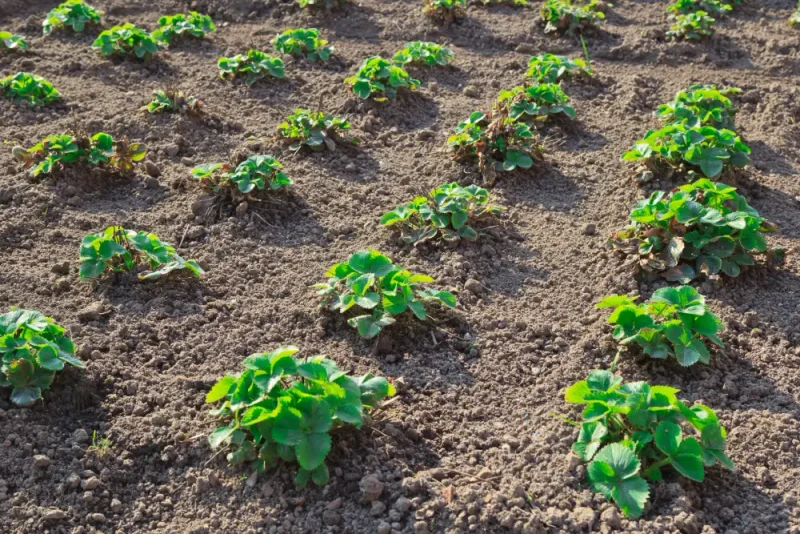
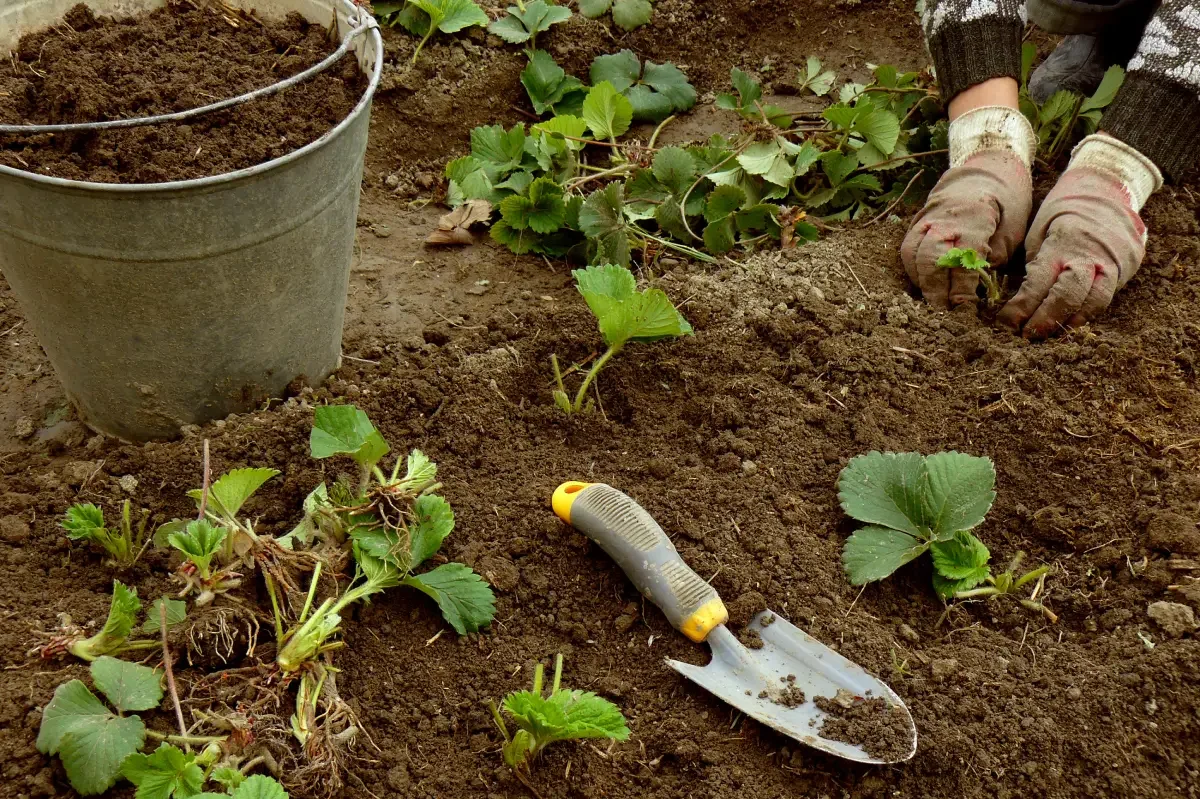
Step 1: Prepare the Bed Loosen the soil deeply and remove weeds, stones, and old root remnants. Then, incorporate mature compost (3 liters per m²) into the soil to enrich it, aiding the young plants in establishing. Fresh manure is unsuitable as it can be too harsh and may hinder root growth.
💡 Tip: If the soil is very compact or remains wet after rain, consider creating small planting mounds. Use a hoe or spade to form 15 to 20 cm high and 30 to 40 cm wide earth mounds along the planting row. Place the strawberry plants on top of these mounds to elevate the roots, allowing excess water to drain away and preventing waterlogging.
Step 2: Mark Planting Distance Strawberries should be planted with a spacing of about 25 to 35 cm apart in rows. Between rows, maintain a distance of 40 to 80 cm, depending on the bed size. For container or balcony planting, closer spacing is acceptable, but ensure they do not overcrowd each other.
Step 3: Water Young Plants Soak potted strawberry plants before planting, ensuring the root ball is thoroughly moist. Bare-root plants can be briefly submerged in water before planting to prevent their delicate roots from drying out.
Step 4: Dig Planting Holes The holes should be deep enough for the roots to spread downward without bending or being forced upward. For potted strawberries, make the hole slightly larger than the root ball.
Step 5: Insert the Strawberry Plant Place the strawberry plant in the hole so that the roots are covered with soil. The crown, from which new leaves will emerge, should remain just above the soil surface. If planted too deep, the crown may rot, leading to plant death.
Step 6: Firm the Soil and Water Gently firm the soil around the plant to ensure the roots are in contact with the soil. The soil should hold the strawberry securely without compacting it. Follow up with thorough watering to eliminate air pockets and help the roots establish.
Caring for Strawberries
Once the strawberries are planted, the primary effort shifts to their care, which will determine their growth vigor and the abundance of the harvest.
Mulching
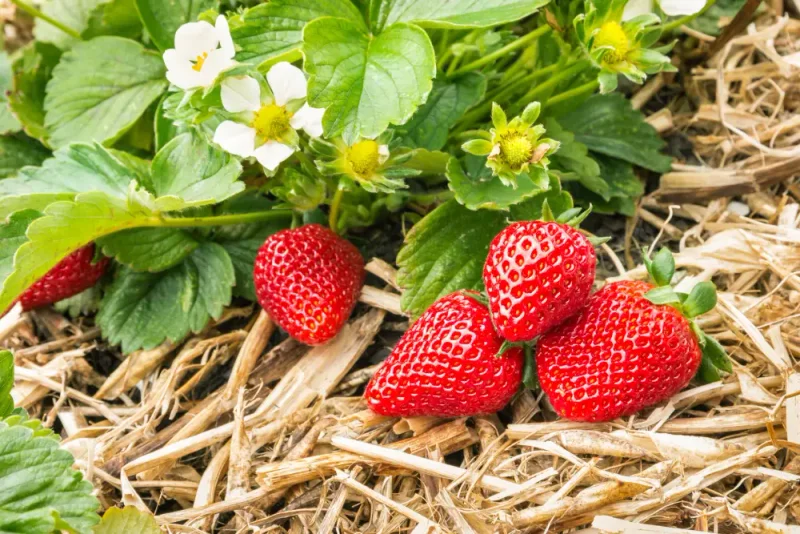
Weeding can be a tedious task, but a thin layer of dried grass clippings around the plants can protect the soil from drying out and suppress weeds. Distribute the clippings sparingly to prevent rotting or mold. If weeds manage to sprout, remove them regularly.
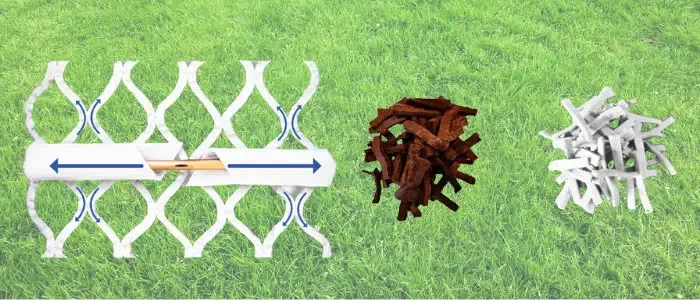
When the first flowers appear, remove the grass clippings and replace them with straw or wood wool. A loose layer of about 3 to 5 cm is sufficient in the bed to keep strawberries off wet ground, ensuring clean fruit and reducing the risk of rot and fungal diseases like gray mold. While straw does not deter snails, it makes reaching the fruits more challenging for them.
💡 Tip: After the strawberry harvest, remove the straw to prevent providing a breeding ground for pathogens. Learn more about suitable mulching materials for strawberry beds in autumn and winter.
Watering
Adequate water is essential for fruit development throughout the season. However, avoid waterlogging, as it can harm the roots and lead to rot. Watering in the morning and at the soil level is best, allowing leaves to dry quickly and minimizing the risk of fungal diseases.
Fertilizing
If the soil was prepared with mature compost before planting, this initial nourishment will suffice for a while. This process can be repeated each spring. For summer plantings in July or August, a small addition of horn meal (about 30 to 45 g per m²) can enhance nutrient supply, as strawberries will begin forming flower buds for the following year.
Pruning and Removing Runners
After harvest, June-bearing strawberries should have their old, sick, spotted, or heavily soiled leaves cut back to the ground. In contrast, monthly and everbearing strawberries should be pruned throughout the season, keeping the robust green leaves intact to continue nourishing the plants. Be careful to leave the plant's crown intact, as this is where new leaves will emerge in the fall. Dispose of diseased cuttings in the household waste.
In addition to leaves, runners that the strawberry plant uses for propagation should also be trimmed. These runners drain energy from the mother plant that could otherwise go into fruit production. To maximize next year's harvest, cut the long shoots at the base of the mother plant.
Wintering
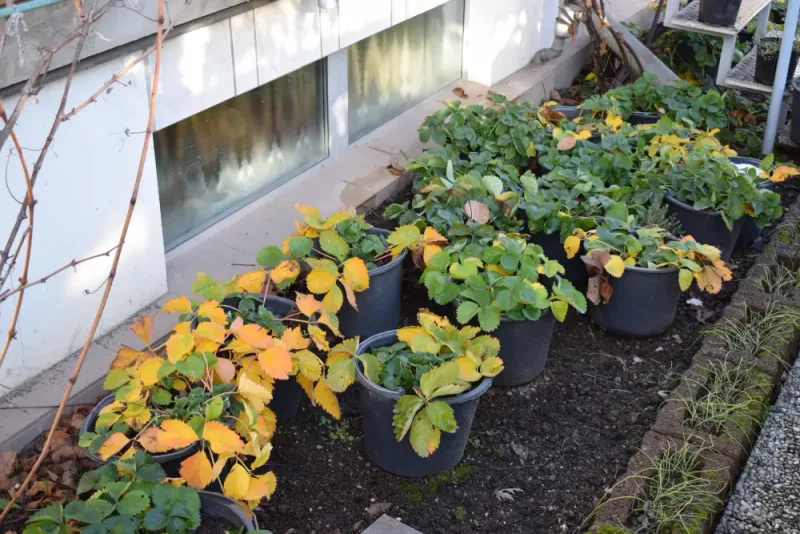
Strawberry plants in the open are hardy and can withstand temperatures below freezing without protection. However, extremely harsh winters can lead to frost damage, resulting in weak growth, brown leaves, and even plant losses in spring. Starting in late autumn (November), a loose layer of straw, leaves, or twigs can protect strawberries from severe frost and the drying effects of winter sun without suffocating them.
💡 Reading Tip: Wintering Strawberries in Containers For container plants, it is best to position pots in a sheltered location, such as against a wall, to minimize frost damage.