The Benefits of Shea Butter: Nature's Best Skin Repair Treatment
Explore the benefits of shea butter, a natural remedy for skin and hair, its origins, effective uses, and tips for identifying quality products.
The Benefits of Shea Butter: Nature's Best Skin Repair Treatment
July 11, 2026
Shea butter has established itself as a staple in beauty routines, recognized for its nourishing properties that benefit the skin, hair, and even culinary applications. Derived from the Vitellaria paradoxa tree, this plant extract merges traditional African practices with modern cosmetic and food uses. Its esteemed reputation stems from its recognized healing and restorative qualities, making it a valuable resource that also faces conservation challenges.
What is Shea Butter and Where Does It Grow?
Shea butter originates from a robust tree native to the savannas of West Africa, commonly referred to as the shea tree. This tree can reach heights of around ten meters and produces fleshy fruits containing lipid-rich nuts. Due to increasing pressure on wild populations, the shea tree has become vulnerable, appearing on various conservation lists.
The primary countries known for shea production include Burkina Faso, Ghana, Mali, and Nigeria, where harvesting and extraction techniques largely remain artisanal, contributing to local economies.
What Components Contribute to Shea Butter's Effectiveness?
Shea butter is primarily composed of saturated and unsaturated fatty acids, terpenic alcohols, vitamins, and unsaponifiables. These components provide it with emollient and antioxidant properties beneficial in cosmetics.
The presence of vitamins A, D, E, and F, along with unsaponifiables, endows shea butter with protective and restorative properties. The table below summarizes the key elements and their roles for skin and hair.
Component | Approximate Proportion | Main Effect --- | --- | --- Oleic Acid | ~40% | Hydration and absorption Stearic Acid | ~35% | Solid texture and emollience Linoleic Acid | ~10% | Repairs skin barrier Vitamins A, E | Trace amounts | Antioxidant and regenerative Unsaponifiables | 1–10% | Anti-inflammatory and healing action
How to Use Shea Butter for Skin and Hair
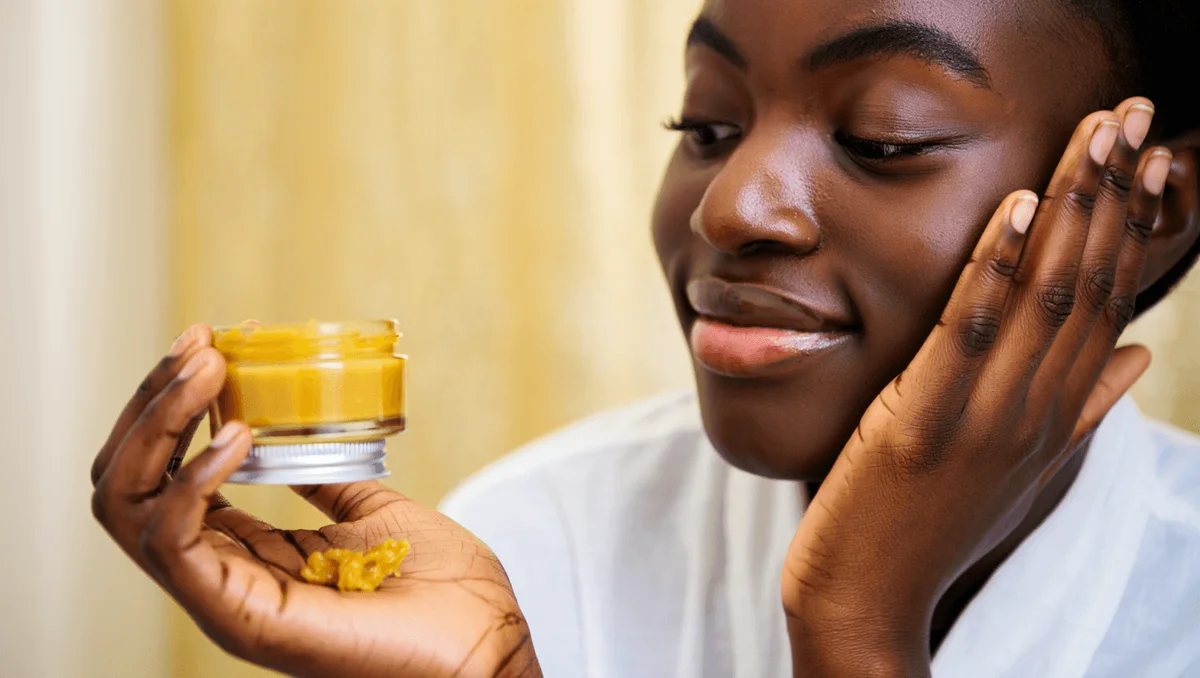
Shea butter is available in various textures and application forms. It can be used in its pure form, warmed in the hands, or as part of balms enriched with essential oils.
For dry skin, a localized massage with a small amount provides immediate nourishment and comfort. In cases of irritation, its richness in unsaponifiables aids in soothing and repairing skin tissues.
For brittle hair, applying a mask on the lengths and allowing it to act for an hour before washing can restore shine. Regular treatment may lead to gradual improvement in hair elasticity.
- Pure Application: Warm a small amount between palms and massage in.
- In Mixtures: Add a few drops of vegetable oil for a more fluid texture.
- For Body Massage: Use as a base and complement with suitable essential oils.
Can Shea Butter Be Consumed and How Is It Used in Industry?
In several regions of West Africa, shea butter is utilized in cooking as a local fat. Its neutral flavor makes it suitable for both traditional dishes and light frying.
Industrially, it is sometimes partially substituted for cocoa butter in various formulations or classified more broadly as a vegetable fat. Food uses require specific quality controls to ensure safety.
How to Identify and Store Quality Shea Butter
Quality artisanal shea butter typically ranges in color from off-white to pale yellow and may emit a light vegetal scent. Refined versions can lose some of their unsaponifiables, reducing effectiveness.
Opting for products labeled as organic or fair trade supports sustainable and transparent practices. Check the labels for information and prioritize closed containers without synthetic additives.
For storage, keeping a jar away from heat and light can preserve its qualities for several months. A cool, dark area is preferable to a shelf exposed to sunlight.