Eliminating Green Deposits on Roofs, Walls, and Terraces: A Comprehensive Guide
In damp winters, moss can cover roofs, making surfaces slippery and prone to damage. This guide explores how to identify and treat green deposits on various surfaces effectively.
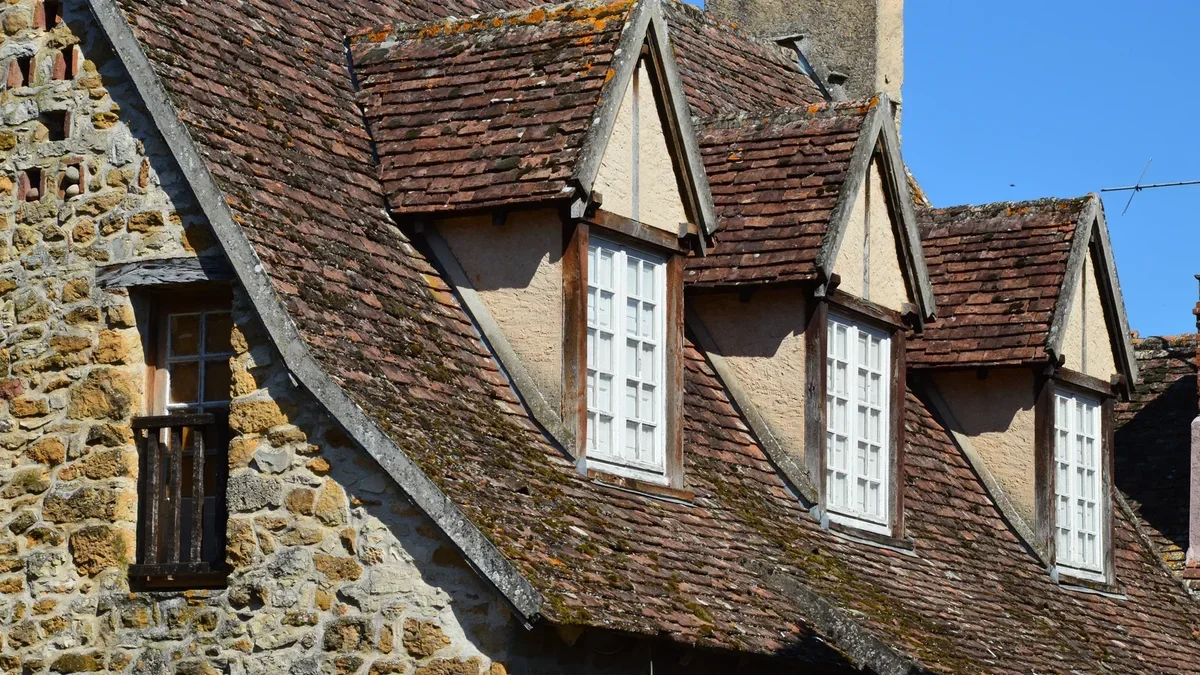
Over just two to three damp winters, moss can completely cover a roof. On a wooden terrace, this green film can turn the first rain into a slippery hazard. Meanwhile, on a north-facing wall, stains can become entrenched in areas where sunlight rarely reaches. These green deposits are not merely cosmetic concerns; they trap moisture, weaken materials, and can quickly return if the wrong treatment is applied. The first step in addressing the issue is to accurately identify what is growing on your surfaces.
Moss, Algae, or Lichen: Three Intruders That Require Different Treatments
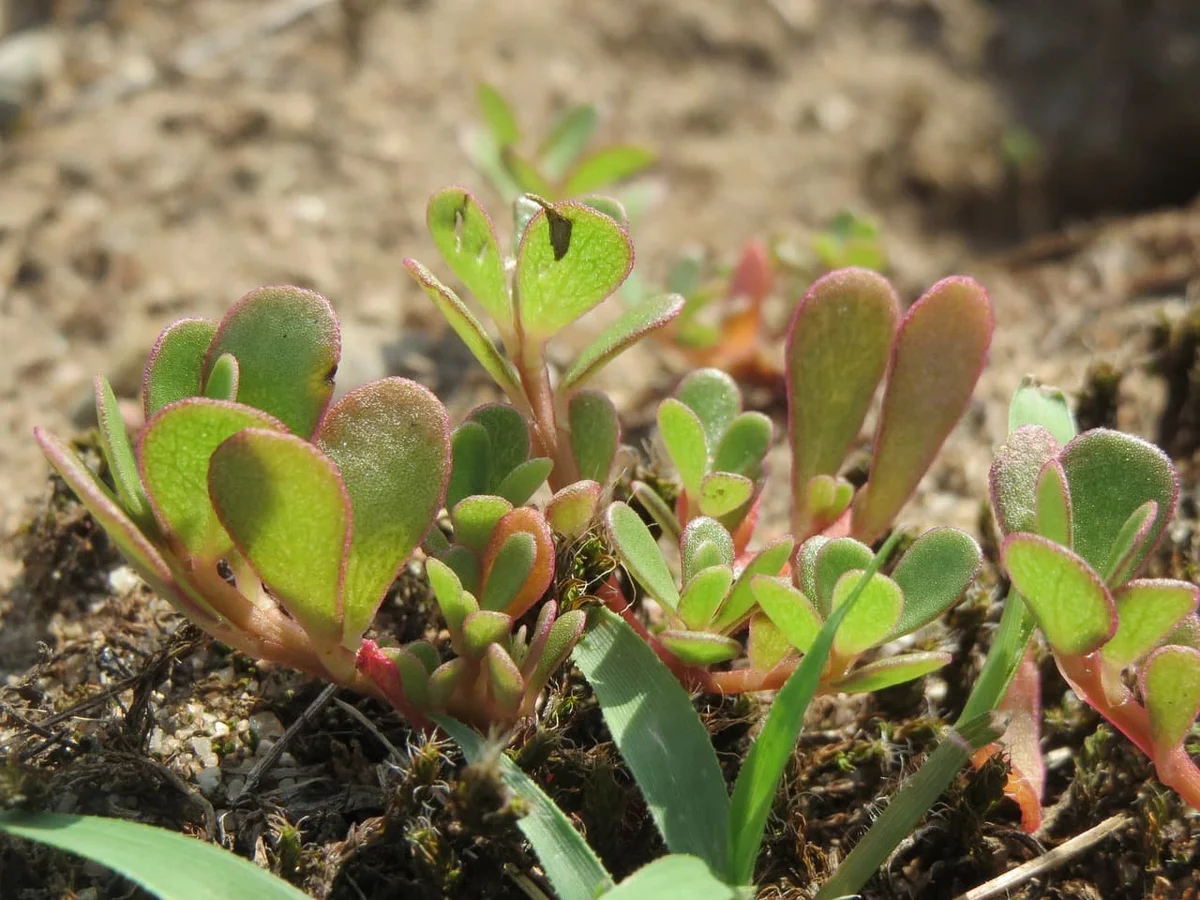
The term green deposits encompasses three distinct categories: moss, algae, and lichen. Moss forms a thick mat that acts like a sponge, retaining moisture against the material. Algae create a slippery film, particularly in areas where water collects or flows. Lichen, on the other hand, anchors itself in the pores of the surface and resists simple brushing, making it the most persistent of the three.
A common misconception is to mistake dark stains for algae. These black deposits are actually caused by fungi and mold, and a typical anti-moss treatment will not eliminate them. On a roof, this misunderstanding can be significant; effective moss removal must also address lichen and algae, not just the visible moss. A product that targets only moss leaves the majority of the problem unaddressed.
Why Do Some Surfaces Turn Green Twice as Fast as Others?
Three conditions contribute to rapid colonization: moisture, shade, and a porous material. A north-facing wall, a terrace shaded by trees, or a roof in a rainy area often have all three factors, leading to quicker growth than surfaces exposed to full sunlight.
The type of material is equally important. Terracotta tiles, plaster, or untreated wood absorb water and provide an ideal breeding ground, while natural slate, which is less porous, holds up better. Without maintenance, a porous roof can become completely covered in just two to three years. Trimming overhanging branches and clearing leaves from gutters can significantly slow down the growth, at minimal cost.
Roof, Wall, Terrace: The Right Method for Each Surface
On the Terrace: Gentle First, Powerful Later
For light discoloration, diluted white vinegar (1 part vinegar to 8 parts water) is sufficient for wood. Allow it to act for 10 to 15 minutes, brush along the grain, and rinse. For concrete slabs or stone, a 50-50 mixture is more effective. Baking soda, at 4 tablespoons per liter of warm water, can tackle ingrained stains without scratching the surface.
When dealing with thicker layers, washing soda (1 cup per liter) works more aggressively than baking soda, but should only be used on robust surfaces. Black soap is gentler and suitable for delicate wood, helping to limit regrowth. Safety is a key consideration; an exotic wooden terrace can become dangerously slippery under algae, highlighting the importance of acting before the rainy season.
On the Walls: Spray and Let It Work
Walls require a different approach than floors. An acid-free anti-green deposit solution should be sprayed directly onto the plaster or facade. The vegetation will brown within ten days, suffocate, and then detach naturally during rainfall. Scrubbing a vertical surface is ineffective and may damage the finish.
On the Roof: Safety First
Roofs pose significant risks, both for the tiles and for anyone working on them. Hiring a professional roofer minimizes the risk of falls and incorrect dosages. A basic moss removal service costs between €10 and €30 per square meter, totaling around €750 for 100 square meters of tiles. For a comprehensive treatment, expect to pay between €15 and €45 per square meter. DIY efforts can require nearly €200 for products and over €1,000 for equipment, not to mention two days of labor.
Bleach and High Pressure: Two Costly Mistakes
While bleach can yield dramatic results in a few hours, it can ultimately backfire. It opens the pores of the material, accelerating the return of green deposits and damaging rainwater collection systems. The immediate visual improvement masks a real degradation of the material.
The high-pressure washer is another common pitfall. Tile manufacturers advise against its use; a too-powerful jet can strip the surface layer, making the tile porous and leading to cracks and leaks. On soft wood, it can gouge the fibers. If necessary for concrete, maintain a distance of 30 to 40 cm and reduce the pressure. Renting such a machine costs between €30 and €50 per day, a quickly wasted expense if it damages the surface.
Preventing Recurrence: The Hydrophobic Treatment and Three Key Actions
A simple anti-moss treatment lasts between 6 to 12 months. In contrast, a hydrophobic treatment applied after cleaning provides much longer-lasting protection: it waterproofs the surface and delays the return of vegetation for 5 to 10 years. Water beads off and carries away dirt instead of stagnating.
Three additional actions enhance this effect. Ensuring a slight slope and proper drainage on the terrace prevents water pooling. Airing out and clearing shaded areas reduces ambient humidity. Timing is also crucial: spring and late autumn, following several dry days, guarantee that the product dries before rain. Treating in damp conditions is a waste of the treatment.
Key Takeaways
- Moss, algae, and lichen require a product that targets all three, not just the visible layer.
- Bleach and high-pressure washing damage surfaces and hasten the return of green deposits.
- For terraces, diluted vinegar and baking soda suffice for light discoloration.
- Roof moss removal costs €10 to €30 per square meter for basic service, up to €45 with full treatment.
- Hydrophobic treatments protect for 5 to 10 years, compared to 6 to 12 months for anti-moss alone.
Frequently Asked Questions
Is it really necessary to remove moss from the roof?
Yes, and it should not be delayed. Moss retains water against the tiles. When temperatures drop, the trapped moisture can cause the material to crack, leading to leaks. A roof left untreated for two or three years may require much more costly repairs than a preventative moss removal.
How much does professional roof moss removal cost?
For a healthy roof, expect to pay €10 to €30 per square meter for basic moss removal, or around €750 for 100 square meters. With antifungal and hydrophobic treatments, prices range from €15 to €45 per square meter. Be wary of hourly rate estimates; the job often takes two days, allowing for drying time between applications.
Does white vinegar damage a wooden terrace?
Not if it is diluted. A mixture of 1 part vinegar to 8 parts water is effective against light moss while being gentle on the wood. Rinsing with clear water is essential to neutralize the acidity; otherwise, the surface may dull over time.
Conclusion
Treating a roof, wall, and terrace is not a one-size-fits-all approach, yet a common logic connects them: identify the correct organism, select the mildest effective product, and then protect the surface to extend its life. The true benefit lies not in dramatic cleaning but in hydrophobic treatments and simple actions that prevent green deposits from returning. Taking action in spring, during dry weather, remains the best strategy for gaining a head start.