Why Are My Zucchini Turning Yellow and Rotting?
Learn why your zucchini are turning yellow and rotting, and discover effective solutions for a healthy harvest.
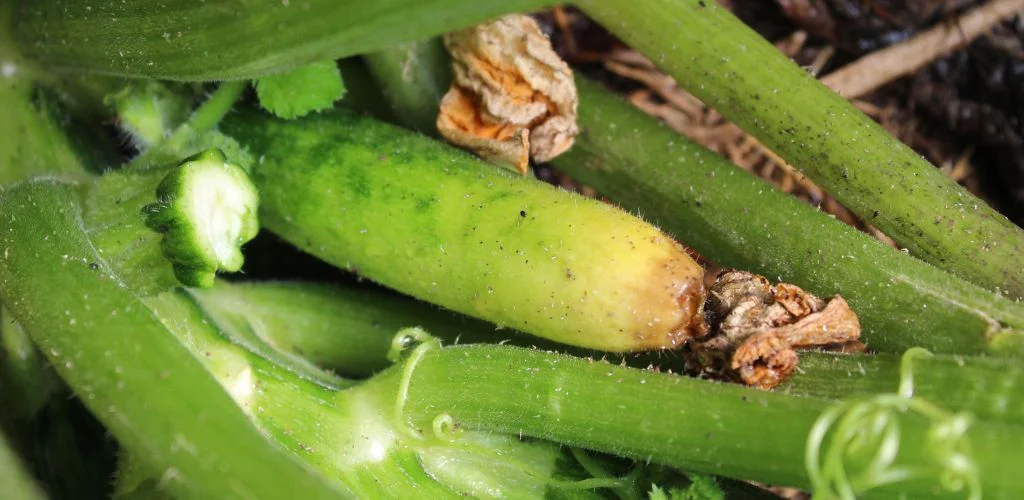
Cultivating your own vegetables can be a rewarding experience, but it's not without its challenges, especially when it comes to zucchini. If you've noticed your zucchinis turning yellow and rotting, you're not alone. Understanding the underlying causes can help you take the right steps to ensure a healthy harvest.
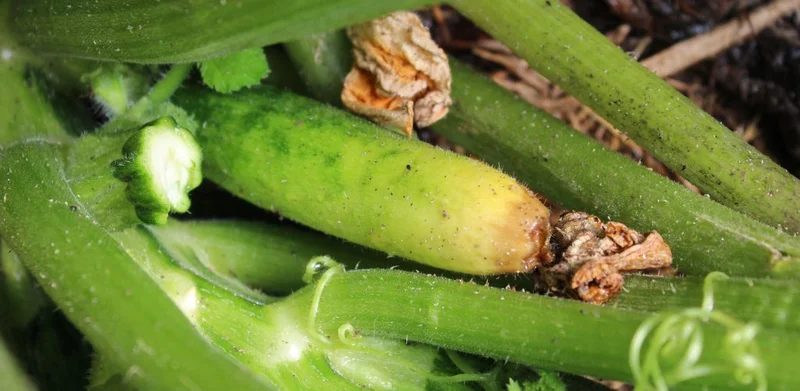
Identifying the Causes of Zucchini Issues
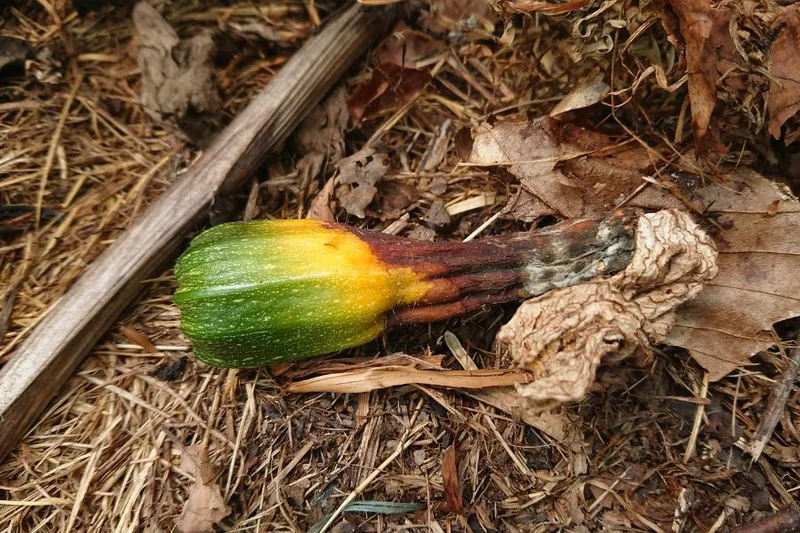
Zucchini plants can face multiple issues that lead to fruit abortion, yellowing, and rot. Recognizing these problems is the first step toward effective solutions.
Plant Maturity Matters
One common reason for zucchini fruit to abort is the maturity of the plant. If the zucchini plant is still young and small, it may not have enough energy to support fruit development. The plant prioritizes root establishment and leaf growth before fruiting, leading to premature abortion of the first zucchinis. This is often when you’ll see yellowing and rotting.
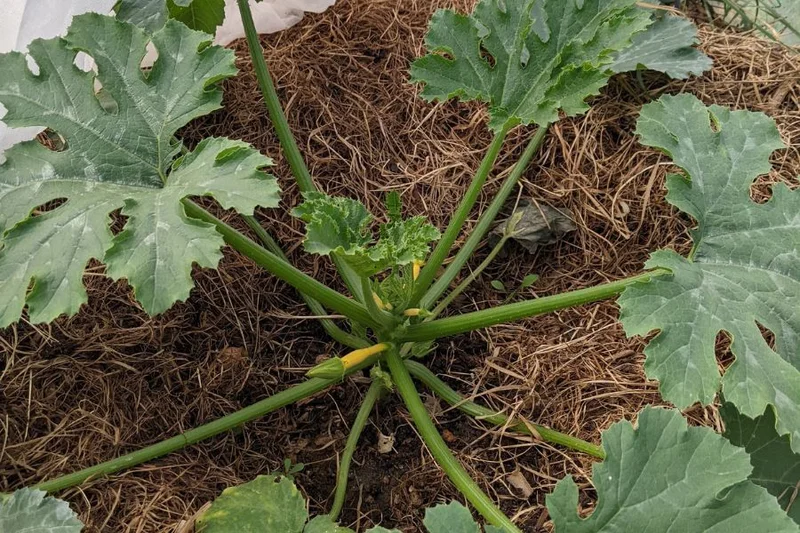
Solution: Patience is key. Allow the plant to mature before expecting a fruitful harvest. You can also encourage growth with a diluted comfrey tea (10%), which is rich in potassium and can enhance fruiting.
Water Management
Proper water management is crucial for zucchini health. These plants are highly sensitive to water stress, and when they don’t receive adequate moisture, fruit abortion can occur. Given their large leaf surface area, zucchinis require significant water—between 3 to 6 liters per square meter daily, depending on the climate.
Solution: Utilize various watering methods such as watering cans, hoses, or drip irrigation to meet their needs. Water temperature should ideally match soil temperature to minimize stress. In hot climates, early morning watering is recommended, and mulching can help conserve moisture and reduce the risk of fruit abortion.
Excess Nitrogen in the Soil
Another potential issue is an excess of nitrogen in the soil, which can result from over-fertilization with products like urine or fresh manure. This can lead to lush foliage at the expense of fruit production.
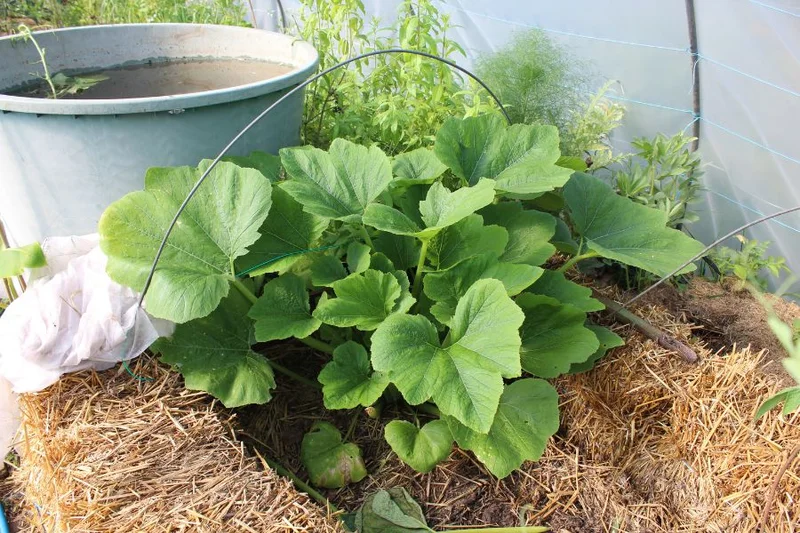
Solution: To counteract excess nitrogen, you can apply diluted comfrey tea or other potassium-rich fertilizers, which can help redirect the plant's energy toward fruiting.
High Temperatures
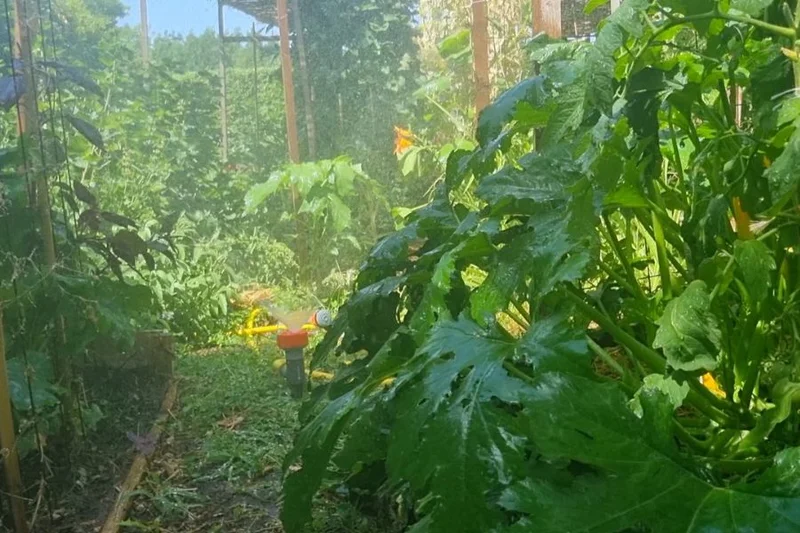
Extreme temperatures can also hinder zucchini fruit development. High heat can degrade pollen quality, leading to poor pollination of female flowers, which in turn may cause yellowing and rotting of the fruit.
Solution: If conditions are too hot, consider waiting for cooler weather. If your plants are more established, you might build a shade structure to protect them from intense heat.
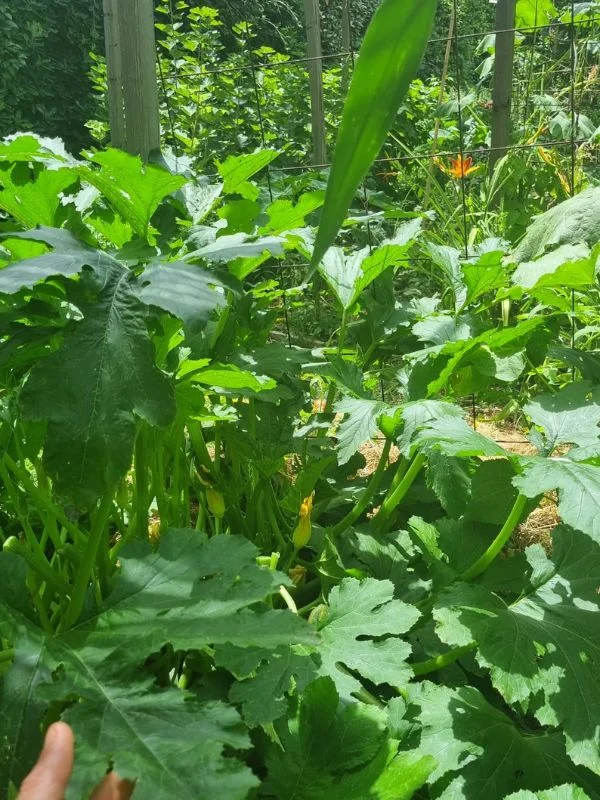
This can lower perceived temperatures by over 10 degrees, greatly benefiting the plants. Additionally, misting the plants and soil can help reduce temperatures and increase humidity.
Lack of Pollinators
If you’ve ruled out the above factors, a lack of pollination might be the issue, though this is relatively rare. If pollination is insufficient, the young zucchinis may yellow and rot.
Solution: Encourage pollinators by planting flowers in your garden or manually pollinating female flowers with male flowers in the morning when they are open. Creating an insect hotel can also attract beneficial pollinators like bees.
General Solutions for Zucchini Problems
To avoid pollination issues altogether, consider growing parthenocarpic varieties of zucchini. These plants can produce fruit without requiring pollination, making them ideal for early planting when conditions may not be optimal.
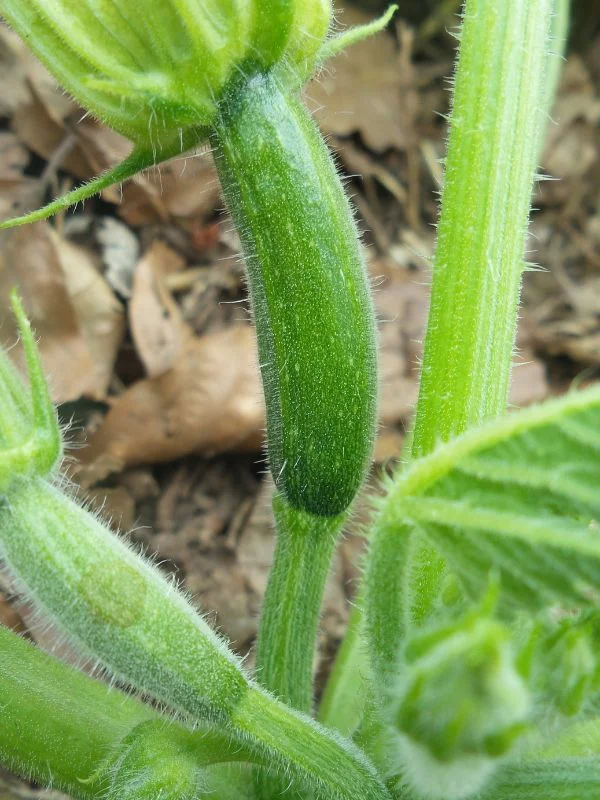
Examples: Varieties such as ‘Partenon F1’ or ‘Kimber’ are great options to try.
In conclusion, addressing the factors that contribute to yellowing and rotting zucchinis can lead to a more productive and satisfying gardening experience. We hope these tips help you cultivate healthy zucchinis in your garden! Feel free to share this article with fellow gardening enthusiasts.