How to Maintain Drought-Resistant Kikuyu Grass
Discover how to maintain Kikuyu grass, a drought-resistant option for sunny gardens and coastal areas. Learn about soil requirements, sowing times, care tips, and suitable plant associations.
How to Maintain Drought-Resistant Kikuyu Grass
13 July 2026
The Kikuyu grass (Pennisetum clandestinum) is renowned for its robustness and heat tolerance, making it an ideal choice for sun-drenched gardens and coastal areas. This perennial grass forms a dense carpet that withstands foot traffic and suppresses weeds when properly established. As gardeners seek resilient solutions in the face of climate change, Kikuyu meets this need while requiring specific care. Here, you will find practical advice on sowing, planting, and maintaining this grass.
What Type of Soil and Exposure is Suitable for Kikuyu Grass?
Kikuyu thrives in sunny conditions and prefers climates with hot summers and mild winters. A fertile, well-drained soil promotes dense rooting and enhances drought resistance. Conversely, overly wet or poorly drained soils can lead to issues, even though the plant can tolerate various conditions.
Coastal areas are particularly suitable due to the plant's ability to withstand salt spray. However, regions where temperatures regularly drop below -5°C are not recommended. For sandy soils, adding organic matter prior to planting is beneficial.
When to Sow or Plant Kikuyu?
Sowing Pennisetum clandestinum typically occurs in spring when nighttime temperatures exceed approximately 12°C. The recommended sowing rate is around 25 g/m², with germination occurring swiftly, usually within one to two weeks if moisture levels are consistent. The cost of seeds may be higher than other varieties due to limited availability in some markets.
Dividing stolons is an effective alternative for establishing small areas or repairing existing lawns. This method is also practiced in spring and allows for quicker establishment than seeds. Young plants require regular watering during the initial weeks.
Cooler conditions at the beginning of the season can slow germination and result in uneven establishment. Careful soil preparation remains a critical factor for success. In regions with mild climates, fall planting is possible, but caution is advised.
How to Maintain Kikuyu Grass?
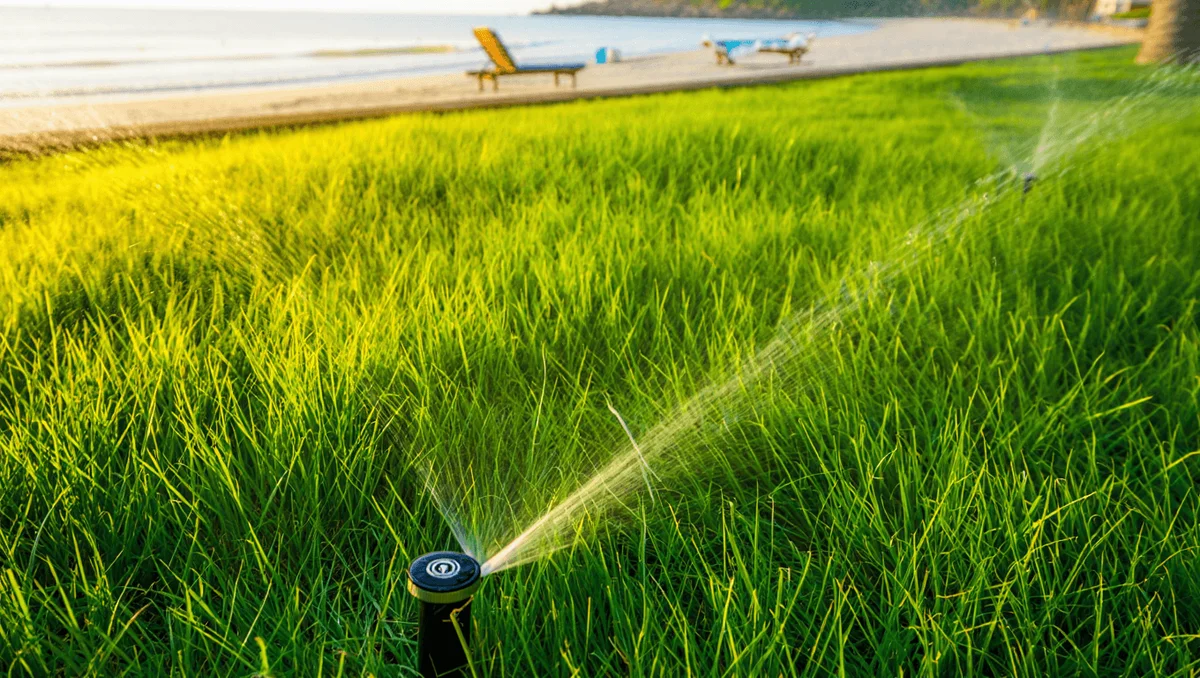
Once established, Kikuyu grass has moderate water needs, as the plant develops a network of stolons and roots that enhance its drought resistance. During the establishment phase, weekly watering helps accelerate soil coverage and compete with weeds. Afterward, watering can be spaced out according to rainfall and soil type.
Spring scarification helps aerate the grass and limit the accumulation of dead material that can hinder recovery. If winter yellowing occurs due to low temperatures, local overseeding with stolon fragments can fill in sparse areas. Mowing should be done at a relatively high height, as cutting below 10 cm is generally not recommended.
A few simple practices will help prolong the health of the grass:
- Adding compost before sowing on poor soils to nourish the plant.
- Regular but infrequent mowing, maintaining a minimum height of 10 cm.
- Light scarification in spring followed by overseeding of any bare spots as necessary.
Is Kikuyu Susceptible to Diseases or Pests?
Overall, Kikuyu shows good resistance to diseases and insect attacks, which contributes to its popularity in heavily used gardens. Proper cultural practices further reduce the risk of infestations and limit the occurrence of moss or fungal diseases. However, quick diagnosis is essential if atypical spots or decline appear.
Activities such as play and foot traffic do not significantly affect its resilience, provided the grass is dense and well-rooted. Prolonged water stress can cause yellowing and increase vulnerability to local problems. Preventive maintenance and targeted organic inputs help keep the surface healthy year-round.
Where to Use Kikuyu and What Associations are Relevant?
Kikuyu grass is ideal for permanent lawns in warm gardens, amateur sports fields, and for stabilizing slopes due to its stolons and root system. The plant can also be used in coastal zones where many traditional grasses struggle to survive. Heavy soils benefit from its ability to improve structure over time.
Slope Stabilization
On inclines, the rapid development of stolons helps limit erosion and solidify the topsoil. Deep roots increase soil cohesion and promote aeration of compacted layers. This technical role makes Kikuyu a valuable option for landscaping vegetation projects.
Use in Pastures and Meadows
Farmers sometimes use Kikuyu in pasture mixtures with legumes like clover to feed livestock through grazing or hay. This combination enhances forage value and plant diversity. Management must be adapted to grazing pressure to ensure proper regeneration.
Which Species and Varieties of Pennisetum to Favor in the Garden?
The genus Pennisetum includes several interesting species depending on the climate and intended use, but Pennisetum clandestinum remains the most common for a heat-resistant lawn. Other species, such as Pennisetum alopecuroides, offer ornamental qualities with their feathery inflorescences and are suitable for structuring borders and beds. Some varieties have limited hardiness and require milder climates to thrive.
A summary table helps compare the characteristics of the main options:
Species | Use | Hardiness | Characteristics --- | --- | --- | --- Pennisetum clandestinum | Resistant lawn, stabilization | -5°C approximately | Dense carpet, stoloniferous, tolerates foot traffic Pennisetum alopecuroides | Ornamental plant | Up to -20°C depending on varieties | Feathery inflorescences, decorative foliage Pennisetum setaceum | Beds and pots | Not very hardy | Often colorful foliage, suited to mild climates
Be cautious not to confuse Kikuyu with similar species such as false Kikuyu (Stenotaphrum secundatum) or buffalo grass (Bouteloua dactyloides), which have different cultural requirements. The choice will depend on climate, intended use, and tolerance to foot traffic.