Enhancing Garden Serenity: The Acoustic Benefits of Dense Hedges
Discover how dense hedges can enhance your garden by reducing noise pollution and providing privacy. Learn about plant choices and maintenance tips.
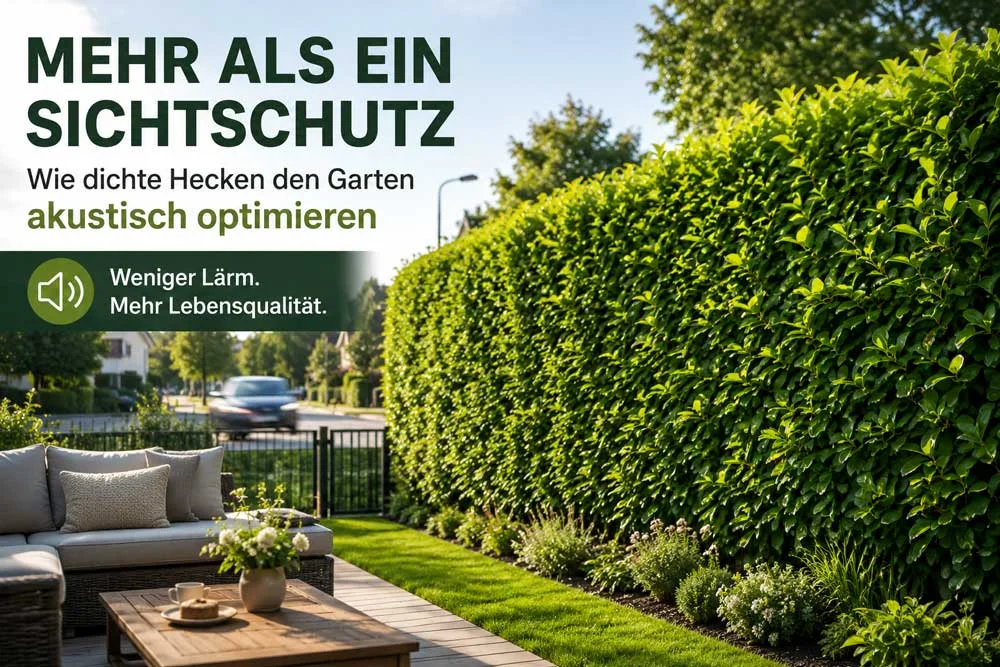
Many garden owners face a common dilemma: enjoying an afternoon coffee and cake on the terrace is often interrupted by the noise of passing traffic. For those looking to create a peaceful outdoor space, dense hedges can serve more than just a visual barrier; they also play a significant role in sound reduction.
Dense hedges act as natural sound barriers, absorbing and deflecting noise, which can significantly improve the acoustic environment of a garden. The effectiveness of these hedges in noise reduction is influenced by several factors, including the type of plants used, their height, and their density. Some of the best options for creating an effective acoustic shield include evergreen species, which maintain their foliage year-round, ensuring continuous sound protection.
In addition to their acoustic properties, dense hedges offer privacy and can enhance the aesthetic appeal of a garden. When selecting plants for hedging, consider species that grow thickly and can withstand pruning. Popular choices include Leylandii, Thuja, and various types of privet, all known for their robust growth and ability to create a lush, green wall.
When planning your hedge, it’s essential to consider the layout and how it will interact with other elements in your garden. Ideally, the hedge should be strategically placed to block the most intrusive sources of noise, such as roads or busy walkways. The height of the hedge should also be taken into account; taller hedges can provide better sound insulation but may require more maintenance to keep them healthy and looking good.
To maximize the acoustic benefits of your hedge, it’s advisable to plant a mix of species. This diversity not only enhances the visual interest but can also improve sound absorption, as different plants have varying capacities to absorb and deflect sound waves. Additionally, incorporating flowering plants and shrubs within or around the hedge can attract wildlife, further enriching the garden environment.
If you’re considering installing a hedge for acoustic purposes, it’s worth noting that the initial growth can take time. Patience is key, as it may take a few years for your hedge to reach its full potential in terms of height and density. Regular maintenance, including pruning and watering, will help ensure that your hedges thrive and continue to provide the desired sound reduction over time.
In conclusion, dense hedges are an excellent solution for garden owners seeking to improve their outdoor experience by minimizing noise pollution. By selecting the right plants and strategically placing them, you can create a serene oasis that allows you to enjoy your garden in peace.