Should You Shade Your Vegetable Garden?
Explore the importance of shading in vegetable gardening, understanding plant needs, and creating a balanced environment for optimal growth.
Introduction🌱
When establishing a vegetable garden, one of the most common pieces of advice is to select the sunniest spot in the yard. This guidance holds considerable truth, as most vegetables require ample sunlight to perform photosynthesis, flower, and produce fruit.
However, in recent years, summers have changed. Heatwaves are becoming more frequent, prolonged, and intense, with temperatures sometimes soaring above 35 °C. Under these conditions, sunlight transitions from being merely an energy source to a source of stress for plants.
Leaves may dehydrate, flowers can drop, fruits may stop ripening, and growth can slow down, even if the soil remains adequately moist. Should gardeners then seek to shield their crops from the sun? The answer is yes, but the approach varies depending on the type of plant.
The goal isn't to turn your garden into a shaded area but to identify which crops genuinely need protection and how to create a cooler environment without hindering their development.
Sunlight, Light, and Heat: Three Concepts Not to Confuse
In gardening, the term "sun" is often used interchangeably to refer to various aspects. Nonetheless, plants respond differently to light, temperature, and direct sunlight exposure.
Light is essential for photosynthesis, enabling plants to produce the sugars necessary for growth, flowering, and fruiting.
Heat, on the other hand, is beneficial only to a certain extent. Beyond that threshold, it can induce stress. Stomata, the tiny openings on leaves, gradually close to minimize water loss. As a result, photosynthesis slows, growth diminishes, and functions like flowering or fruit maturation may be temporarily disrupted.
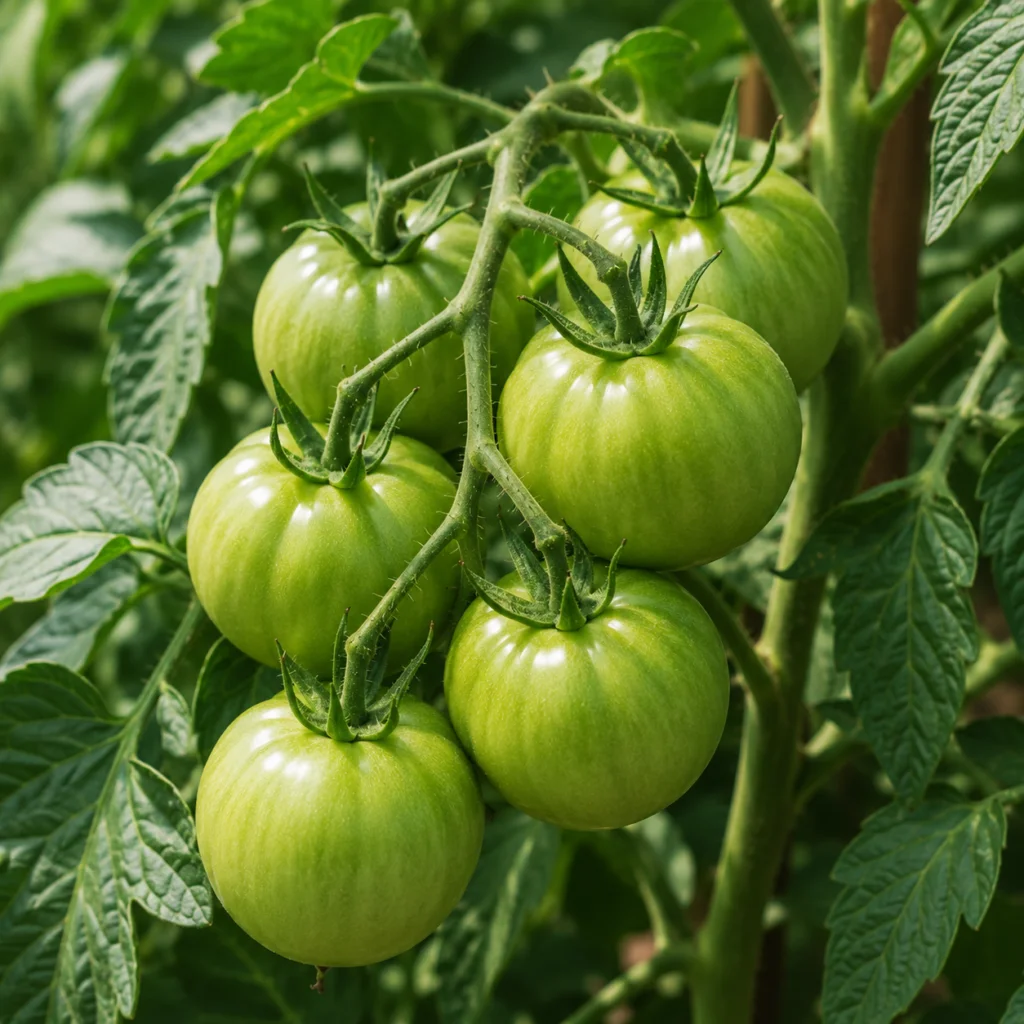
Moreover, direct sunlight can heat leaves and fruits much more than the air temperature. For instance, a tomato exposed to the afternoon sun can reach dangerously high temperatures, potentially causing burns or delaying ripening.
In essence, while a plant may thrive on light, it does not necessarily appreciate being subjected to scorching sunlight during the hottest parts of the day.
Shade Can Be a True Ally
When the topic of shading a vegetable garden arises, many envision a tarp stretched over the crops. However, a light form of protection is often sufficient to enhance plant comfort.
A few hours of shade in the afternoon can lower leaf temperatures, limit evaporation, and reduce thermal stress. Plants can still receive ample light in the morning and early day while being shielded during the most challenging conditions.
This temperature reduction can also positively affect flowering. For example, tomato pollen remains more viable when flowers are not exposed to excessive heat. Additionally, fruits are less likely to suffer from sunscald, characterized by white spots on their exposed surfaces.
Thus, shade does not impede production; when used wisely, it allows plants to thrive under better conditions.
Not All Crops Have the Same Needs
Vegetables react differently to sunlight. Fruit-bearing vegetables, many of which originate from warmer regions, thrive in bright light but can suffer under extreme temperatures. Leafy vegetables, on the other hand, often tolerate partial shade much better, especially during the summer.
The table below provides some general guidelines:
| Crop | Sunlight Requirement | During Heatwaves | |-------------|----------------------|-------------------| | Tomato | Very High | Light shade during the hottest hours can be beneficial. | | Eggplant | Very High | Tolerates sun well but benefits from protection in extreme heat. | | Bell Pepper | Very High | Similar to tomato. | | Zucchini | High | Light shade reduces water stress. | | Cucumber | High | Prefers a slightly cooler atmosphere. | | Bean | Medium to High | Often produces more consistently with light protection. | | Lettuce | Medium | Partial shade delays bolting. | | Spinach | Medium | Prefers partial shade in summer. | | Arugula | Medium | Shade slows bolting. | | Radish | Medium | Roots stay tender with some shade. | | Celery | Medium | Grows better in cooler conditions. | | Parsley | Medium | Thrives with light partial shade. | | Coriander | Medium | Bolts less quickly. | | Lamb's Lettuce | Low to Medium | Prefers less intense exposure in summer. |
Of course, these are general trends. Soil type, regional climate, wind conditions, and water availability significantly influence plant behavior. For instance, sandy soil in full sun in southern France will yield different effects than clay soil in Brittany.
Creating Shade… Naturally
When looking to protect certain crops, the instinct is often to install a shading cloth. While this is an effective solution, it is not the only one.
The garden itself offers numerous options to create a more pleasant microclimate.
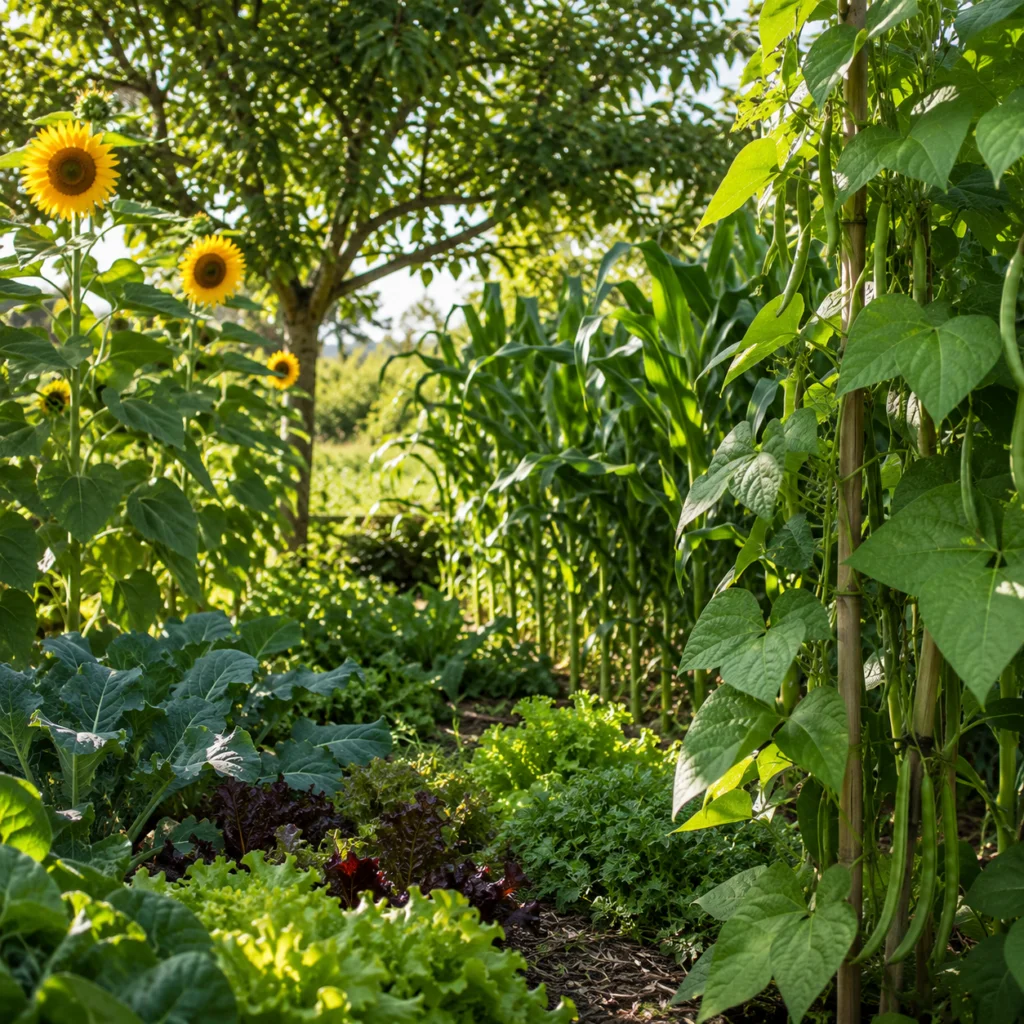
Sunflowers, for example, serve as excellent natural protectors. Their tall stature casts a gentle shade that shifts throughout the day. Nearby crops benefit from this cooling effect without losing access to light. Additionally, their flowers attract many pollinators.
Corn can also play this role. Positioned where the sun is most intense in the evening, it forms a barrier against direct sunlight while allowing air circulation.
Climbing beans provide another interesting solution. When grown on a trellis or arch, they create a green curtain that protects more sensitive vegetables while also yielding an additional harvest.
These combinations help achieve multiple goals: increasing production, diversifying crops, and naturally mitigating the effects of high temperatures.
What About Trees in the Vegetable Garden?
Historically, trees and vegetable gardens were thought to be incompatible, with trees casting too much shade and vegetables lacking sufficient light.
However, this perspective is evolving.
In many agricultural systems, the integration of trees and crops fosters a more favorable microclimate. Trees slightly reduce air temperature, slow desiccating winds, and provide light shade during the hottest hours.
In a garden, it’s not advisable to plant a large oak among the tomatoes. However, strategically placing a few fruit trees along the edges of the garden can offer numerous benefits.
An apple, plum, or pear tree, wisely positioned, provides mobile shade that changes throughout the day and seasons. This protection is often sufficient to shield certain crops from excessive sunlight while still allowing ample light to penetrate.
They also create habitats for various birds, pollinating insects, and beneficial organisms, thus enhancing the garden's biodiversity.
Finding the Right Balance
Conversely, too much shade is undesirable.
Crops receiving insufficient light will produce fewer flowers and fruits and dry more slowly after rainfall, which can encourage certain diseases.
The objective is not to universally shield all plants but to observe which ones genuinely suffer from sunlight in your garden.
Certain areas may remain perfectly suited to full south exposure, while others may benefit from a few hours of cooler conditions during extreme temperatures.
As is often the case, there is no one-size-fits-all rule. The best arrangement considers your climate, soil, and the specific needs of each crop.
Conclusion
We have long been taught that a vegetable garden should be situated in full sunlight. This rule generally holds true but may require adaptation in the face of increasingly hot summers.
Creating some shade does not mean depriving vegetables of light. Rather, it involves providing a more balanced environment when conditions become challenging. A light shade, well-placed and limited to the hottest hours, can significantly reduce thermal stress, preserve flowering, and enhance plant comfort.
Ultimately, gardening rarely involves rigid formulas. It is primarily about observing living organisms, understanding the needs of each crop, and adapting practices to the specific conditions of your garden. This observational skill allows gardeners to build a more resilient vegetable garden year after year, adapting to the changing climate.