Essential Tips for Creating a Thriving Vegetable Garden
Creating a vegetable garden is like crafting a living artwork: each plant needs its perfect spot to thrive. Planning is key to achieving bountiful harvests and healthy growth.
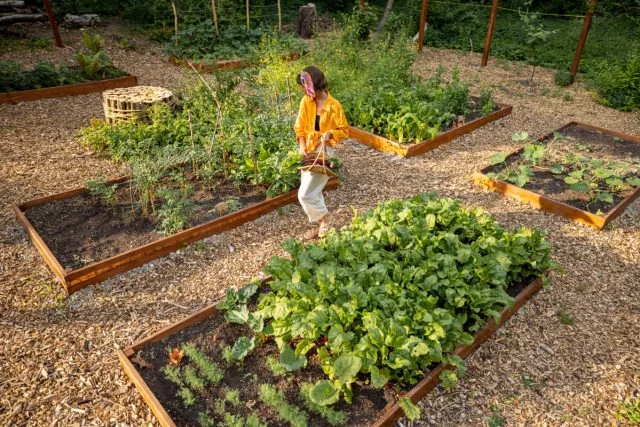
Creating a vegetable garden is akin to crafting a living masterpiece; each plant requires its ideal spot to flourish and yield its best. If you envision bountiful rows and generous harvests, the journey begins with effective organization.
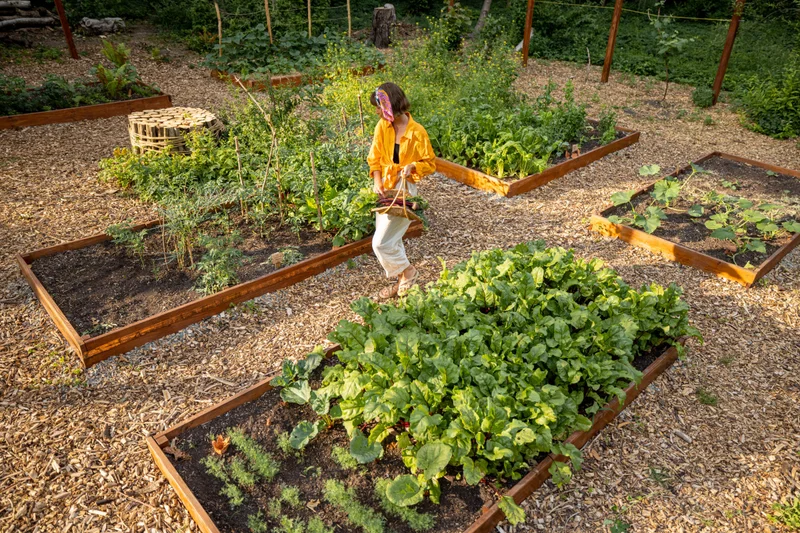
The Importance of Planning Your Garden
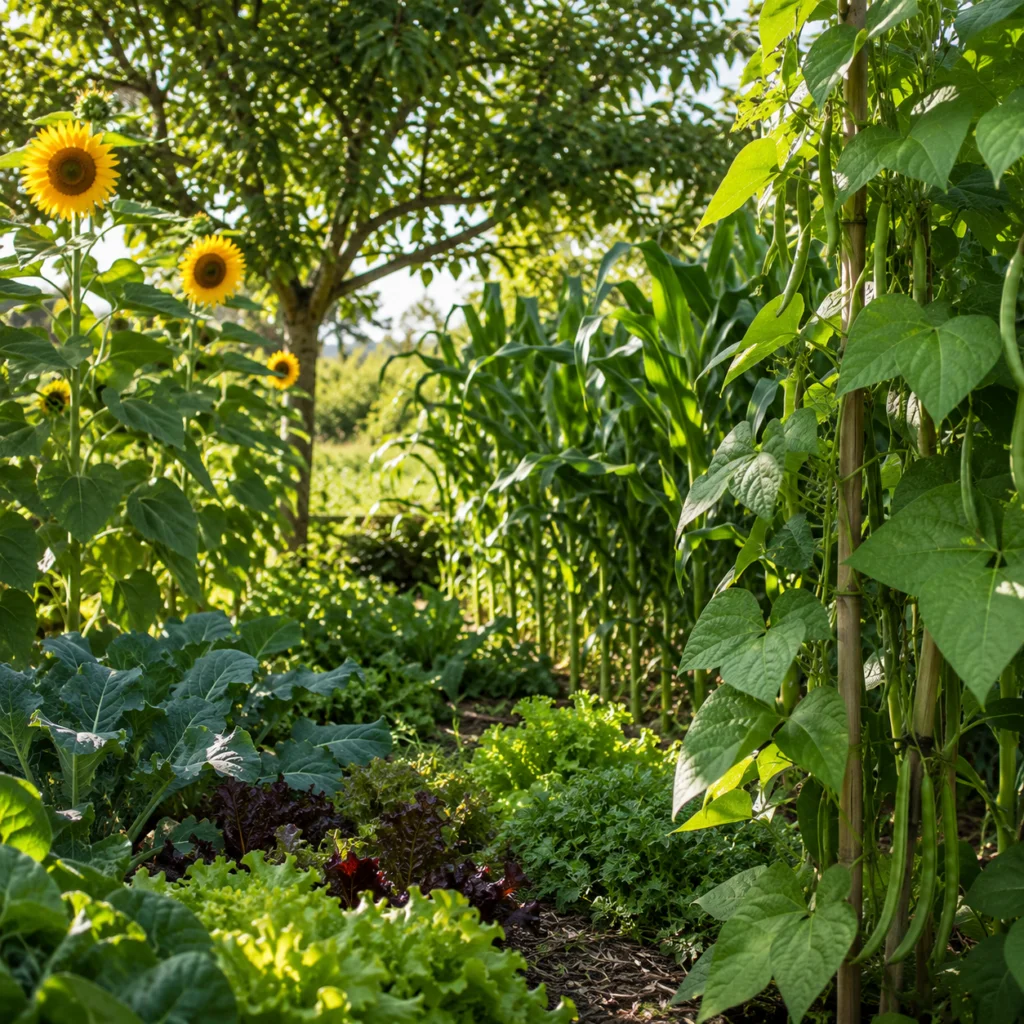
Planning your garden is much like preparing a recipe: it’s all about balance and organization for optimal results. By taking the time to sketch out where each vegetable will be planted, you can better cater to their needs for sunlight, space, and even companionship (as some vegetables thrive alongside others while some do not).
A clear layout simplifies the planting process. For instance, knowing where to place sun-loving tomatoes versus shade-preferring spinach will set you up for a healthy garden, abundant yields, and fewer headaches related to diseases or misplacements.
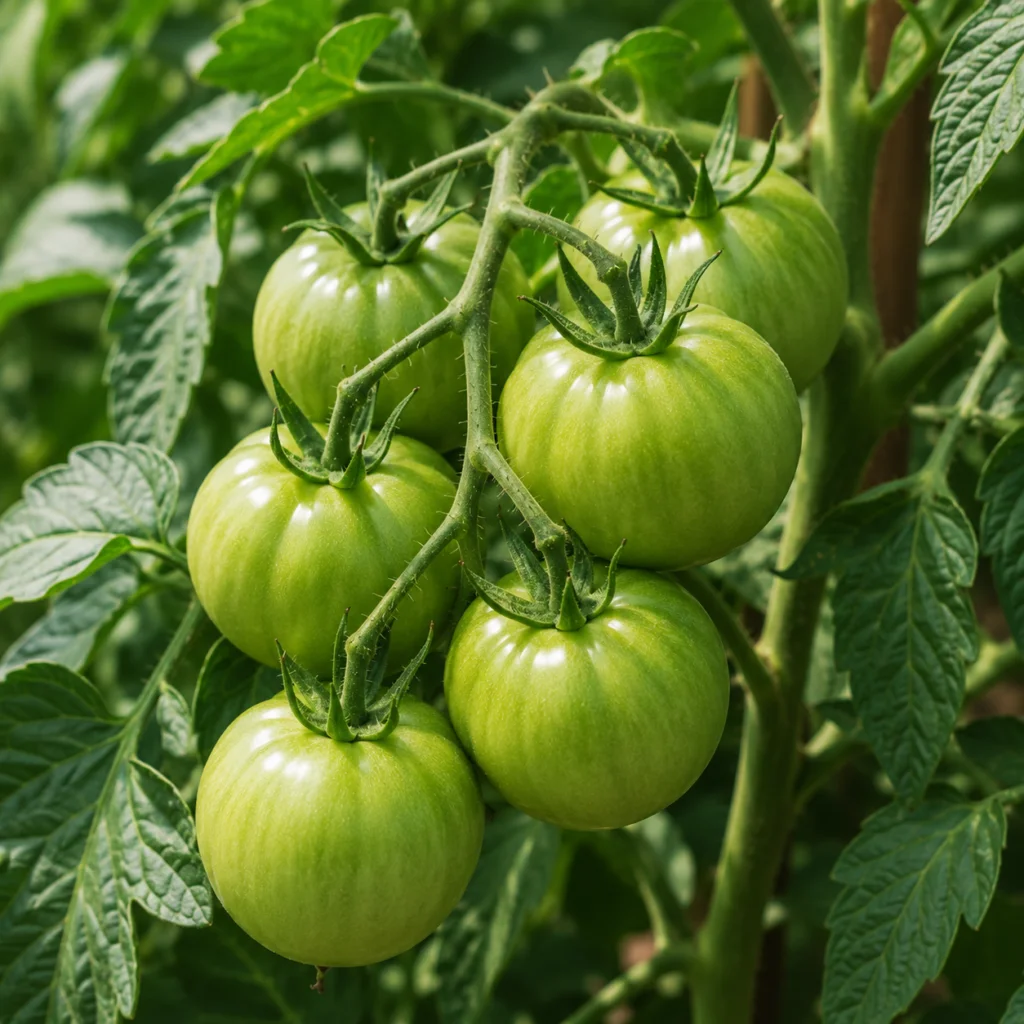
Before diving into planting, take a moment to list the vegetables you love to cook with. There’s no need to cultivate varieties that won't end up on your plate. Once you have your list, categorize them based on their light requirements, height, and growth rate. This will help you position each plant optimally in your garden. For example, sun-loving crops such as tomatoes, eggplants, and melons will need to occupy the brightest spots.
Organizing Crops by Growth Type
In your garden, each vegetable has its own growth rhythm, and organizing them effectively can make a significant difference. "Slow" vegetables, like cabbages, carrots, or leeks, require a well-thought-out and fixed location. To simplify your task, consider using a plant configurator or creating a detailed plan. Ensure these slower-growing plants do not obstruct others from receiving adequate sunlight by spacing them appropriately. Remember to provide enough room; overcrowding can hinder growth and diminish your harvest.
Conversely, "fast" vegetables such as lettuce, radishes, or spinach grow quickly and occupy minimal space. Their short cycles allow for multiple harvests within a season, making them ideal for maximizing your garden's output. Position them in easily accessible areas for frequent harvesting, and consider placing them between rows of slower-growing vegetables to optimize every inch of soil.
Practical Tips to Enhance Your Harvest
Looking to boost your garden’s productivity? Consider implementing crop rotation, a straightforward technique to maintain soil fertility and health. By changing the locations of vegetable families each year, you can prevent nutrient depletion and minimize diseases specific to certain plants.
Also, think about using green manures: these plants enrich the soil and enhance future yields. They can be easily integrated into your cycle, ensuring a richer soil ready to support your favorite vegetables.
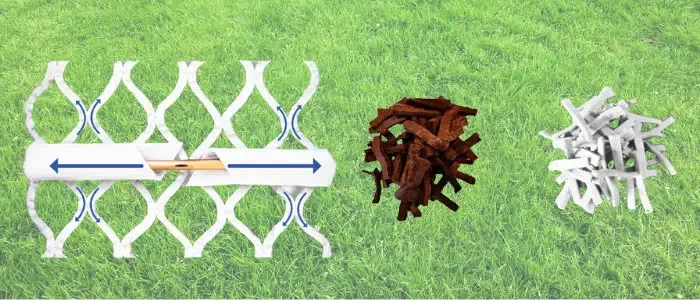
To keep your soil in top condition, mulching is your best friend. Using materials like compost, fallen leaves, or wood chips helps retain moisture, suppress weeds, and protect roots from temperature fluctuations. A well-mulched garden bed is ideal for happy, productive plants.