Essential Gardening Tasks for July
July is a vibrant month in gardening, filled with color and the first harvests. However, it also presents challenges such as heat and drought that require careful maintenance. Discover essential tasks for a thriving garden this month.
July marks a vibrant time in the garden. Flowerbeds burst with color, vegetable plots yield their first harvests, and fruit trees begin to reward the care bestowed upon them since spring. However, this month also brings new challenges, including heat, drought, and the need for regular maintenance, all of which require careful attention. From watering and harvesting to summer sowing and maintenance pruning, every action contributes to maintaining the garden's vitality. This is also an ideal time to fully enjoy outdoor spaces and plan for late-season plantings. 🧑🏼🌾
In this article, discover all the essential tasks to undertake in July to keep your garden beautiful, productive, and healthy despite the heat.☀️
Vegetable Garden in July: What to Sow and Harvest?
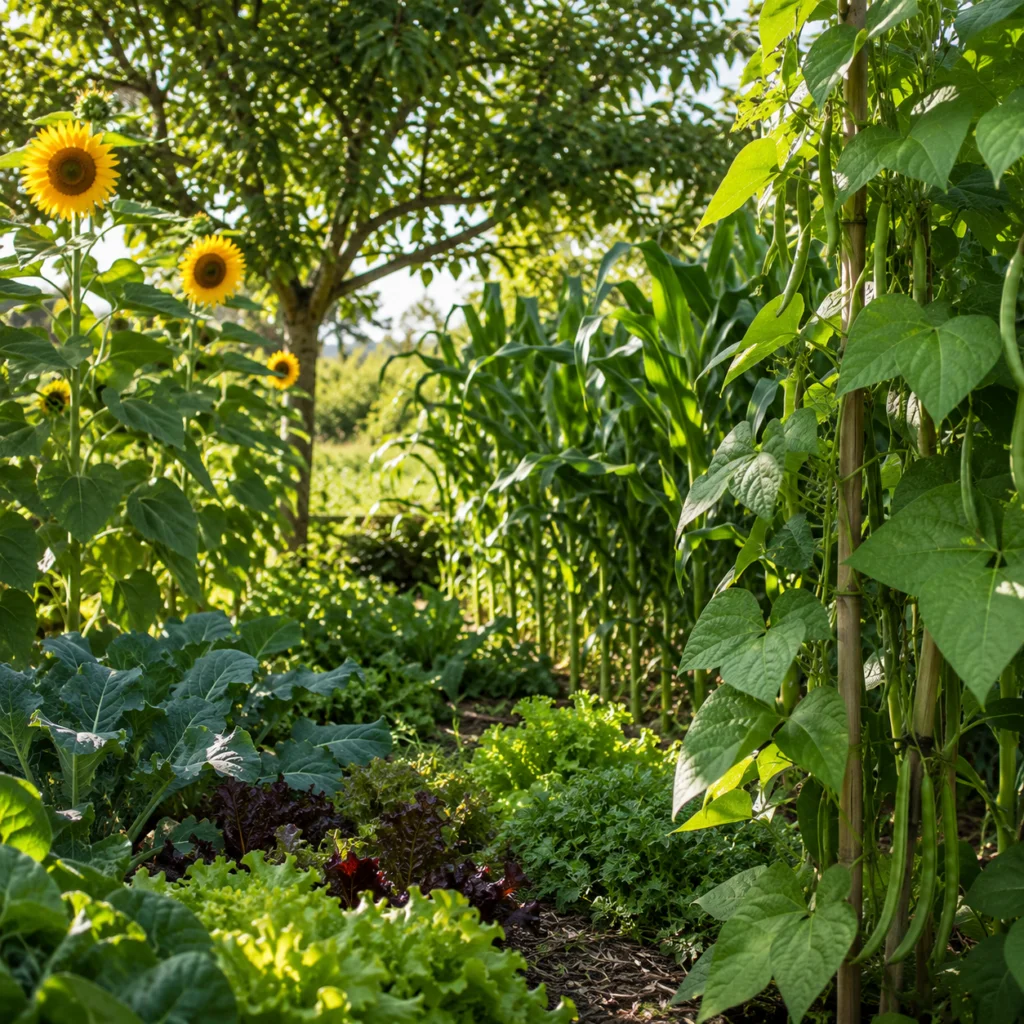
In July, the vegetable garden is in a peak production phase. With children on vacation, it’s the perfect opportunity to assign them small tasks throughout the summer, such as harvesting, watering, and general upkeep. By regularly harvesting mature vegetables and sowing new varieties suited to the season, you can optimize space and extend the harvest. 👍🏼
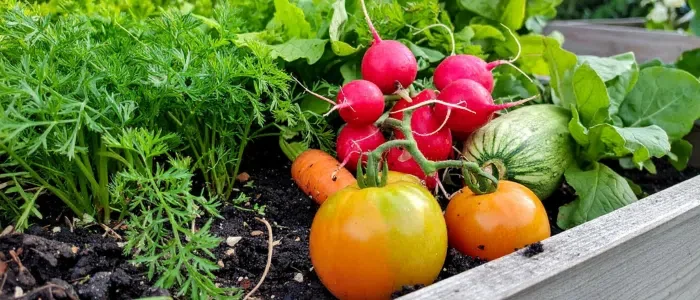
Vegetables to Harvest
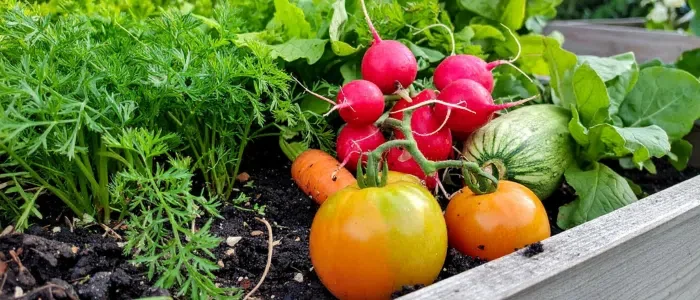
Depending on your region and the timing of your sowing or planting, it’s time to gather the first summer vegetables as well as some spring crops. Here are the main harvests to focus on this month:
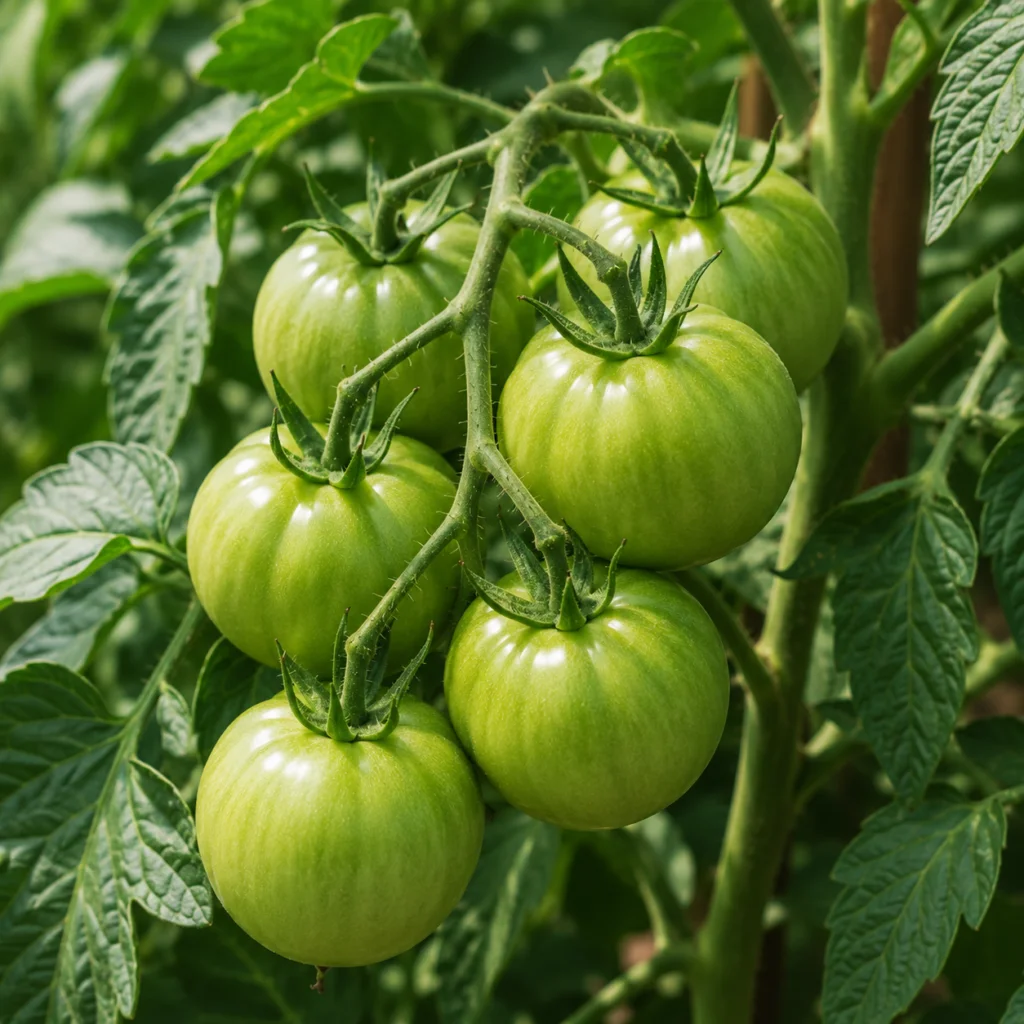
- Tomatoes 🍅,
- Zucchini,
- Cucumbers 🥒,
- Eggplants 🍆,
- Peppers 🫑,
- Green beans,
- Peas 🫛,
- Lettuce 🥬,
- Radishes ,
- New potatoes 🥔,
- Onions and shallots 🧅.
Vegetables to Sow
Take advantage of the space freed up by your harvests to prepare for late summer, fall, and even winter crops. It's crucial to keep the soil cool through regular watering and mulching to encourage germination. 💧
You can sow:
- Winter radishes,
- Spring cabbages, cauliflower, and Chinese cabbage,
- Peas,
- Lettuce varieties: 🥬 including butterhead, batavia, mesclun, frisée chicory, escarole, and arugula,
- Beets,
- Broccoli 🥦,
- Endives.
Regularly removing weeds, watering generously, and ensuring evening watering without wetting the foliage are essential to prevent diseases.
Maintaining Your Pond in July
During summer, particularly in July, pond maintenance becomes crucial. ☀️ High temperatures can lead to water evaporation, algae growth, and imbalances in the ecosystem. Regular upkeep helps maintain clear water and a healthy pond.
Remember to:
- Clean the pond by removing leaves 🍃, algae, and debris using a net or pond vacuum while also maintaining the pump and filtration system.
- Check the water level and add water as needed to compensate for evaporation;
- Test the water quality, including pH and hardness, to protect plants and fish 🐟.
- Ensure good oxygenation with oxygenating aquatic plants or an aeration pump.
- Prune aquatic plants and remove dead leaves to limit algae growth and maintain the pond's biological balance.
A well-maintained pond can withstand high temperatures better and provides a favorable environment for aquatic plants and fish.
Flowers and Plants in July: Essential Care Tips
In July, flowerbeds, planters, and balconies are in full bloom. However, the intense heat can stress plants. A few maintenance tasks can help keep your garden flourishing throughout the summer. 💐
🪴 You can still plant perennials, shrubs, and container plants, as long as you water them regularly after planting. It’s also an excellent time to sow biennial flowers, such as pansies, forget-me-nots, wallflowers, or foxgloves, which will bloom next spring. Additionally, you can take cuttings from certain plants and shrubs, including lavender, lantana, abutilon, or Mexican orange blossom.
💧 Make sure to water your plants regularly, preferably early in the morning or late in the day, to minimize evaporation. Hydrangeas and other acid-loving plants enjoy generous watering during hot spells. Applying mulch around plant bases helps retain soil moisture. You can even use slightly dried grass clippings to reduce evaporation and inhibit weed growth.
To encourage abundant blooming, regularly remove spent flowers from roses and other flowering plants. You may also want to apply a special fertilizer for flowering plants or roses to support repeat blooming. This is also a good time to prune shrubs that have finished blooming, such as mock orange, weigela, cotoneaster, and wisteria, to control their growth. Lastly, watch for pests and diseases to address any issues swiftly. 👍🏼
Additional Tips for July
In July, certain tasks are often overlooked but are vital for maintaining a healthy garden during the summer.
- Care for your lawn by avoiding cutting it too short. A mowing height of 6 to 8 cm helps the grass better withstand drought and prevents yellowing.
- ✂️ Trim hedges and evergreen shrubs if necessary, avoiding hot periods and ensuring no birds are nesting.
- Keep an eye on fruit trees: remove damaged fruits, support heavy branches, and harvest ripe fruits. 🌳
- Maintain climbing plants by tying new growth from clematis, jasmine, or honeysuckle to guide their development.
- Aerate the compost and keep it slightly moist. Heat accelerates decomposition as long as the compost doesn’t dry out completely.
- Collect rainwater when possible to reduce water consumption during dry spells. 🌧️
🌿 July demands attention in the garden, but it also offers beautiful rewards. By adopting the right practices throughout the month, you can preserve its beauty, support its harvests, and prepare for the blooms and yields of the coming months. Enjoy this bountiful season and cherish every moment spent in your garden.