A Beginner's Guide to Successful Seed Sowing
Master the art of seed sowing with this comprehensive guide for beginners. Learn essential techniques and avoid common mistakes to grow robust seedlings for your vegetable garden.
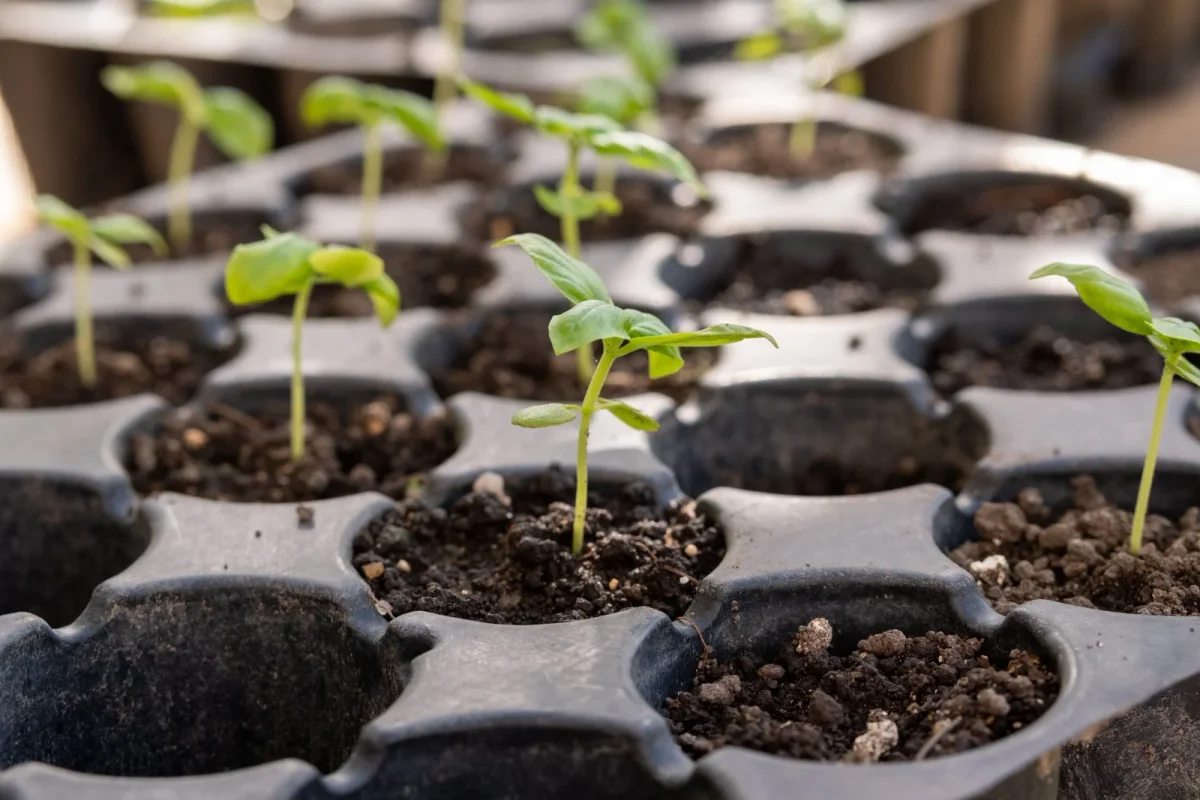
Starting a vegetable garden hinges on successful seed sowing, yet many novices encounter challenges such as non-germinating seeds, weak plants, or uneven growth. This guide presents a straightforward and effective approach to mastering the art of seed sowing, helping you avoid common pitfalls and cultivate robust seedlings from the outset.
Understanding the Basics of Seed Sowing
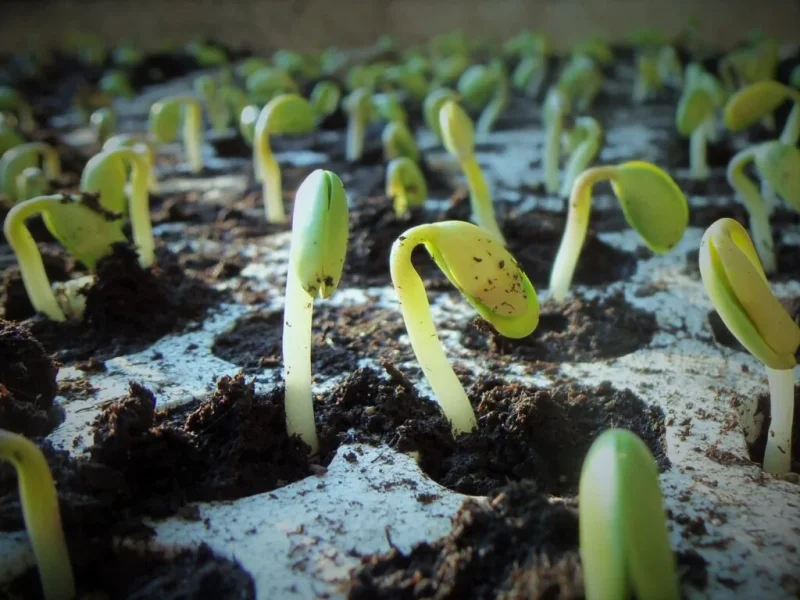
Seed sowing involves germinating seeds in a conducive environment to produce young plants, which significantly influences the success of your future crops. Two primary methods exist:
- Indoor Sowing: This method allows for better control over temperature, humidity, and light conditions.
- Outdoor Sowing: More reliant on weather conditions, this technique is suited for specific crops.
To ensure successful seed sowing, three key factors must be managed: a suitable substrate, balanced moisture levels, and adequate light exposure.
Essential Equipment for Successful Seed Sowing
Having the right tools can greatly enhance your success rate. The fundamental items include:
A lightweight, well-draining seed compost that provides the necessary space and nutrients for seedlings to flourish.

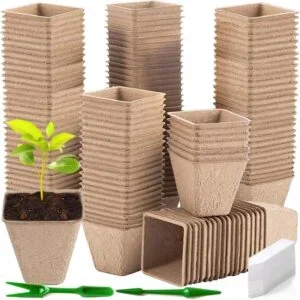
Appropriate containers such as seed trays, pots, or modules. Various types of pots are available that cater to sowing and subsequent repotting needs.
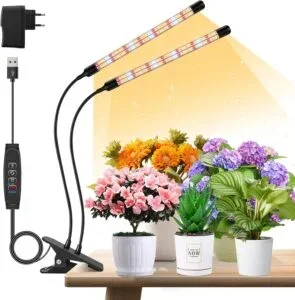
A reliable light source, either natural or artificial. UV and infrared lamps are ideal for indoor seed growing, particularly when space is limited or during less sunny days.
A gentle watering system to prevent disturbing the seeds. When watering, be cautious to avoid displacing seeds with heavy drops of water. Use gentle methods until the seeds establish roots.
Using inadequate equipment often leads to failures, particularly when using overly compact compost or poorly managed watering techniques.
Steps for Easy Seed Sowing
Choosing the Right Seeds
The quality of seeds directly affects germination rates. It is advisable to select fresh seeds that are suitable for the season and your local climate. Check the seed packet for information on sowing times, planting depth, and growing conditions. Some varieties are easier for beginners, which can significantly improve early results.
Preparing the Substrate
The substrate should be light, airy, and able to retain moisture without becoming waterlogged. A specialized seed compost is typically the best choice, as it supports both drainage and germination. Before sowing, lightly moisten the compost; it should feel soft to the touch but not soggy. A substrate that is either too compact or too dry can hinder seed development.
Sowing at the Correct Depth
Sowing depth is a crucial factor often overlooked. If a seed is planted too deeply, it may struggle to emerge, while seeds sown too close to the surface risk drying out. As a general rule, seeds should be buried to a depth of two to three times their size. Very fine seeds should simply be placed on the surface and lightly pressed down.
Watering with Care
Watering must be controlled from the start. The substrate should remain consistently moist but never saturated. Overwatering can lead to mold growth and seed rot, while insufficient moisture can halt germination. Using a spray bottle allows for even water distribution without disturbing the seedlings.
Providing Adequate Light
Light becomes essential once the first shoots appear. Insufficient light can cause etiolation, where plants stretch and become weak. Ideally, seedlings should be placed near a bright window. If natural light is lacking, artificial lighting may be necessary to ensure balanced growth.
Maintaining a Stable Temperature
Temperature directly impacts germination speed. Most seedlings thrive in a range of 18 to 24°C. Low temperatures can slow germination, while significant fluctuations can weaken young plants. It is best to keep the environment stable, away from drafts and temperature extremes.
Common Mistakes in Seed Sowing
Several frequent errors contribute to the failures experienced by beginners:
- Overwatering that leads to seed rot.
- Insufficient light causing seedling etiolation.
- Using unsuitable or overly compact compost.
- Sowing at inappropriate times.
- Incorrect planting depth.
Addressing these mistakes can yield quick and visible results.
When to Sow Seeds
Adhering to a planting calendar is vital to align crops with seasonal conditions.
| Month | Recommended Sowing | |-------|-------------------| | March | Tomatoes, peppers, eggplants, lettuce, herbs | | April | Zucchini, cucumbers, melons, beets, salads | | May | Beans, corn, squash, direct sowing in the ground |
These timings may vary based on your region and local climatic conditions.
Frequently Asked Questions about Seed Sowing
How long does it take for a seed to germinate? Germination typically takes between 5 to 15 days, depending on the variety and growing conditions.
Should seeds be covered? Covering can help maintain moisture, but it should be removed once the first shoots appear.
Where should seedlings be placed? An ideal location is bright, with stable temperatures and protection from drafts, to promote healthy growth.
Successfully sowing seeds relies on simple principles: using the right substrate, managing moisture accurately, ensuring sufficient light, and maintaining a stable temperature. By following these guidelines, you can cultivate strong seedlings ready for transplanting, transforming the sowing process from a daunting task into a powerful tool for your gardening success.