Caring for Bonsai Azalea: Rhododendron indicum Guide
Learn how to care for Bonsai Azalea (Rhododendron indicum) with our comprehensive guide on watering, repotting, fertilization, and substrate needs.
The Bonsai Azalea, known scientifically as Rhododendron indicum, is a beloved plant in the bonsai community. This species, also referred to as Azalea or Satsuki Azalea, hails from the Himalayan region, India, and China. Its stunning floral display makes it a popular choice among bonsai enthusiasts.
Overview of Bonsai Azalea
- Family: Ericaceae
- Genus: Rhododendron (Azalea)
- Species: Rhododendron indicum, Rhododendron lateritium, Rhododendron impeditum
- Origin: Asia, particularly India and China
- Growth Rate: Slow
- Cultivation Difficulty: Moderate
- Light Requirements: Cool to partial shade
- Temperature Range: 5°C to 20°C, with an ideal temperature of 13°C
- Propagation Methods: Seeds, cuttings, or layering
Maintenance and Care for Bonsai Azalea
Watering
The watering frequency and water needs of a Bonsai Azalea depend on various factors, including its substrate, sunlight exposure, wind conditions, and pot size.
Proper watering is crucial for the health of the Bonsai Azalea. When grown in a pot, it must remain consistently moist without being waterlogged. The roots of the Azalea dry out quickly, which can be detrimental, just as overwatering can be.
For outdoor cultivation, during the summer and particularly on hot days, it is advisable to water the Azalea early in the morning or in the early evening. Additionally, avoid misting the foliage to prevent leaf burn.
Watering Guidelines:
- Avoid scheduled watering; only water when necessary.
- Prefer using rainwater over tap water, which can be high in calcium. If using tap water, let it sit for a few days.
- Water your Azalea with room temperature water to prevent thermal shock.
- The soaking method should only be used when your bonsai shows signs of severe dehydration.
- If your bonsai sits on a saucer, remember to remove excess water.
- In summer, opt for morning or evening watering outdoors.
Repotting
Repotting should be done after flowering, annually for younger plants and every 2 to 3 years for older specimens.
When repotting the rhododendron, it is essential to trim one-third of the roots and place it in a larger bonsai pot to encourage growth.
Tips for Repotting:
- Generally, repot a bonsai when the substrate is no longer draining well.
- If you've recently acquired the bonsai, it's advisable to repot it quickly, especially if it was not sourced from a professional.
- After repotting, wait at least two weeks before fertilizing, especially following root pruning.
Fertilization
You can fertilize the Azalea year-round with an organic fertilizer high in potassium to promote flowering (such as Biogold). However, it is advisable to avoid nitrogen-rich fertilizers during the flowering period.
Nutrient Roles in Bonsai Fertilizers:
- Nitrogen (N): Stimulates leaf and stem growth.
- Phosphorus (P): Enhances root development and disease resistance.
- Potassium (K): Supports the development of flowers and fruits in bonsai.
Substrate
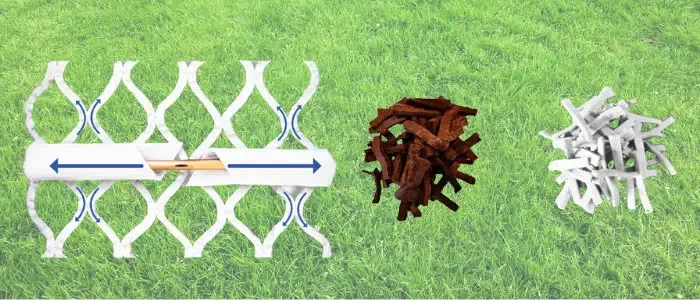
Successful Azalea cultivation requires an acidic and well-draining substrate. A mix of Kiryu and Kanuma, a type of acidic Japanese soil, is ideal for Azaleas.
The Ficus Retusa, also known as Ginseng, is among the most commonly cultivated bonsai species. It is particularly suitable for beginners due to its hardiness and rapid growth. Explore our tips to ensure successful care and maintenance (watering, fertilizing, repotting...).
The Chinese Elm (Ulmus parvifolia) is a tropical species from Asia that is frequently grown as bonsai. Discover our guide for successful care and cultivation (watering, fertilizing, pruning...).