Caring for Bonsai Citrus: A Comprehensive Guide
Explore the essential care tips for Bonsai Citrus, including location, watering, repotting, and fertilization. Discover how to cultivate this tropical gem successfully.
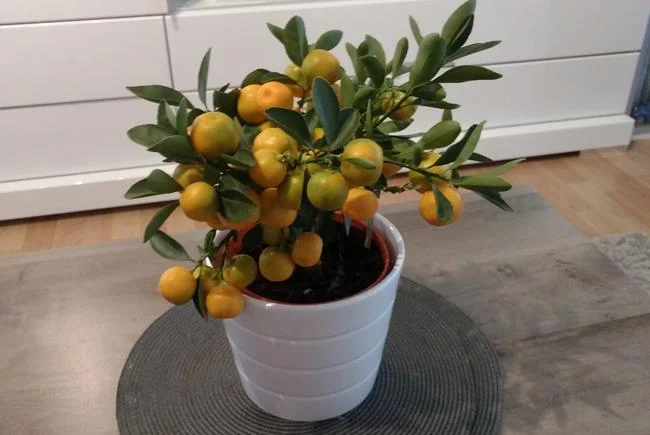
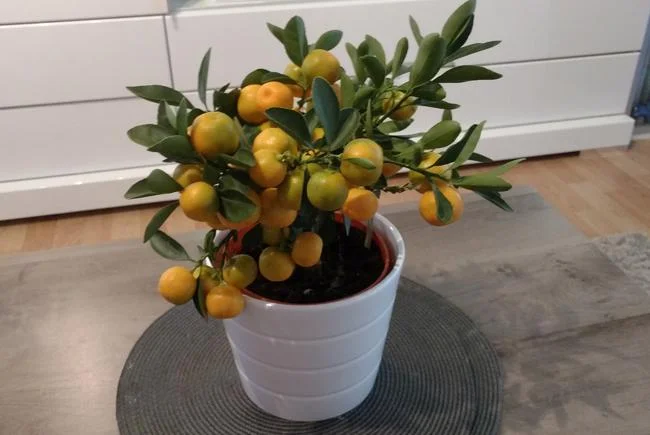
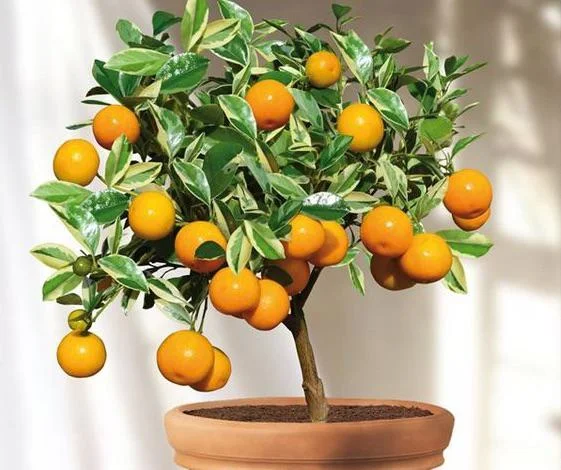
The bonsai citrus, a tropical species native to Asia, Eastern India, and Australia, is celebrated for its fragrant flowers and citrus fruits. Its deep green leaves and vibrant fruits lend this bonsai an unparalleled charm. In its natural habitat, the citrus tree can grow over 10 meters tall.
Gardening
During its growth phase, the fragrant white flowers will give way to fruits. Certain citrus species produce edible fruits, but caution is advised as some varieties can be toxic.
- Family: Rutaceae
- Genus: Citrus
- Species: Citrus limon
- Bonsai Type: Orangerie
- Common Name: Lemon tree
- Propagation: Seeds, cuttings, and grafting
- Cultivation Difficulty: Easy
Location and Temperature
- Location: Outdoors and indoors during frost.
- Exposure: Very bright.
- Temperature: +5°C to +35°C.
- Ventilation: Tolerates wind.
Location
The bonsai citrus, like many fruiting species, requires a bright and sunny location. Without adequate light and sunshine, it will struggle to produce flowers and fruits (yellow or orange).
This species thrives in sunlight and can withstand high temperatures, morning dew, and coolness. It can spend much of the year outdoors but must be protected from frost in winter.
Temperature
The bonsai citrus can tolerate a temperature range from 5°C to over 35°C. As an orangerie bonsai, it enjoys hot summers and cool winters.
In extreme heat or during a heatwave, the bonsai can be shielded with a shading cloth.
Watering the Citrus
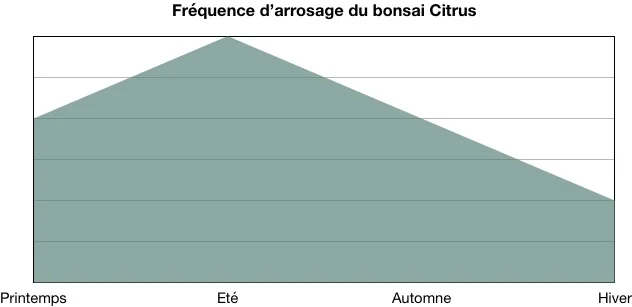
In summer and winter, watering should be done with a fine spray using the basin method. However, the frequency of watering and the citrus's water needs depend on several factors: the substrate mix, exposure to sunlight and wind, as well as the pot size. Generally, more watering is required in summer than in winter.
It’s crucial to allow the soil of the bonsai to dry between waterings. While the citrus does not tolerate drought, too much water can be equally harmful. For more details, refer to our guide on bonsai watering.
During heatwaves, watering should be more frequent. Depending on the size of the bonsai, daily watering may be necessary.
Repotting and Substrate
Repotting the bonsai citrus should take place in early spring (March-April), every two to three years depending on the age of the bonsai.
The soil must be light and well-draining. For beginners, a 100% Akadama substrate is recommended while learning about bonsai care and watering. More experienced growers can use a mix of 40% Akadama, 30% potting soil, and 30% gravel.
Fertilizers and Nutrition
Applying a slow-release organic fertilizer rich in nitrogen and potassium (such as Biogold or similar) is advisable every 2-3 weeks from early March to late June and from early September to late November. During summer and winter, reduce fertilization to once a month.
The role of fertilizer elements for bonsai:
- Nitrogen (N): Promotes and stimulates growth and leaf density.
- Phosphorus (P): Enhances root growth and disease resistance.
- Potassium (K): Encourages the development of flowers and fruits in the citrus.