🌿 How to Tell If Your Plant Needs Water: The Secret You Might Not Guess! 🌱
Knowing when to water your plants is crucial for their health. Here are simple methods to check if your plant needs water without complicated tools.
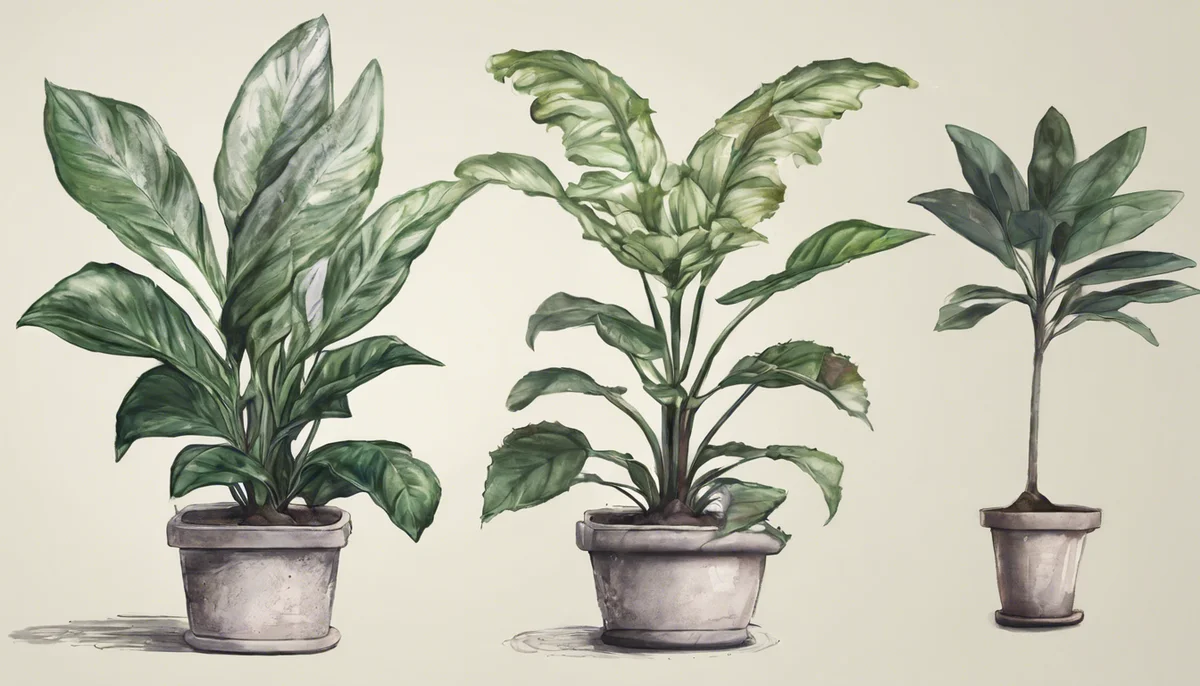
Watering a plant effectively starts with knowing when to do it. Overwatering can suffocate the roots, while insufficient watering can lead to dehydration, causing distress to the plant. Here are some simple and reliable indicators to check if your plant genuinely needs water, without complicated tools.
In short
To determine if a plant requires watering, check the soil's moisture rather than adhering to a fixed schedule.
- Finger Test: Insert a finger into the potting soil; if it's dry deep down, it's time to water.
- Pot Weight: A light pot indicates dry soil, while a heavy pot suggests moisture remains.
- Plant Signs: Wilting leaves, drooping stems, or soil pulling away from the pot's edges indicate thirst.
- Moisture Meter: For an accurate and immediate reading of soil moisture levels.
Recognizing a Plant's Water Needs

Every plant has unique water requirements, but a common principle applies to most: the state of the soil, not the calendar, should guide your watering schedule. Instead of watering on a fixed date, observe and test the soil's moisture before reaching for the watering can. The four methods outlined below complement each other and work well for both indoor and outdoor plants.
The Finger Method: Testing Soil Moisture

This is the simplest and most reliable test. Insert your finger into the soil up to the second knuckle. If the soil feels cool and moist, there's no need to water. However, if it's dry, the plant likely needs hydration. This technique is effective for most indoor and outdoor plants as it measures moisture where the roots are, rather than just at the surface.
Weighing the Pot to Estimate Moisture

Another useful indicator is to gently lift the pot of your plant. If it feels light, the soil is likely dry. Conversely, if it feels heavy, the substrate still contains sufficient water. With practice, you'll memorize the weight of a well-watered pot versus a dry one, allowing for quick assessments without even touching the soil.
Observing Plant Signs
Plants often show signs of water deficiency before it becomes critical. Look for drooping leaves, soft stems, or yellowing foliage. By being attentive to changes in your plants’ appearance, you can easily identify their need for water. However, be cautious: yellowing leaves might also indicate overwatering, highlighting the importance of cross-referencing with the finger test.
Using a Moisture Meter for Precision
For more precise readings, a moisture meter can be a handy tool. Insert the probe into the soil, and the device will instantly indicate the moisture level without dirtying your hands or relying solely on intuition. This is particularly useful for large pots where your finger can't reach the deeper roots, or for demanding plants that require close monitoring of soil moisture.
Avoiding Common Watering Mistakes
Once you've identified the right timing for watering, a few good practices can help you avoid common pitfalls:
- Avoid watering your plants in the evening: slower evaporation and stagnant moisture can promote mold growth.
- Use water at room temperature to prevent thermal shock to the roots.
- Water slowly to ensure that moisture penetrates the soil and reaches the roots instead of running off.
- Refrain from watering leaves or flowers to minimize the risk of disease.
Tailoring Watering to Each Plant
Each plant is unique, with its own water needs. Some thrive in consistently moist soil, while others, like cacti and succulents, prefer to dry out between waterings. Research the preferences of each plant you own; this is the best way to provide appropriate watering and combine the indicators mentioned above with each species' specific requirements.
Key Takeaways
- It's the state of the soil, not the calendar, that indicates when to water.
- The finger test and pot weight are sufficient for most plants.
- Wilting leaves or soil pulling away signal thirst; yellowing foliage may also indicate overwatering.
- The moisture meter provides precision for large pots or demanding plants.
- Water slowly, at room temperature, at the base of the plant, and never on the foliage.
Frequently Asked Questions
How often should I water an indoor plant? There is no universal frequency; it depends on the species, season, light, and pot size. Instead of following a fixed schedule, test the soil moisture (using either the finger method or a moisture meter) and water only when it is dry deep down.
How can I tell if I am overwatering my plant? Signs of overwatering include consistently soggy soil, yellowing and wilting leaves, and sometimes a stagnant soil odor. If the soil remains wet for several days and the pot feels heavy, reduce the frequency of watering and ensure proper drainage.
Does the finger test work for all plants? This method is suitable for the vast majority of indoor and outdoor plants, as it measures moisture at the root level. For very large pots where the finger cannot reach deep roots, a moisture meter provides a more reliable reading.
Is it better to water in the morning or evening? Morning is preferable: evaporation is quicker, and stagnant moisture at night can encourage mold. A slow watering approach, using room temperature water poured at the base of the plant, remains the safest method.