Watering Your Bonsai: When and How to Water?
Explore the essential aspects of watering your bonsai, including frequency, methods, and tips to keep your plant healthy.
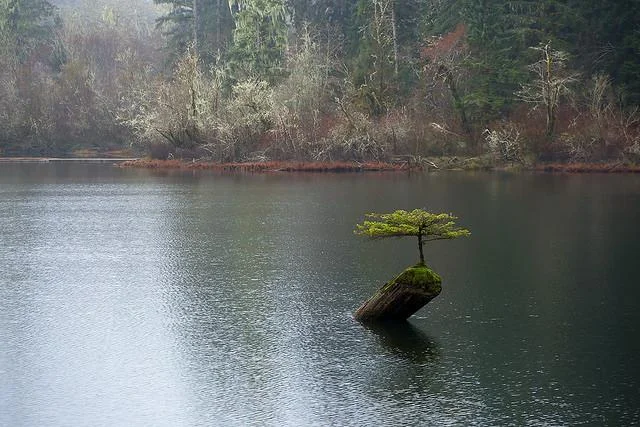
Watering is a crucial aspect of successfully cultivating a bonsai. However, it is also one of the most challenging elements to master. Both overwatering and underwatering can be detrimental to a bonsai's health. For those who are new to bonsai, common questions arise: Should I water daily? How much water should I use? In this article, we will cover the basics of bonsai watering and explore the factors that can influence how often you should water your bonsai.
Frequency of Watering and Water Needs
Determining a precise watering frequency for a bonsai is nearly impossible due to the numerous factors that can dry out the soil. Therefore, it is essential to regularly observe your bonsai and understand the factors that can affect its watering cycle and the amount of water needed. Generally, the more sunlight and light exposure a bonsai receives, and the smaller the pot it is in, the more frequently it will need watering. However, species and substrate type must also be taken into account.
Different Needs Based on Species
Each bonsai species has its own watering requirements. Outdoor species, such as maples and Chinese elms, typically need to be watered more frequently than indoor tropical species like ficus. Outdoor bonsai are exposed to sunlight, light, and wind, which can dry them out more quickly. Rainfall can also alter the watering frequency.
Seasonal Watering
Indoor tropical bonsai require more frequent watering during the summer and winter months when temperatures rise due to sunlight and dry air from heating. For outdoor bonsai, summer demands more frequent watering due to stronger sunlight and higher temperatures, along with exposure to drying winds. In autumn, winter, and spring, heavy rains may reduce the need for watering.
Sunlight and Light Exposure
Sunlight is a significant factor affecting watering frequency. The light and sun rays can heat the bonsai and its pot, leading to increased evaporation and transpiration, even in winter. Generally, the more sunlight an tree receives during the day, the more frequent the watering needs to be. However, a bonsai that receives morning sun will dry out less quickly than one that is in the afternoon sun.
Wind Exposure
Wind can dry out the surface of the substrate more rapidly, increasing transpiration in some species. This can shorten the intervals between watering.
Temperature and Humidity Levels
High temperatures can increase transpiration rates in bonsai, reducing the time it takes for the soil to dry out, even on cloudy days. It is important to consider humidity levels as well, as higher humidity decreases transpiration and water evaporation, thus extending drying times for the soil.
Pot Size
The size and depth of the pot significantly affect a bonsai's watering frequency. A bonsai in a small, shallow pot will dry out much faster than one in a larger pot. A larger volume of soil retains more water, increasing the time between watering. Additionally, the pot's drainage capabilities must also be considered.
Substrate Composition
The components of the substrate can greatly influence water retention. Materials like peat, vermiculite, and clay have better water retention properties, meaning that a substrate rich in these elements will require more frequent watering. Conversely, components like pumice and river sand do not retain water well, leading to reduced watering frequency. The granularity of the substrate also matters; larger spaces between grains promote aeration and drainage, which can increase watering needs.
Rainwater or Tap Water?
Tap Water
Using tap water is the simplest solution for watering bonsai, as it is readily available. However, it does have some disadvantages. City water often contains high levels of lime and chlorine, which can be harmful to certain species, such as azaleas, which prefer more acidic conditions. Using tap water may result in white spots on leaves or deposits around the trunk base.
If you must use tap water, there are methods to neutralize chlorine and lime:
- Boiling Water: Boiling tap water can neutralize lime, and letting it cool in an open container for several hours can make it suitable for watering. However, this method can become cumbersome with multiple trees.
- Filtering Water: Using a filter pitcher or a faucet-mounted softener is effective but can become expensive if you have many bonsai.
- Letting Water Sit: The least costly and simplest method is to let tap water sit in a container for a few days to allow chlorine to evaporate. This method also allows you to water your bonsai with water at room temperature.
Tip: If you have several bonsai, consider keeping one or two bottles of tap water on hand to ensure you always have a ready supply at the ideal temperature.
Rainwater
Rainwater is not only economical but also natural, free of chlorine, and rich in essential minerals for your bonsai. In their natural habitats, trees are nourished by rainwater. If you have a home with a garden or terrace, you can collect rainwater in a container or through a rainwater harvesting system.
How to Water a Bonsai
When it comes to watering, several methods can be employed:
Basin Watering
Basin watering is the most commonly used technique for bonsai. Contrary to what the name suggests, it does not involve submerging the bonsai in water but rather watering the tree uniformly with fine rain from above using a watering can with a fine spout. This method also helps remove dust and mites from the leaves.
However, it is not recommended for trees prone to powdery mildew, such as maples, oaks, or larches, nor for flowering bonsai or fruit trees. For these species, water directly onto the substrate.
Tips:
- Water generously until water drains from the pot's drainage holes.
- Use a watering can with a fine spout to avoid disturbing the substrate.
Watering Can
A bonsai watering can should have a finely perforated spout to allow for basin watering, simulating gentle rain without displacing the substrate. Bonsai watering can spouts are often narrower than standard ones, enabling more precise watering, which is beneficial for both small and larger bonsai.
The size of the watering can should correspond to the number of bonsai you have. A 0.7 L can is sufficient for a single bonsai but may be inadequate for multiple trees. In that case, opt for a 5L watering can, which can also be used for other plants such as tulips and roses.
Hose
For collections or multiple outdoor bonsai, a hose can be used, but it must be equipped with a nozzle or adjustable pressure sprayer, set to low pressure to prevent substrate displacement.
Tip: In summer, if the hose has been exposed to the sun for a long time, let the water run for a few seconds before watering the bonsai to cool it down.
Using a Water Bottle
For those living in apartments or without outdoor access, using a simple bottle of water may be necessary. However, this method is not compatible with basin watering due to the high pressure of the water. Instead, water only the substrate, taking care not to overwater.
Misting
Misting can be beneficial, especially for tropical bonsai, as it increases humidity around the plant. However, it should not replace regular watering, as it does not provide sufficient moisture to the soil.
Automatic Watering
For those who travel frequently, automatic watering systems can be a convenient solution. These systems can be programmed to deliver the right amount of water at scheduled intervals, ensuring your bonsai remains healthy even in your absence.
How to Check Soil Moisture
Understanding when to water your bonsai is essential. Here are some methods to check soil moisture:
- Soil Moisture Meter: A useful tool for measuring the moisture level in the soil accurately.
- Finger Method: Insert your finger into the soil; if it feels dry up to your first knuckle, it’s time to water.
- Toothpick Method: Insert a toothpick into the soil; if it comes out dry, the bonsai needs watering.
- Experience and Observation: Over time, you will learn to recognize the signs of a thirsty bonsai, such as drooping leaves.
Step-by-Step Watering Guide
- Assess the bonsai's environment (light, wind, humidity).
- Check the substrate moisture using one of the methods above.
- Choose the appropriate watering method based on the bonsai's needs.
- Water thoroughly, allowing excess to drain out.
- Monitor the bonsai regularly to adjust watering frequency as needed.
Tips and Tricks for Watering
- Two-Step Watering: Water in two phases to ensure deep saturation.
- Be Cautious of Overwatering: Always check the soil moisture before watering.
- Recycle Aquarium Water: Use water from your aquarium to nourish your bonsai.
- Winter Watering: Reduce watering during frost to prevent root rot.
Your Bonsai is Suffering from Drought
If you notice signs of drought stress, such as wilting leaves or dry soil, it may be time to adjust your watering routine. Regular observation and understanding of your bonsai's needs are the keys to successful cultivation.