The Wild Plant That Protects Your Crops and Charms Hedgehogs 🌿🐾
Often uprooted for their stings, nettles are invaluable allies for gardeners. They attract hedgehogs, nourish beneficial wildlife, and protect crops. Discover their benefits.
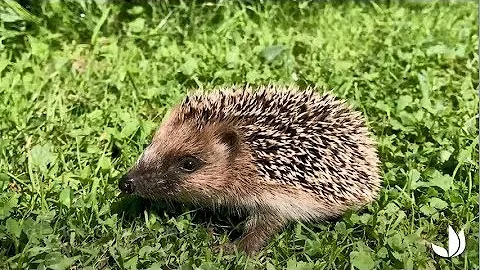
Often uprooted at the slightest sting, the nettle is actually one of a gardener's best allies. It attracts hedgehogs, nourishes beneficial wildlife, and discreetly protects your crops. Here’s why allowing it to grow can make a significant difference.
What is this plant, and what does it really do?
The plant in focus is the nettle. Far from being just a pesky weed, it provides shelter and food for hedgehogs—these nocturnal mammals that feast on slugs and snails—while supporting an ecosystem that preserves your crops without pesticides. Keeping it in a corner of your garden is a commitment to sustainable natural balance.
Nettles serve as a refuge and hunting ground for hedgehogs.
Their foliage nourishes caterpillars and butterflies, which are vital for pollination.
They attract beneficial insects that help regulate pest populations.
A pesticide-free garden fully benefits from these natural allies.
Nettles: The Magical Plant That Attracts Hedgehogs and Protects Your Garden
Often feared for their stings, nettles are being recognized as invaluable plants for biodiversity. Contrary to common belief, nettles are much more than invasive weeds; they are a hidden treasure for anyone looking to create a healthy and dynamic ecosystem. Both amateur and professional gardeners, whether at Jardiland or Leroy Merlin, are making efforts to reintroduce this plant into their flowerbeds.
In addition to providing shelter and food for hedgehogs, nettles fit seamlessly into ecological gardening strategies. Their prickly foliage can deter certain harmful insects while attracting beneficial species. This delicate yet essential balance is well understood by experts at Botanic and Gamm Vert.
The Benefits of Nettles for Ecologists and Growers
- Food for Pollinators: The leaves nourish caterpillars and butterflies, which are direct links in the garden's pollination chain.
- Reservoir of Vitality: Rich in vitamins and minerals, nettles support healthier and more robust surrounding crops.
- Natural Shelter: Stems and leaves provide refuge for hedgehogs and a variety of microfauna essential for ecological balance.
Additionally, the stems and leaves of nettles captivate hedgehogs. These natural structures offer protection from predators while promoting a balanced ecosystem. Choosing to welcome nettles into your garden should be as obvious as purchasing a new tool at Castorama.
Misconceptions About Reckless Uprooting
It’s easy to fall prey to the misconception that nettles are merely a nuisance. However, with a bit of imagination and respect for natural cycles, the many benefits of these seemingly cumbersome plants become evident. While their stings are feared, these plants are not invasive for no reason; they fulfill essential environmental needs. Truffaut often describes nettles as allies for both soil and wildlife.
Tip: Before uprooting a patch of nettles, observe it for a few days. If it already houses insects and serves as a pathway for hedgehogs, it’s better to keep it in a discreet corner rather than removing it entirely.
In conclusion, reintroducing nettles into your green spaces is primarily about investing in a sustainable balance that enriches and preserves biodiversity while transforming your garden into a haven for hedgehogs.
The Importance of Hedgehogs for Gardeners
Hedgehogs are more than just nocturnal picnic-goers; in a garden, they serve as invaluable allies. These small mammals, known for their appetite for slugs, snails, and various insects, act as effective biological control agents. During their nightly forages, they roam the garden in search of food, helping to clear plants of pests. Floralux and Seedles promote the peaceful coexistence of these precious allies.
Hedgehogs play a crucial role in regulating pest populations. Their presence helps gently keep slugs and snails away from your precious plants. This natural inclination towards harmful insects makes hedgehogs indispensable for pesticide-free gardening, as advocated by the avenue du Bois.
Creating a Haven for Hedgehogs: Simple Tips
To Do:
- Prefer organic solutions over pesticides, as suggested by Plantes et Jardins.
- Leave natural refuge areas: piles of leaves, a patch of nettles, or low hedges.
- Provide fresh water, changed regularly.
- Create loose soil bands to facilitate their search for food.
To Avoid:
- Using poisoned slug pellets or pesticides that affect the food chain.
- Mowing too close to the ground and removing all shelter.
- Sealing off the garden without allowing ground-level access.
- Systematically uprooting nettles out of reflex.
Embracing hedgehogs alongside other natural methods raises awareness of the benefits of ecologically responsible gardening. The ultimate reward lies in a space where both fauna and flora can thrive freely.
Enhancing Biodiversity Through Nettles
Returning to our star plant: the nettle. It is a true asset for diversity, acting as an ideal intermediary between fertile soil and active fauna. By retaining nettles, a garden enhances its appeal to both beneficial insects and friendly predators. Bricorama and other experts in rare and magical plants, like those showcased on Seedles, are well-versed in biodiversity.
| Factor | Impact on Biodiversity | |----------------|----------------------------------------------------| | Presence of Nettles | Attraction of butterflies and pollinator insects | | Soil Coverage | Natural habitat for hedgehogs | | Absence of Pesticides | Partial support for healthy species reproduction |
While some continue to uproot these valuable plants due to persistent biases, sectors like Gamm Vert and Leroy Merlin praise their educational and medicinal virtues. Under an unacknowledged radar, a true botanical and animal wealth is revealed to various appreciative spectators.
The Secrets to a Thriving Natural Garden
Nestled among the aisles of modern gardening supermarkets, the intimate dialogue between your plants and your spiky friends begins with a conscious understanding of natural cycles. Floralux contributes to research on the well-being of tiny inhabitants in the shadows, a shared aspiration of Jardiland and Botanic.
Towards a Sustainable Balance: The Role of Each Plant
Maintaining a garden naturally does not require sacrificing modern innovations. Effective solutions arise from a synergy between science and art. The thoughtful integration of diverse plants signals an unchanged richness and a more vibrant pastoral display.
- Maintaining Natural Resources: Choosing planting and maintenance based on the ecosystem rather than against it.
- Modern Techniques: Automating water conservation and employing proven biological methods.
- Partnership with Wildlife: Welcoming every species—hedgehogs foremost—to ensure prosperity and balance.
Learning from the trends and experiences of gardening pioneers, as Bricorama reminds us, contributes to forging a new era for a harmonious and vibrant garden.
By combining the wise teachings of the past with the hope of future discoveries, one becomes a gardener capable of cultivating a reflection of life as it evolves serenely, here and now.
Key Takeaways
The plant often uprooted is the nettle: an ally, not a nuisance.
It provides shelter and sustenance for hedgehogs, natural regulators of slugs.
Foliage and roots nourish a beneficial fauna essential for pollination.
Without pesticides, balance is established, providing long-term protection for crops.
Keeping a patch of nettles is enough to transform your garden into a biodiversity refuge.
Frequently Asked Questions
What is this plant often uprooted that attracts hedgehogs? It is the nettle. Frequently removed due to a lack of awareness of its virtues, it serves as a shelter and hunting ground for hedgehogs and nourishes beneficial fauna in the garden.
Why are hedgehogs useful in the vegetable garden? Nocturnal and heavy consumers of slugs, snails, and insects, hedgehogs act as biological control agents. Their presence helps limit pests without resorting to pesticides.
How can I attract hedgehogs to my garden? Leave wild areas (a patch of nettles, piles of leaves), ban pesticides and slug pellets, provide fresh water, and create a ground-level passage between gardens.
Should I really keep nettles despite their stings? A simple patch of nettles, away from pathways, is enough to benefit from their advantages without discomfort. They are not invasive by chance; they respond to ecosystem needs and support biodiversity.