Protecting the European Hedgehog in Our Gardens!
Our mission to save the European hedgehog is underway! Discover our project to protect this threatened species in our gardens.
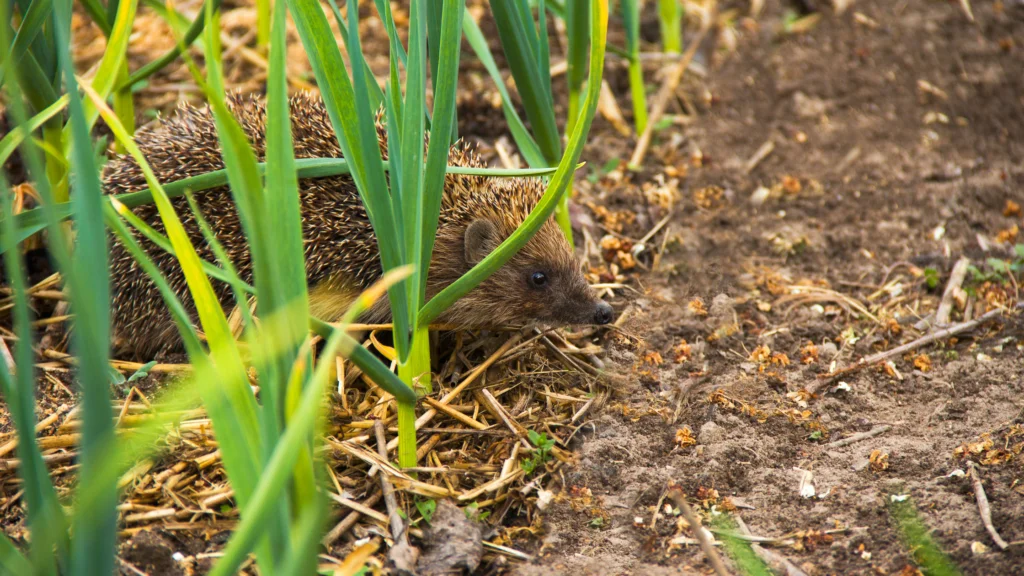
Protecting the European Hedgehog in Our Gardens!
Our mission to save the European hedgehog is underway! Thanks to your votes in the ecological participatory budget of the Île-de-France region, we have secured up to 8,000 euros in funding to enhance the survival of this species, which is currently threatened by human activities. Discover our project!
✍️ Milena Bauchet • 📸 Canva, Pexels & iStock

Summary
⚠️ The European Hedgehog: A Species Nearly Threatened with Extinction
- The Global Red List of Threatened Species
- Why Is Immediate Action Necessary?
🦔 Getting to Know the Hedgehog to Better Protect It
- Identification: Erinaceus europaeus – European Hedgehog
- Garden Enhancements for Hedgehog Protection
- Tips for Assisting Hedgehogs
🗳️ Jardinot: Winner of the 2025 Ecological Participatory Budget in Île-de-France
- Preserving Hedgehogs in Our Community Gardens!
- Support Our Project
⚠️ The European Hedgehog: A Species Nearly Threatened with Extinction
The Global Red List of Threatened Species
Thanks to the scientific assessments by the International Union for Conservation of Nature (IUCN), we can track biodiversity changes annually across all regions of the world. The global Red List of threatened species catalogues all plant and animal species at risk, detailing the nature and extent of the threats they face based on a precise methodology developed by experts.
By 2026, according to the IUCN, threatened species include: “one in four mammals, one in seven birds, more than one in three amphibians, and one-third of conifer species.”
This alarming reality has awakened the awareness of many citizens, prompting actions at individual levels to combat this crisis. The IUCN aims to advocate for actions that can mitigate this catastrophe at the levels of citizens, communities, and states.
Why Is Immediate Action Necessary?
The gradual disappearance of species disrupts the balance of flora and fauna! A major concern is that certain harmful species are left without predators; they reproduce unchecked, leading to the spread of diseases detrimental to the environment and health – a process accelerated by globalization and climate change.
The hedgehog, classified as nearly threatened with extinction since October 2024, necessitates all possible measures to maintain or increase its population. This is especially critical as hedgehogs are valuable allies for gardeners, feeding on pests such as slugs!
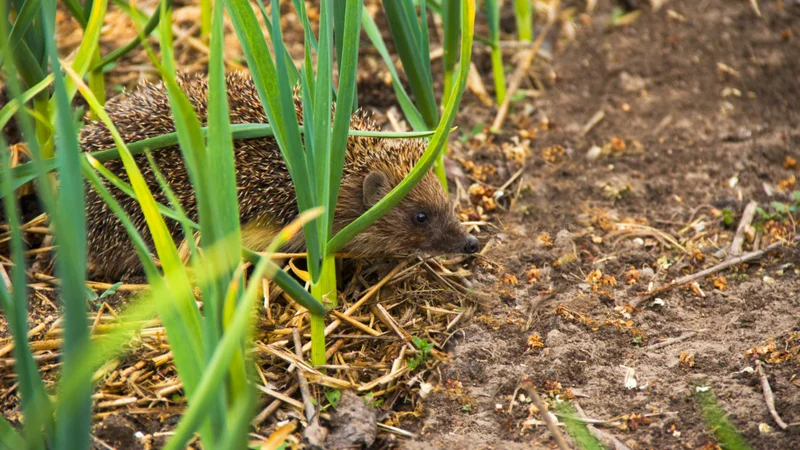
The hedgehog, classified as nearly threatened with extinction since October 2024, is a gardener's ally, feeding on pests like slugs!
Unfortunately, urbanization severely disrupts the hedgehog's lifestyle, as fences restrict its movement. Additional threats include vehicles, domestic animals, pesticides, lawnmower accidents, inappropriate human feeding, and diseases. A hedgehog can travel up to 3 to 4 kilometers each night in search of food and may roam over 100 hectares throughout its life! Therefore, it is crucial to take action to protect its habitat.
🦔 Getting to Know the Hedgehog to Better Protect It
Identification: Erinaceus europaeus – European Hedgehog
🌳 HABITAT Western Europe Underbrush, hedgerows, meadows, parks, and gardens
🌗 LIFESTYLE Semi-nocturnal Hibernates from October to April
🪱 DIET Earthworms, snails, slugs, worms, caterpillars, spiders… Occasionally lizards, frogs, rodents, eggs, fruits, mushrooms…
🦔 REPRODUCTION March-April to August 2 litters per year: 35-40 days gestation, weaning 20 days after birth, independence of young after 40 to 60 days
🦅 MAJOR PREDATORS Badgers, raptors
📌 STATUS The hedgehog and its habitat are protected in Europe under articles L. 411-1 and L. 411-2 of the Environmental Code: it is prohibited to disturb or harm them in any way (destruction, mutilation, capture, disturbance, relocation, transport, possession, sale…).
🔗 Source: LPO
Garden Enhancements for Hedgehog Protection
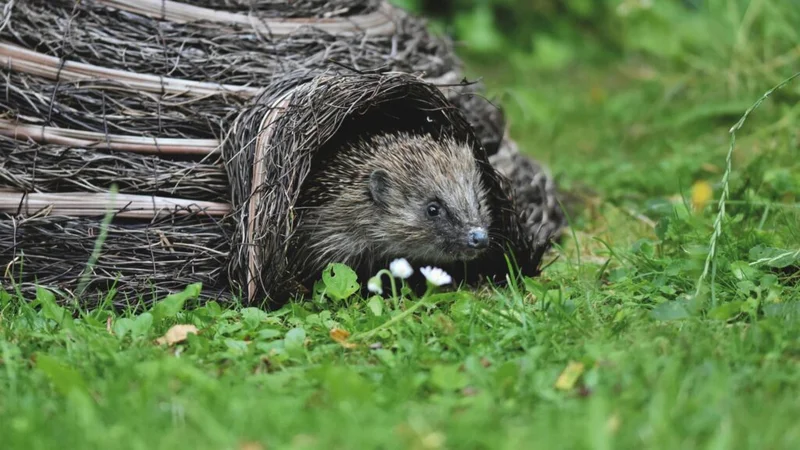
Hedgehog Shelters
These are specially designed refuges that cater to their size and lifestyle. Recommended by the LPO, hedgehog shelters are typically small, sturdy and thermoregulating niches that protect them in all seasons, especially from autumn rains and winter cold. They blend into the surroundings and, if placed correctly, do not attract the attention of predators: choose a calm location that is generally sheltered from the weather, at the edge of the property.
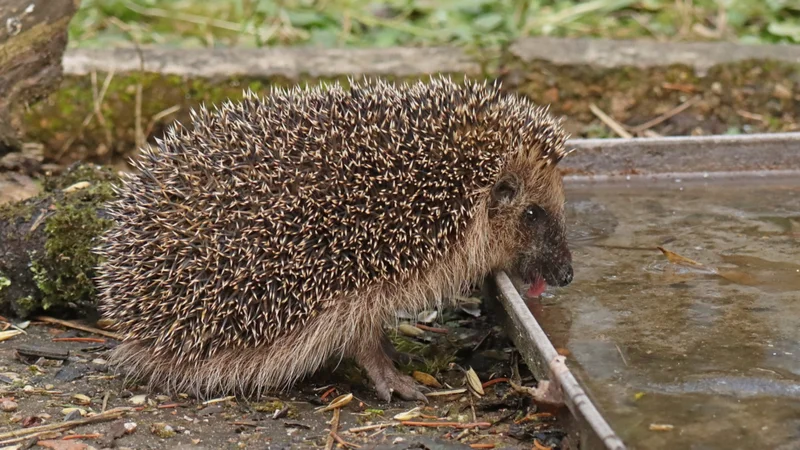
Drinking Stations
Water sources are essential for hydrating hedgehogs, particularly during hot periods when water may be scarce in the garden. However, caution is needed to prevent drowning! To mitigate this risk, AEI Asso recommends a wide, shallow ceramic container that you should refill and clean regularly.
Image: Video of using the tracking tunnel by Terre vivante
Tracking Tunnels
Placed in gardens, these serve to study the presence of hedgehogs once per season over multiple years. You can build one yourself or use a kit, such as the one offered by the LPO as part of its “Hedgehog Mission,” a citizen science program open to the public to study the evolution of hedgehog populations in private gardens across France.
How to proceed? Set up the tracking tunnel for 5 consecutive nights along your hedge and place bait inside to attract the hedgehog during the night. In the morning, photograph the footprints and record them on the official survey website.
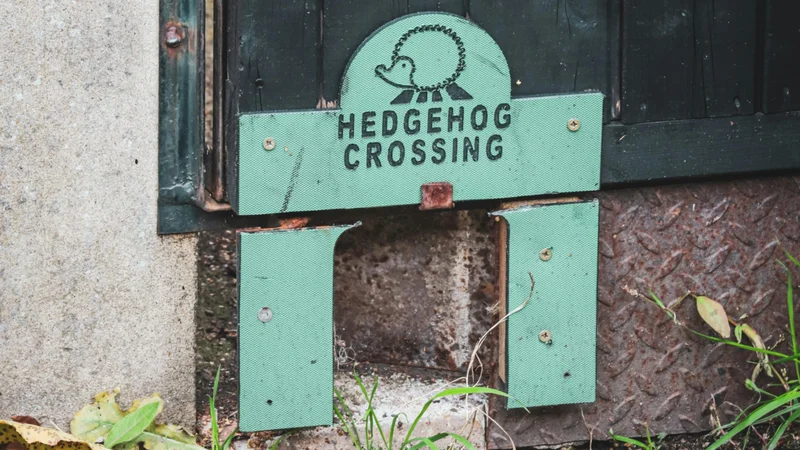
Hedgehog Passages
Simply cut holes in your hedges to greatly facilitate hedgehogs' movements in search of food in the garden – especially if you inform your neighbors. To ensure that these passages are accessible only to hedgehogs and not to predators or domestic animals, create openings of 13 cm by 13 cm at the base of each hedge or fence. Be careful not to leave any protruding sharp materials (e.g., barbed wire) that could injure the passing animal.
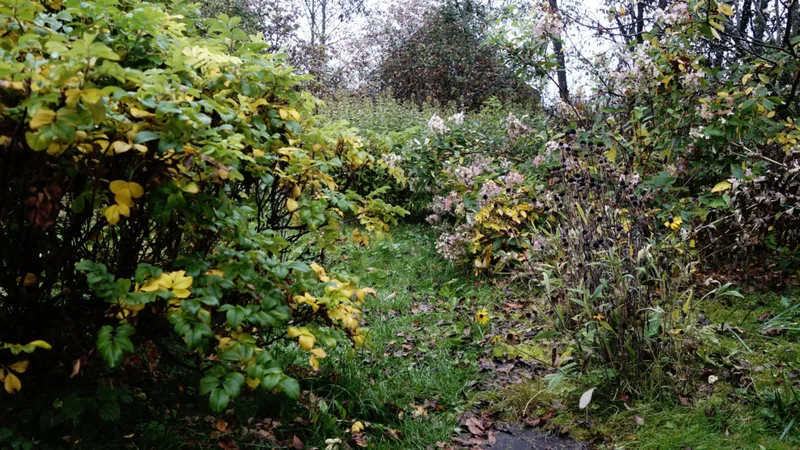
Tips for Assisting Hedgehogs
To best assist hedgehogs, it is advisable to do as little as possible: ensure you respect their need for tranquility and avoid touching or feeding them unless they appear to be in distress (see advice below). However, you can transform your garden into a haven where they feel secure:
🔸 Leave your garden wild 🔸 Pile up dead leaves, branches, and fruits 🔸 Plant refuge hedges 🔸 Set up an anti-drowning device: a board they can cling to in a pond
Have you found a hedgehog in poor health?
🔸 If it is weak, you can feed it with egg (hard-boiled or scrambled), kibble, and water 🔸 If it is sick or injured, handle it carefully (wear gloves), shelter it in a box filled with newspaper before taking it to the nearest veterinarian or wildlife rehabilitation center.
🗳️ Jardinot: Winner of the 2025 Ecological Participatory Budget in Île-de-France
Launched in 2020, the ecological participatory budget of the Île-de-France region aims to support projects from associations, communities, and local public structures around six themes: “food, green spaces and biodiversity, cycling and clean daily mobility, cleanliness, waste prevention and management, circular economy, renewable energies and energy efficiency, and environmental health.” Projects are submitted for citizen voting, with winners receiving assistance for implementation. In 2025, 853 projects were selected as winners.
Jardinot is a winner of the 2025 edition of the ecological participatory budget in the Île-de-France region. Photo credit: Île-de-France Region
Preserving Hedgehogs in Our Community Gardens!
Remember, last June, we called on you to support this project that is close to our hearts: preserving hedgehogs in our gardens!
Thanks to your votes, we secured up to 8,000 euros in funding from the Île-de-France region, which will allow us to promote the survival of this species now threatened by human activities. To this end, we plan to install in our community gardens:
- Hedgehog shelters, drinking stations, and tracking tunnels to study their presence,
- Hedgehog passages in the fences of our community gardens (noting that a community garden typically covers about 1 hectare at Jardinot),
- Educational panels to raise awareness among all gardeners about this initiative.
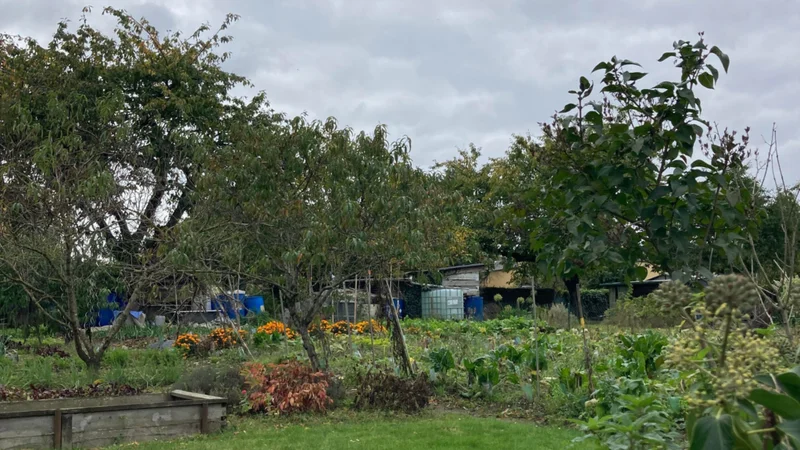
The community gardens of Jardinot provide the ideal setting for these installations: pesticides are prohibited, mowing is done thoughtfully, and slugs, insects, and grass are abundant!
Support Our Project!
In 2026, let’s protect hedgehogs in our gardens!
Want to follow the progress of the project and the achievements of Jardinot members in the community gardens of Île-de-France? Interested in training with us on welcoming wildlife in the garden or participating in a practical workshop to learn how to build a hedgehog shelter? Subscribe to our monthly newsletter, l’Actu Jardinot, to receive updates from us!
And in the meantime, test your knowledge about threatened animal species with our card game, available for download on our resources page and printable at home!
Resources:
– Books and Websites –
🔹JOURDE, Philippe. The European Hedgehog. Delachaux and Niestlé, 2020. 216p. EAN13: 9782603027202
🔹__NEUMIER, Monika. Saving Hedgehogs. Protecting and Welcoming Hedgehogs in the Garden, 2024. 80p. EAN: 9782036044890
🔹 FRANCE. IUCN. Global Red List [online]. [Ref. January 9, 2026]. Available at: https://uicn.fr/especes/liste-rouge-mondiale/
🔹 FRANCE. AEI-ASSO. We Found Thirsty Hedgehogs in the Garden: This Simple Gesture Can Save Their Lives [online]. [Ref. January 12, 2026]. Available at: https://www.aeiasso.org