How to Create a Benjes Hedge and Its Benefits
Discover how to create a Benjes hedge, its ecological benefits, and practical tips for building and maintaining this unique gardening feature.
How to Create a Benjes Hedge and Its Benefits
July 22, 2026
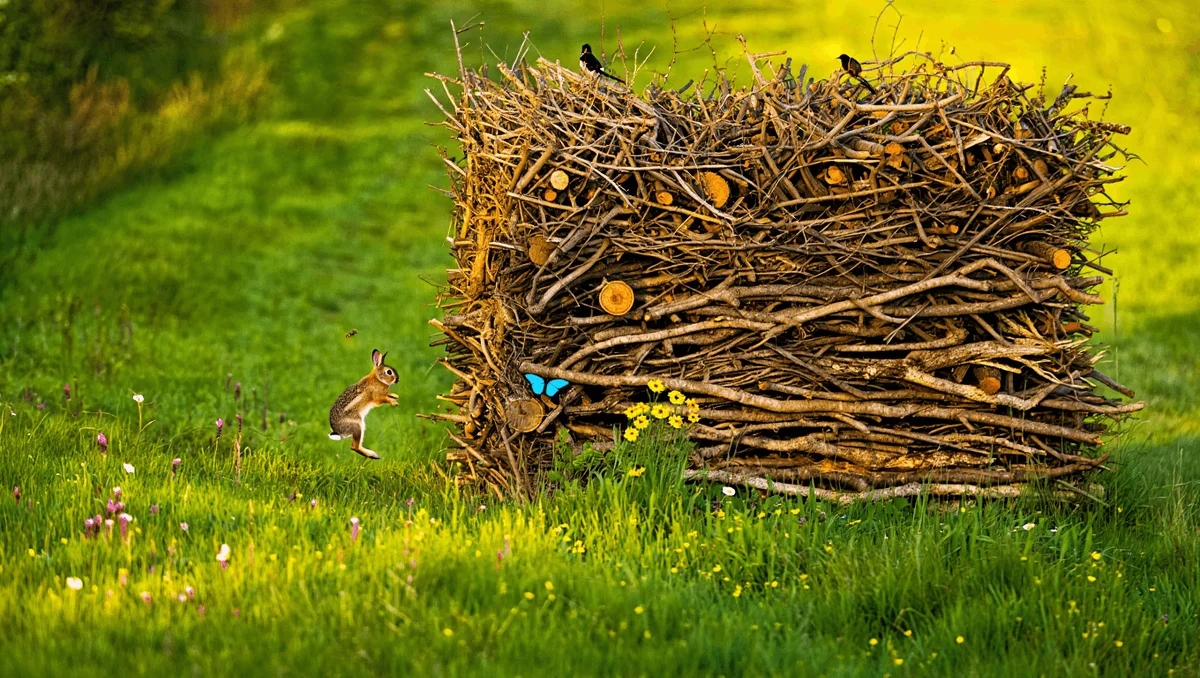
The dry hedge, commonly known as the Benjes hedge or dead hedge, is making a resurgence in gardens that prioritize biodiversity and circular economy practices. This approach merges natural aesthetics with ecological functionality, providing habitats for insects, birds, and small mammals while also serving as a windbreak and support for various crops. Enthusiasts of permaculture and green space managers are rediscovering this straightforward technique that utilizes dead wood and aids in reconstructing local ecological corridors.
What is the Principle of a Benjes Hedge?
A Benjes hedge is constructed using a framework of vertical stakes, within which horizontal branches and dead wood are stacked. This dense structure forms a quickly assembled physical barrier that gradually decomposes over time.
As the wood breaks down, saproxylic organisms, fungi, and soil fauna transform it into humus, enhancing local soil fertility. This method honors traditional practices while addressing contemporary habitat restoration challenges.
What Benefits Does It Provide for Biodiversity and Gardens?
The dry hedge acts as a genuine ecological refuge. Numerous xylophagous insects, spiders, beetles, and birds find food, shelter, and breeding sites within its confines.
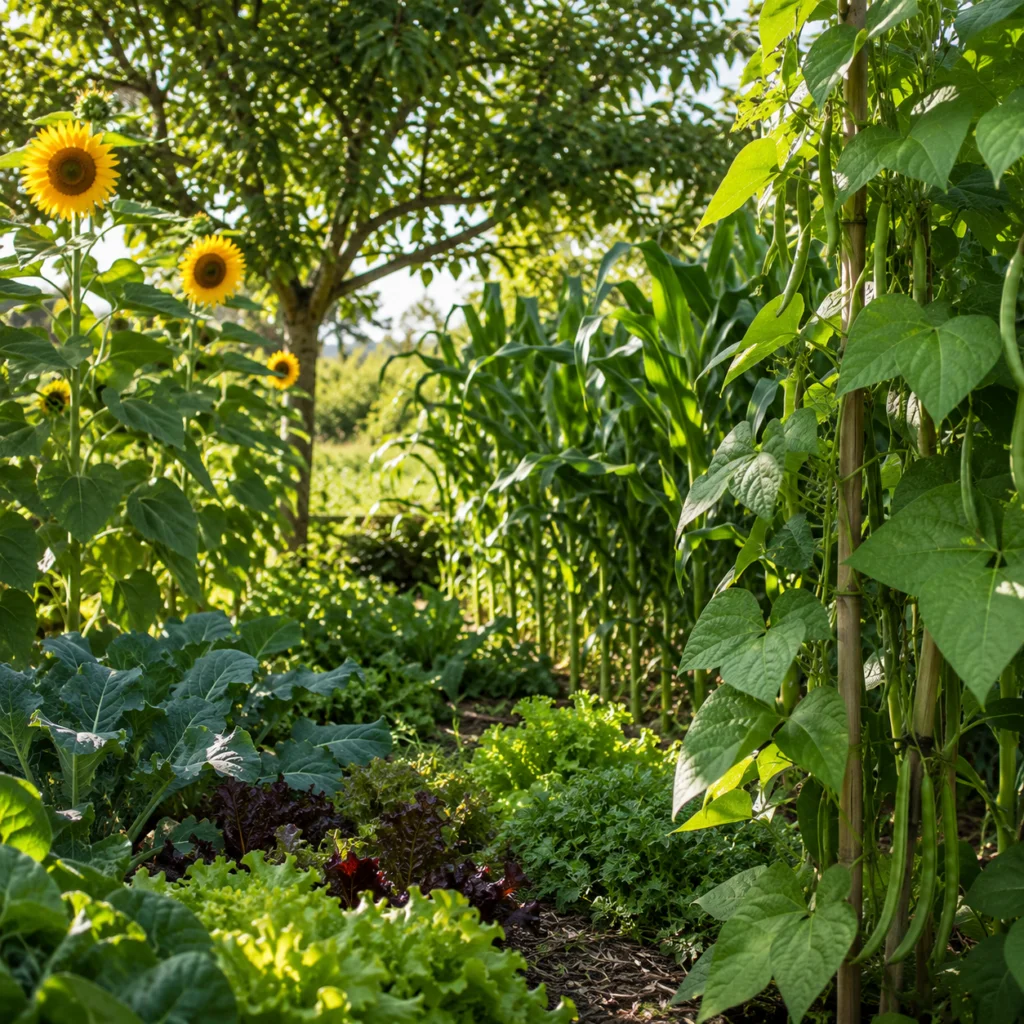
Additionally, it positively influences the microclimate around vegetable gardens by reducing wind and retaining moisture. This effect allows certain crops, such as squash and climbing plants, to thrive as they wrap around the hedge or benefit from the enriched soil.
How to Build an Effective Dry Hedge?
The first step involves gathering and sorting branches from your pruning activities. Choose the sturdiest stakes, approximately 6 to 8 cm in diameter and about 1.20 m long, to achieve a usable height of around one meter.
Position the stakes in two rows spaced according to your desired effect, and fill the space with horizontally laid branches, ensuring a mix of lengths and diameters. Maintain a uniform stack without creating sealed spaces to preserve cavities beneficial for wildlife.
Materials and Practical Tips to Get Started:
- Tools: hammer, sturdy gloves, pruner, and short saw.
- Materials: straight stakes, assorted branches, fallen leaves, and, if available, roots or plant waste.
- Tip: alternate between thinner and thicker layers to create niches and promote decomposition.
Can a Dry Hedge Evolve into a Live Hedge, and What to Plant?
It is common to gradually transform a dead hedge into a live one by inserting cuttings of willows, hazelnuts, or other shrubs along the framework. These species take root in the intertwining wood, ultimately reinforcing the structure while adding foliage and blooms.
If you wish to include climbing plants, honeysuckle or woodland clematis adapt well to this type of support. Enriching the core of the hedge with leaves and compost accelerates humus formation and provides a favorable substrate for young plants.
What Practical Roles Does the Benjes Hedge Play in the Garden?
Beyond providing shelter, the dry hedge serves multiple useful and complementary functions. It mitigates wind, regulates local precipitation, and creates interconnected biodiversity zones.
You can also utilize it as a growing support or as a decorative element in a naturalistic design. By valorizing dead wood, it reduces green waste and contributes to a more sustainable management of your land.
| Criterion | Benjes Hedge | Traditional Trimmed Hedge | |--------------------------|------------------------------------------|---------------------------------------| | Installation Time | Quick, several hours to a few days | Longer, planting and growth over years | | Cost | Very low if using your own branches | Variable cost between plants and maintenance | | Biodiversity | Very high for saproxylic fauna and birds| Good if diversified, but often fewer cavities | | Maintenance | Low, requires monitoring of compaction and evolution | Regular, involves pruning and management |