Permaculture Calendar: August Activities for Your Garden
Discover essential gardening tasks for August in your permaculture garden, including harvesting, planting, and caring for your crops.
Permaculture Calendar: August Activities for Your Garden
by Jean-Baptiste | July 31, 2026
August in the garden is primarily a time for harvesting. However, for those looking to extend their harvest into the fall and winter months, this is an ideal time to establish new crops. While some may be enjoying their summer vacations, there is plenty to keep gardeners busy during this month!
Key Activities for August
- Taking cuttings of semi-ripe wood
- Changing water in animal troughs
- Protecting your crops
- Additional tasks for the garden this month:
- Caring for small fruits
- Using water to "fertilize"
- Mulching potted plants
- Drying your harvest
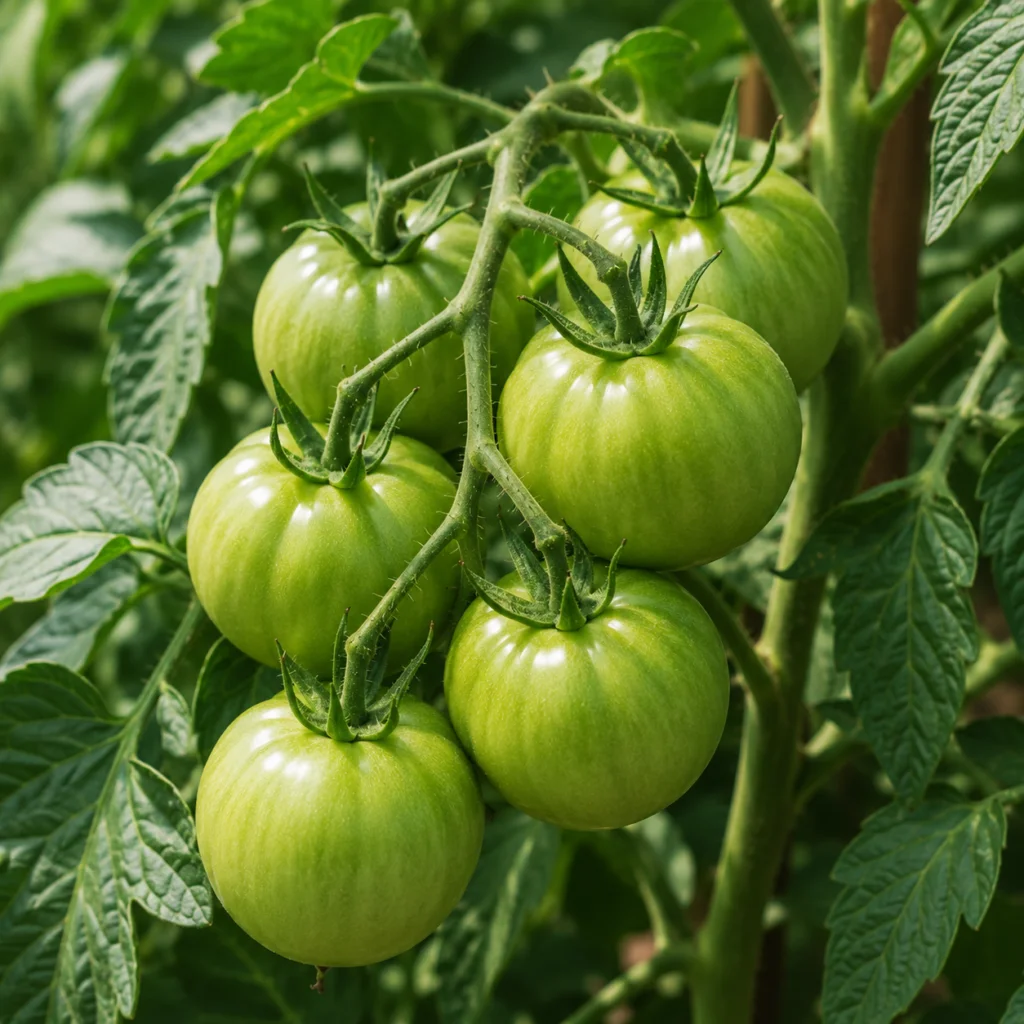
- Addressing curled tomato leaves
- Weakening the most persistent perennials
- Creating your own Provence herbs
- Enjoying raspberries all season long
- Sowing lamb's lettuce, generous and prolific
Taking Cuttings of Semi-Ripe Wood
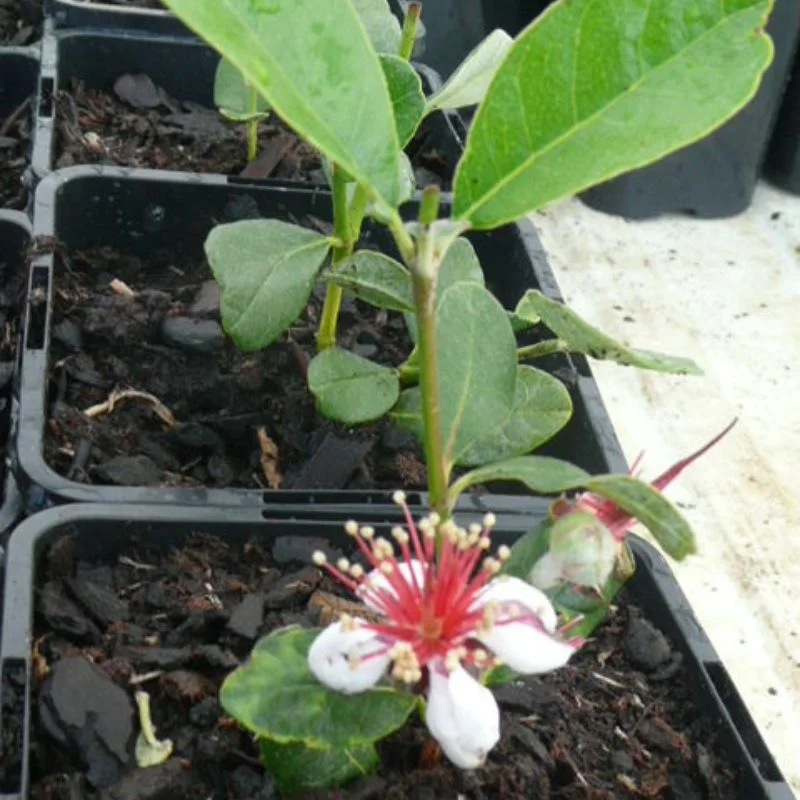
To propagate perennials and shrubs, select 7 or 8 cuttings that have grown this year. Trim them by removing leaves from the lower 10 cm, then plant them in a deep pot or nursery bed in your garden. Keep these cuttings shaded and slightly moist. They can be transplanted in the following spring once they have established sufficient vigor. It’s best to wait until mid-August for the cuttings to be well lignified.
Changing Water in Animal Troughs
If you have animals, it’s essential to regularly change the water in their troughs. In the heat of summer, water can quickly become warm and a breeding ground for bacteria. Make sure to place the troughs in shaded areas to prevent overheating and allow your animals to drink in comfort. Choosing a clear spot can also deter predators like cats.
Protecting Your Crops
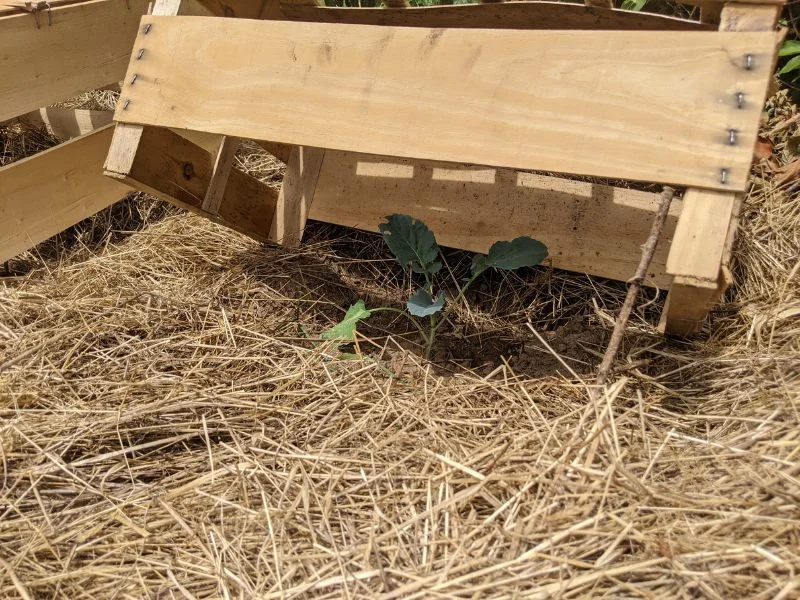
As temperatures rise, the sun can become too intense for young plants. During hot days, it’s wise to shield the cotyledons and initial leaves of newly planted seedlings. Using shading cloth or whitewash can help cool greenhouses in summer. For outdoor crops, upside-down crates can provide effective UV protection for fragile young shoots. Leave these protections in place for a few days after planting.
Additional Tasks for the Garden in August
Here are some more activities to consider:
- Check for cabbage white butterfly eggs under cabbage leaves to prevent caterpillar infestations!
- Prune trees using gentle pruning techniques, and use the trimmings as mulch around fruit trees.
- Collect seeds from your best fruits, such as tomatoes and peppers, during meal prep.
- Save fruit pits for future fruit tree sowing!
- Dry fruits during hot spells; figs are particularly good for this. Cut them in half, lay them out, and cover with a mosquito net to protect from insects.
Caring for Small Fruits
After harvesting currants and gooseberries, take the opportunity to maintain these plants to encourage future fruit production. They thrive on organic matter like grass clippings, fallen leaves, and pruning residues. They prefer a woodland-like environment, so consider adding some dead wood to their area.
A little weeding, soil aeration, and adding organic material will stimulate the growth of future fruit-bearing branches. Enjoy those delicious fruit harvests!
Using Water to "Fertilize"
Never underestimate the power of water in the garden! It is crucial for the mineralization of organic matter. Maintaining slightly moist soil helps make minerals more available to plants. Instead of searching for homemade fertilizer recipes, ensure your soil remains consistently hydrated.
Mulching Potted Plants
Protecting the soil of your potted plants can significantly reduce the need for watering and help nourish your crops gently. Start with a layer of green material, such as finely chopped comfrey or nettle. Follow with a one-centimeter layer of wood chips or finely shredded leaves. This method not only limits watering but also looks attractive in your garden. Be cautious not to mulch non-woody cuttings, as fragile stems may rot.
Drying Your Harvest
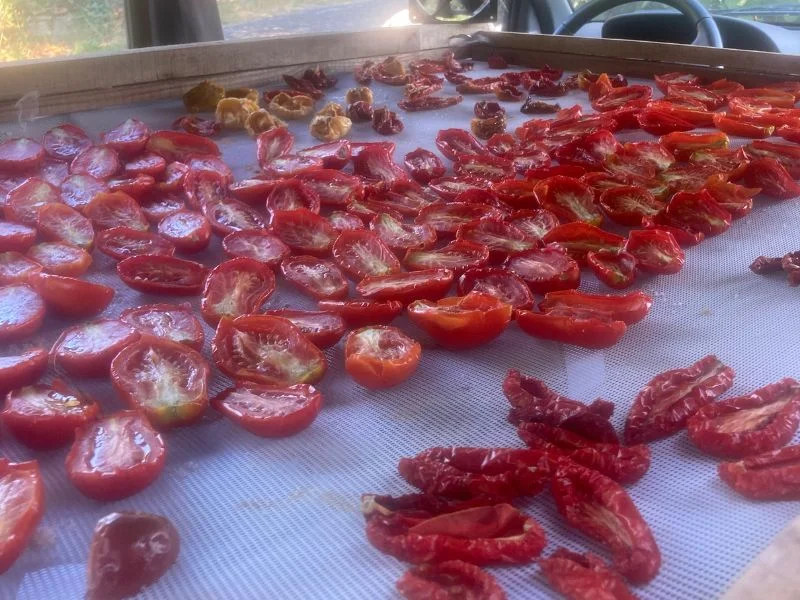
Drying your harvest in the sun is an enjoyable activity! Set up a table with a cloth and possibly a mosquito net to keep flies and wasps away. For optimal drying, consider bringing the plants indoors each evening to avoid morning dew. You can also wait for a heatwave to ensure thorough drying. Above all, remember to enjoy the process!
Addressing Curled Tomato Leaves
If you notice curled leaves on your tomato plants, don’t worry; this symptom generally has a minimal impact on production and growth. If your soil is dry, be sure to water to eliminate the possibility of drought stress. To prevent this issue, consider the following tips:
- Water your soil regularly
- Avoid excess nitrogen
- Do not plant in waterlogged soil
- Mulch the soil if possible
Implementing these measures should help reduce the number of affected plants.
Weakening the Most Persistent Perennials
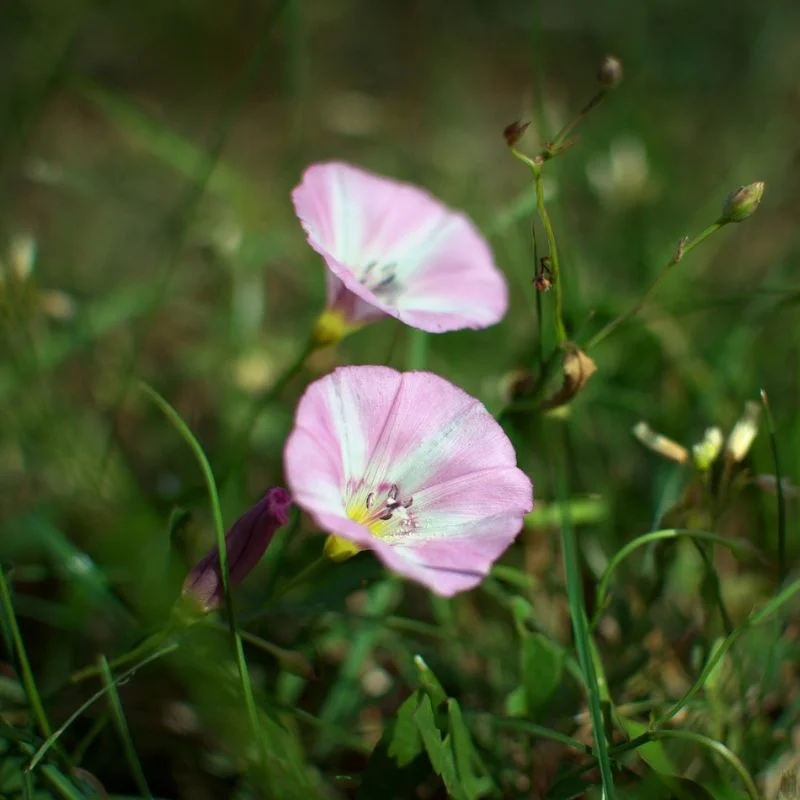
Weeds like bindweed, thistle, and couch grass can be quite challenging for gardeners. One effective approach is to use long-term tarping: cover the area for a year before planting. This can destroy over 90% of perennials, provided you edge the tarp with a spade to cut any roots trying to nourish the weeds from the outside.
Alternatively, a non-plastic solution involves regularly cutting these plants down to their collars. This technique prevents them from storing energy and weakens their growth. While it may not be a complete solution, the effort-to-result ratio is quite favorable!
Creating Your Own Provence Herbs
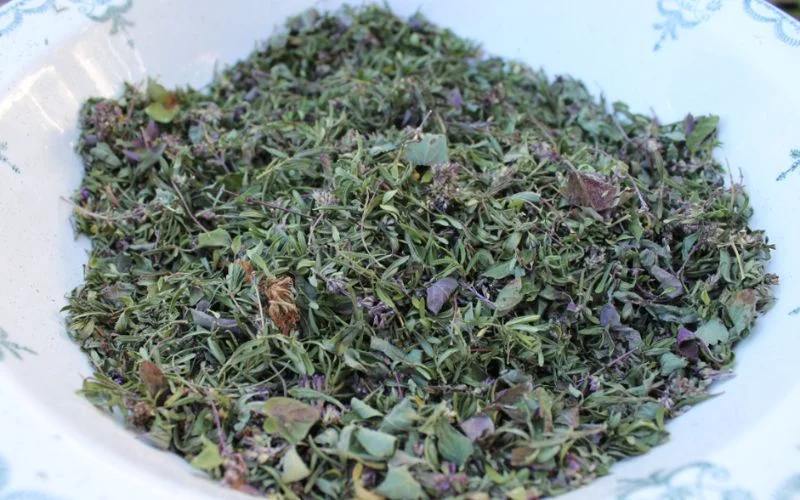
Making your own dried herb blends is simple and far tastier than store-bought options. Now is the perfect time to capture those flavors in jars for use throughout the year!
Enjoying Raspberries All Season Long
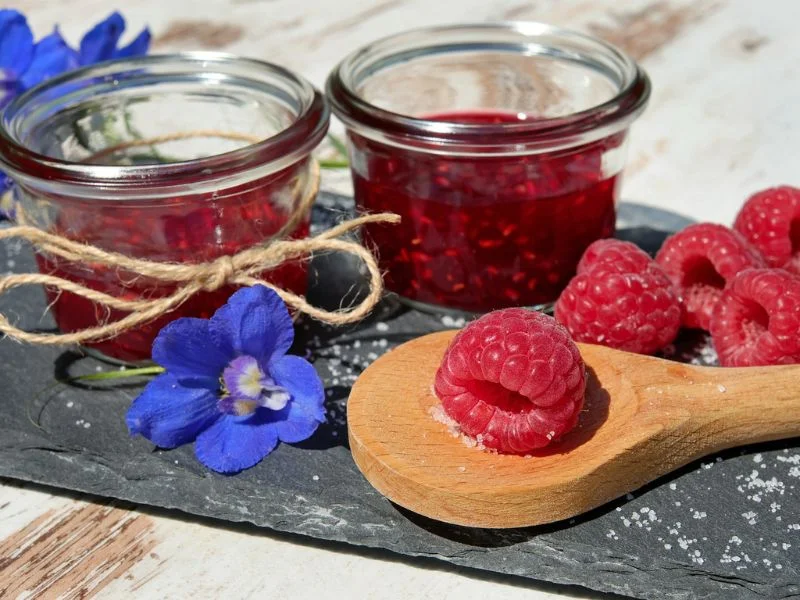
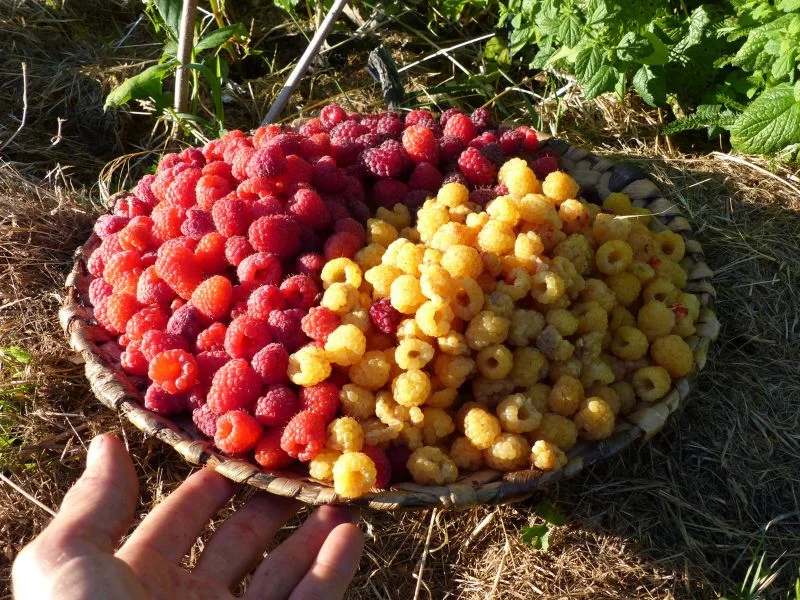
To enjoy raspberries throughout the season, cultivate both unifera and bifera (or remontant) varieties. Unifera raspberries produce in spring, while bifera varieties yield fruit in both spring and late summer. To encourage bifera varieties to produce in mid-summer, prune all canes back to the ground in winter. This will delay the spring harvest but allow for a later summer yield. You can divide your raspberry plants into three zones: one for unifera and two for bifera, alternating the pruning. This method allows for a continuous raspberry harvest all summer long.
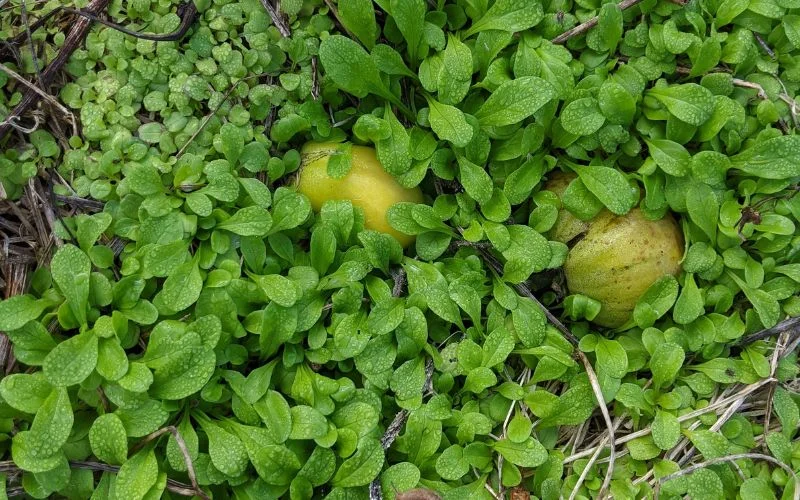
Sowing Lamb's Lettuce: Generous and Prolific
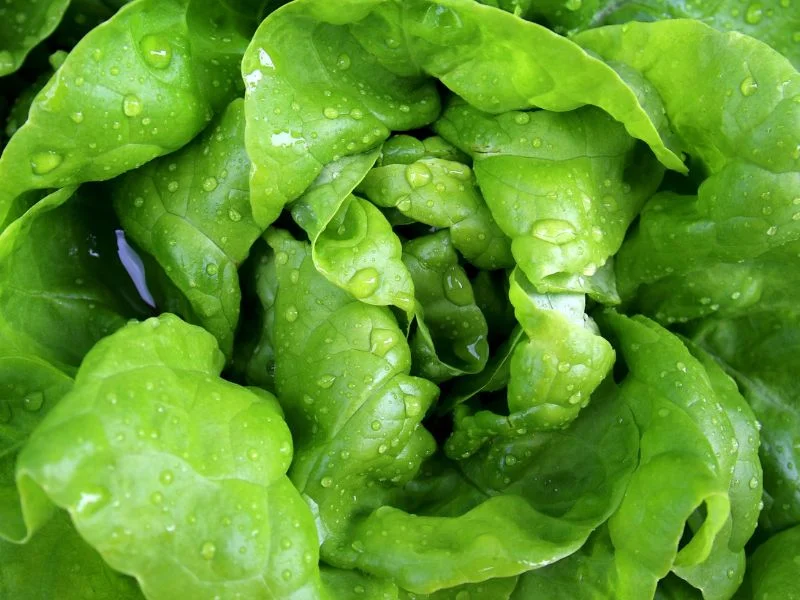
Lamb's lettuce can be sown directly in the ground starting in August. Although it takes time to germinate, patience is key. If you prefer a quicker option, you can plant ready-made seedlings in mini clumps starting from August 15. In subsequent years, try to leave as many plants as possible to go to seed; lamb's lettuce is very prolific and will self-seed in late summer, allowing you to harvest seedlings in September and transplant them as desired. Over the years, your beds will be filled with seeds, and you’ll find them sprouting everywhere!
For more information on tasks and sowing reminders, check out our monthly permaculture calendar articles!