Understanding the Dietary Preferences of Ants
Explore the diverse dietary preferences of ants, their feeding behaviors, and how their adaptability contributes to their ecological success.
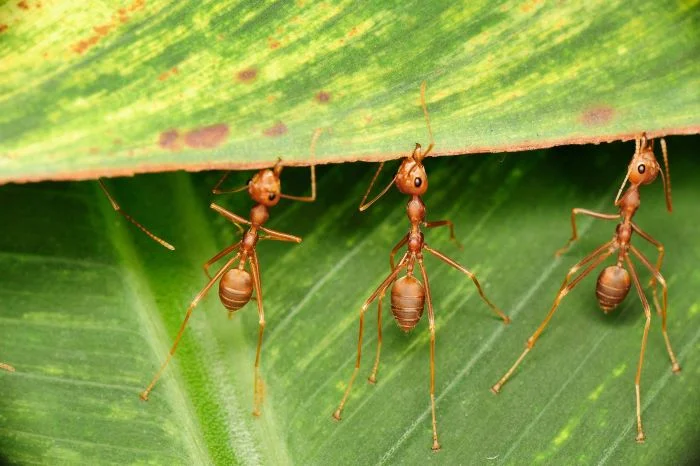
Ants are highly adaptable insects with omnivorous diets, consuming a wide variety of foods. Their dietary habits, however, are influenced by species, seasonal changes, and the availability of food in their environment.
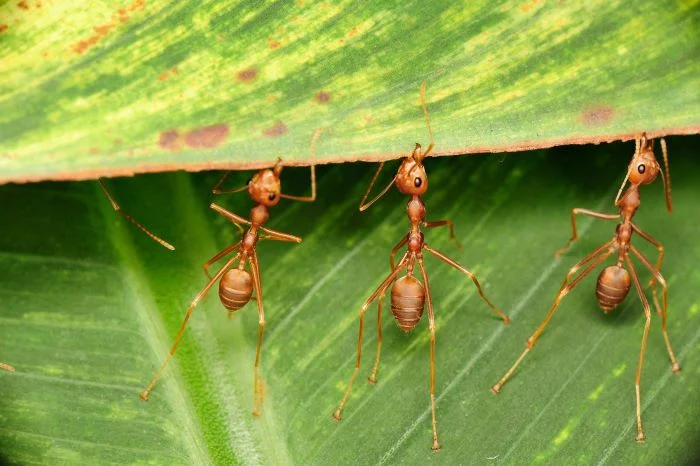
Dietary Preferences of Ants
Ants exhibit remarkable flexibility in their feeding behavior, enabling them to thrive in diverse habitats. Some species have a preference for sugary foods such as nectar and honeydew, while others are carnivorous, feeding on insects or animal remains. Notably, agricultural ants like the Atta species cultivate fungi for sustenance.
Environmental Impact
In tropical forests, ants can easily access a variety of sugars and proteins due to the rich biodiversity. Conversely, in arid environments, they adapt to a diet primarily composed of seeds.
Seasonal Variations
During spring and summer, ants actively gather food to prepare for harsher conditions ahead. In contrast, many species reduce their activity in winter, relying on stored food supplies.
This dietary adaptability plays a crucial role in their ecological success, allowing ants to flourish in nearly all terrestrial environments.
Types of Foods Consumed by Ants
Ants are omnivores, capable of consuming a wide range of foods categorized based on species and colony needs. Here are the primary types of food they consume:
Sugars and Carbohydrates Ants are particularly drawn to sweet foods, which provide quick energy essential for their active metabolism. Common sources include:
- Honeydew: A sugary substance produced by aphids and other sap-sucking insects. Ants often farm aphids for honeydew.
- Ripe fruits: Such as apples, oranges, and bananas.
- Nectar: Collected from flowers.
- Human food: Sugary items like sugar, honey, sweets, and soft drinks.
Proteins Proteins are vital for larval growth and colony maintenance. Common sources include:
- Dead or live insects: Ants prey on small insects or collect their remains.
- Meat: Leftover pieces from human meals can attract them.
- Insect eggs: A significant protein source in forest environments.
- Fungi: Some species, like leafcutter ants, cultivate fungi in their nests for food.
Seeds and Grains Certain species, such as harvester ants, collect and store seeds and grains, which they then grind into a type of "ant bread" for consumption.
Lipids and Fats While fats are less common in their diet, they may consume:
- Oils: Residues from oily foods.
- Nuts: Some ant species eat nuts and seeds rich in oils.
Fungi For certain species like the leafcutter ants, they cultivate fungi on collected plant material, such as leaves and decaying wood.
Human Food Waste Ants quickly adapt to urban environments and can feed on:
- Bread crumbs.
- Food residues in kitchens or trash.
- Cooking fats.
Dietary Differences Among Species
Ant species exhibit varied diets based on their ecological and biological habits. Here are some key dietary differences among common species:
Carpenter Ants (Camponotus spp.)
- Diet: Primarily sugars, but also proteins.
- Honeydew produced by aphids.
- Nectar from flowers.
- Dead insects.
- Feeding Behavior: They do not consume wood but excavate it to build nests.
- Habitat: Found in wooded areas or damp, damaged wooden structures.
Harvester Ants (Messor spp.)
- Diet: Seeds and grains.
- They collect seeds for storage and grind them into "ant bread."
- Feeding Behavior: Specialize in seed harvesting and storage, showing less attraction to sugary or protein-rich foods.
- Habitat: Thrive in dry, sandy soils.
Leafcutter Ants (Atta spp. and Acromyrmex spp.)
- Diet: Indirect fungivores.
- They do not directly consume leaves but use leaf fragments to cultivate fungi in their nests.
- Fungi serve as the colony's sole food source.
- Feeding Behavior: Workers specialize in collecting plant material for their nests.
- Habitat: Found in tropical and subtropical climates.
Army Ants (Eciton spp.)
- Diet: Active predators (carnivorous).
- They feed on other insects and small animals, sometimes raiding other insect nests for larvae and eggs.
- Feeding Behavior: Form large mobile columns in search of prey.
- Habitat: Typically found in tropical forests.
Dolerine Ants (Dolichoderus spp.)
- Diet: Sugars and honeydew.
- Primarily feed on honeydew produced by aphids.
- Feeding Behavior: They tend and protect aphid colonies to ensure a steady supply of honeydew.
- Habitat: Found in forests and shrubs.
Fire Ants (Solenopsis spp.)
- Diet: Omnivorous.
- They consume proteins (insects, meat), sugars (nectar, honeydew), and fatty materials.
- Feeding Behavior: Actively prey on small animals and are highly opportunistic.
- Habitat: Prefer warm, humid climates.
Ghost Ants (Tapinoma melanocephalum)
- Diet: Sugars (nectar, honeydew) and occasionally proteins.
- Feeding Behavior: Attracted to sugary foods found in human households.
- Habitat: Thrive in warm, humid environments, often in homes and gardens.
Desert Ants (Cataglyphis spp.)
- Diet: Omnivorous with a preference for dead insects.
- They forage under the scorching sun, often collecting remains of other insects.
- Feeding Behavior: Exhibit remarkable heat resistance while searching for food.
- Habitat: Found in desert regions.
Bullet Ants (Paraponera clavata)
- Diet: Nectar and small insects.
- Feeding Behavior: Not particularly specialized but attracted to sugary substances.
- Habitat: Found in rainforests.
Key Differences
| Species | Main Food | Feeding Behavior | |-------------------------|-------------------|---------------------------------------| | Carpenter | Sugars, insects | Do not eat wood, only sugars. | | Harvester | Seeds, grains | Collect and store seeds. | | Leafcutter | Leaves for fungi | Indirect fungivores. | | Army | Insects, small animals | Aggressive, mobile predators. | | Dolerine | Honeydew | Protect aphids for food. | | Fire | Proteins, sugars, fats | Opportunistic and aggressive. | | Ghost | Sugars | Attracted to household foods. | | Desert | Dead insects | Heat-resistant foragers. | | Bullet | Nectar, small insects | Attracted to sugars. |
These differences illustrate how each species has adapted to its environment to maximize resource utilization.
Food Gathering Strategies
Ants employ various food-gathering strategies that vary by species, colony needs, and their living environment. Here’s an overview of the primary strategies:
- Individual Foraging: Some ants search for food alone, returning to the nest with small amounts.
- Collective Hunting: Species like army ants work together to take down larger prey.
- Aphid Farming: Many species farm aphids to harvest honeydew, a sugary substance produced by these insects.
- Seed Collection: Harvester ants gather seeds and store them for winter.
Dietary Adaptations
Ants can modify their diets based on seasonal changes:
- In spring and summer, they prefer sugar-rich foods to sustain the energy of the nest.
- In autumn, they consume more proteins to support larval development.
Thanks to their flexible diets and collaborative abilities, ants rank among the most resilient and widespread insects globally. However, they can pose challenges in both domestic and agricultural settings. Their remarkable adaptability and social organization complicate control measures, but a combination of prevention, natural treatments, and professional interventions can effectively manage infestations.