Rethinking Nature in Gardening: Insights from Lorraine Daston
Exploring Lorraine Daston's insights on nature and its implications for gardening practices, highlighting the complexities of naturalness in ecological discussions.
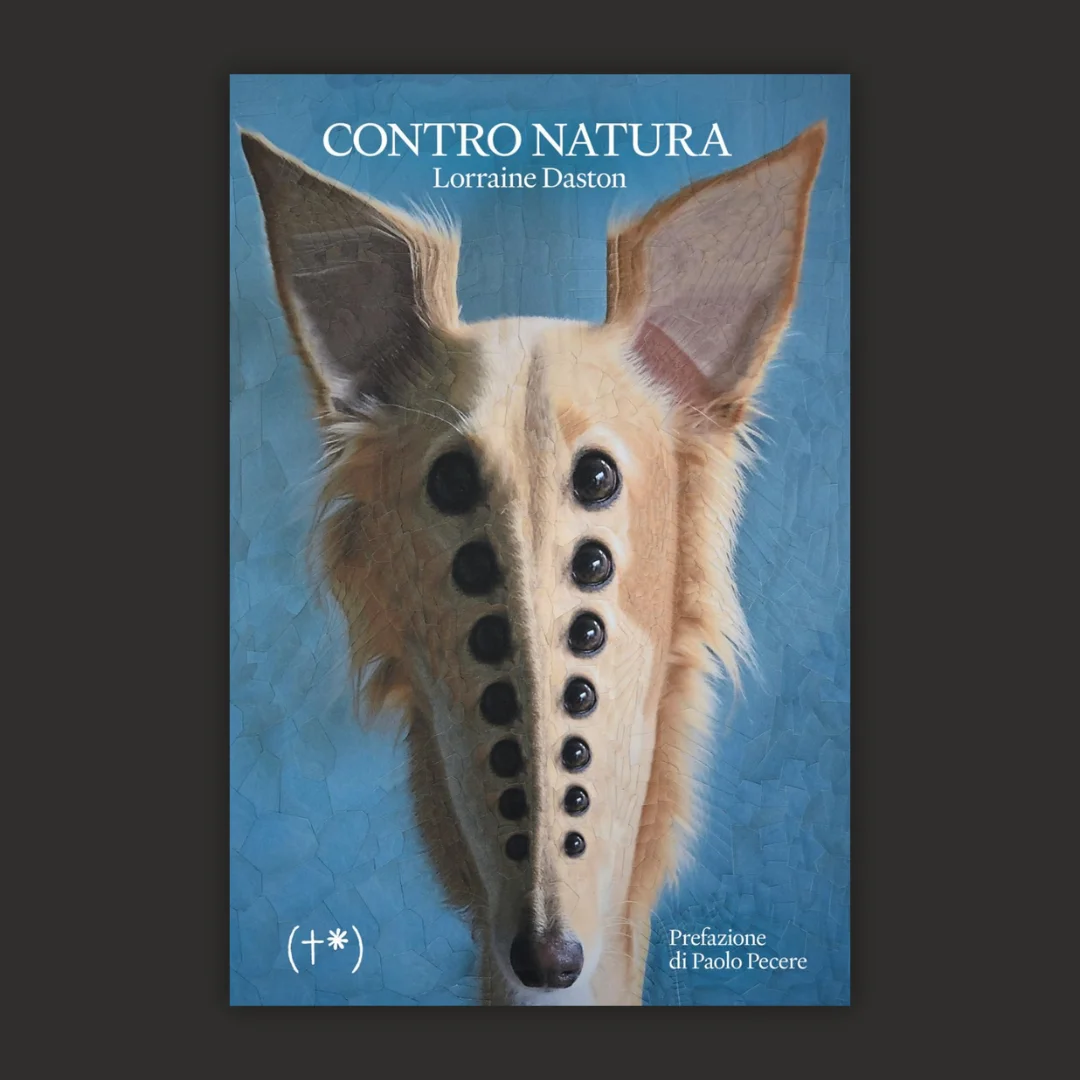
In the realm of gardening and ecological discussions, the concept of nature often emerges as a central theme. Lorraine Daston’s work, Contro Natura, prompts a reevaluation of how we understand natural phenomena, particularly in relation to gardening practices and environmental stewardship.
Daston’s exploration delves into the debates surrounding the idea of naturalness, drawing parallels to contemporary discussions about genetically modified organisms (GMOs). She highlights a significant discourse that has faded over the years, emphasizing the political implications of labeling certain products as 'unnatural.' This perspective resonates with the ongoing conversations within the gardening community, where the choice of plants and cultivation methods often reflects broader ethical and ecological concerns.
A critical aspect of Daston’s argument is the intertwining of what “is” and what “should be” within our understanding of nature. She identifies three distinct notions of nature that shape our thought processes: specific natures that define species, local natures pertaining to ecosystem dynamics, and universal natural laws sought by the hard sciences. These frameworks are particularly relevant for gardeners who navigate the complexities of biodiversity and ecosystem health in their practices.
Daston asserts that humanity has a long history of appealing to nature as a guide for action. Theological and scientific endeavors have positioned these disciplines as arbiters in moral and political disputes, influencing how we approach gardening and environmental ethics. Understanding the intricacies of nature is crucial, as it informs our decisions about sustainable practices and plant selection.
However, the scientific advancements of the last century reveal that nature is not a monolithic concept but rather a collection of diverse phenomena. Daston suggests that interpreting nature’s lessons can lead to contradictions and complexities, which gardeners must acknowledge. This recognition of nature's multifaceted character encourages a more nuanced approach to gardening, where diverse practices can coexist without a singular, prescriptive model.
The takeaway from Daston’s thesis is clear: we should be cautious in using the concept of nature to validate our gardening philosophies. The notion of nature can be inconsistent and often requires an authoritative epistemic reference, typically rooted in scientific understanding. This raises questions about the implications of labeling certain gardening practices as 'natural' or 'unnatural.' For instance, if GMOs are deemed unnatural, what does that imply for other cultivated plants or modern agricultural techniques?
Daston’s insights encourage gardeners to formulate their practices and beliefs with the understanding that nature does not inherently support any specific ideology. This perspective fosters a more reflective approach to gardening, where decisions are made based on informed choices rather than a simplistic appeal to nature.
In conclusion, engaging with Daston’s ideas can enrich the gardening narrative. By moving beyond rigid definitions of nature, gardeners can embrace a more inclusive understanding that accommodates a variety of practices and philosophies, ultimately leading to a more resilient and dynamic gardening culture.