Patience in Gardening: A Key to Success
Gardening requires patience as plants grow at their own pace. Learn why rushing the process can lead to frustration and discover tips for successful gardening.

As the first seeds are sown or young plants are placed in the garden bed, the waiting game begins. Each morning, gardeners find themselves drawn to their plots, wondering: Has anything sprouted? Have the tomatoes developed new shoots? Why do the pepper plants seem to be stagnant?
These thoughts are familiar to anyone who enjoys gardening. Impatience is often part of the hobby. After all, significant time, effort, and anticipation are invested in nurturing plants, making the desire for quick results quite natural.
However, one of the most crucial lessons gardening teaches us is that nature cannot be rushed. Plants do not grow faster simply because we wish them to; they adhere to their own natural rhythms, which are frequently slower than our daily lives.
A Chinese proverb aptly states: "Impatience is a poor gardener."
Accepting this rhythm can lead to more successful gardening in the long run, resulting in healthier plants, better harvests, and significantly less frustration.
Understanding Impatience in Gardening
The Anticipation of the First Harvest
When you plant a handful of seeds, you can already envision how the plants will look. You imagine harvesting crisp radishes, plucking flavorful tomatoes, or enjoying a lush herb garden weeks or months down the line. This anticipation is one of the most delightful aspects of gardening, yet it can also make the waiting feel unbearable.
The Desire for Visible Results
Many gardening tasks do not yield immediate results. Whether preparing a bed, incorporating compost, or planting a fruit tree, changes can take weeks to manifest.
New gardeners often find themselves questioning:
- Did I do something wrong?
- Why aren’t the plants growing?
- Does it always take this long?
In most cases, the answer is simply: Yes, it does take time.
Misaligned Expectations in Modern Gardening
We live in an era where instant gratification is the norm. Deliveries can arrive the next day, and information is available in seconds. However, gardening operates on a different timeline, governed by biological processes that cannot be hurried. A tomato plant requires its time, a perennial takes years to mature, and a newly established bed often reveals its full character only after several seasons.
The Impact of Social Media on Our Patience
Social media showcases the finished products: thriving vegetable gardens, blooming perennial borders, and bountiful harvests. Often overlooked are the months or years of labor that contribute to these successes, leading to the misconception that achieving garden success is a quick endeavor.
The reality is far more complex.
Why Plants Don’t Adhere to Our Timelines
Each Plant Species Grows at Its Own Pace
Not all plants grow at the same speed. For instance, radishes can be ready for harvest in just a few weeks, while parsnips take several months. Peppers and chilies often require particularly extended periods, and asparagus demands years of patience.
Understanding these natural timelines can help mitigate frustration.
The Role of Temperature, Light, and Soil Conditions
Optimal plant growth hinges on suitable conditions, including:
- Adequate warmth
- Sufficient light
- Appropriate soil moisture
- Proper nutrient availability
If any of these factors are lacking, growth will naturally slow.
Nature’s Lack of Shortcuts
Plants undergo various developmental phases, from seed to germination to flowering or fruiting, involving numerous biological processes that cannot be hastened.
Invisible Growth Below Ground
A common misconception is that growth can only be measured above ground. Young plants often invest significant energy into establishing their root systems first. While it may appear that nothing is happening above soil, the groundwork for future yields is being laid beneath the surface.
Common Mistakes Driven by Impatience in Gardening
Premature Sowing
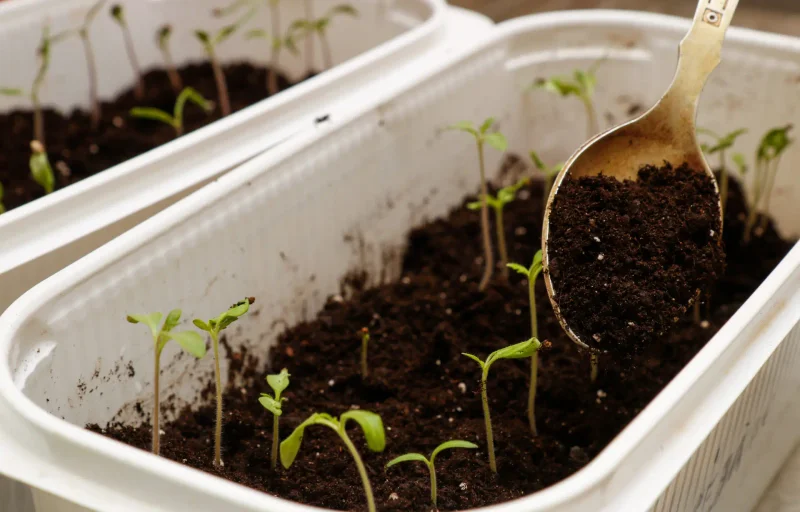
Many hobby gardeners struggle to wait for the season to start. Some sow seeds indoors during winter, even when light and temperature conditions are inadequate. Very few vegetable types need to be sown as early as January, with only certain hot chili varieties requiring such early attention. Sowing too soon can make it challenging to provide optimal conditions for plants until they are ready to be planted outdoors in May.
Why Many Seeds Germinate Poorly in Cold Conditions
Most vegetable seeds have specific minimum temperature requirements. If sown too early, they may germinate slowly or not at all.
Consequences of Early Sowing
Plants sown too early often become:
- Tall and unstable
- More susceptible to diseases
- Challenging to cultivate
Early Transplanting
As soon as the sun shines for a few days, many gardeners feel compelled to move their young plants outdoors.
The Risk of Late Frosts
Tomatoes, peppers, and cucumbers are particularly sensitive to cold. A single frost can severely damage these plants.
Why Young Plants Need Time to Harden Off
Before transplanting, young plants must gradually acclimate to wind, sunlight, and temperature fluctuations. Conditions in a growing station differ significantly from those outside, and young plants require time to adjust.
Overwatering
Water is essential for life, but too much of it can be detrimental.
Why More Water Isn’t Always Better
Waterlogged soil can displace oxygen, damaging roots and slowing growth.
Signs of Overwatering
Common indicators include:
- Yellowing leaves
- Wilting plants despite moist soil
- Foul odors from the soil
Premature or Excessive Fertilization
Fertilizer is often applied out of impatience.
Why Plants Can’t Absorb Unlimited Nutrients
A plant will not grow faster simply because more fertilizer is available.
Damage from Over-Fertilization
Excess fertilizer can lead to:
- Root damage
- Burned foliage
- Increased susceptibility to diseases
Constant Monitoring and Intervening
Some plants are checked nearly every day.
Why Plants Need Space to Grow
Frequent repotting, re-fertilizing, or relocating can induce stress, causing plants to halt growth or exhibit other adverse effects.
The Dangers of Hasty Actions in the Garden
Not every issue requires immediate resolution. Often, nature will handle many challenges on its own.
When Seeds Fail to Germinate
How Long Germination Can Actually Take
Germination times vary widely.
| Plant | Average Germination Time | |-------------|---------------------------| | Radishes | 4–8 days | | Lettuce | 7–14 days | | Tomatoes | 7–14 days | | Peppers | 14–30 days | | Parsley | 21–35 days | | Parsnips | 14–28 days |
Particularly, parsley and parsnips can test a gardener’s patience.
Why Different Seeds Germinate at Different Rates
Each plant species has unique requirements and biological characteristics.
Key Factors Affecting Germination Time
Temperature
Low temperatures can significantly hinder germination.
Moisture
Seeds need adequate moisture but should not remain constantly wet.
Light
Some seeds require light, while others need darkness to germinate.
Seed Quality
Old or improperly stored seeds often germinate poorly. However, many seeds remain viable far longer than indicated on their packaging.
When Patience is Necessary and When to Take Action
Not every seed will germinate within a few days. Before re-sowing, it’s essential to understand the typical germination times.
Why Young Plants May Seem to Stall
Root Development as an Invisible Growth Phase
Many plants initially focus on developing their roots.
Growth Pauses After Transplanting
Transplanting can cause stress, necessitating recovery time for plants.
Growth Pauses After Moving Outdoors
Similarly, a brief growth pause often occurs after outdoor transplanting, known as transplant shock.
Why Plants Must First Establish Themselves
Only once the roots have spread successfully does visible growth typically commence.
The Greatest Tests of Patience in the Vegetable Garden
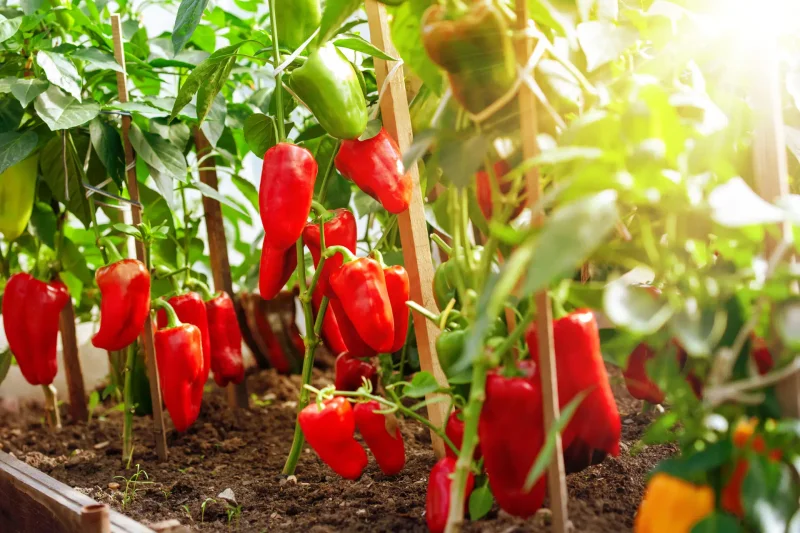
Tomatoes
Tomatoes often start slowly but can later exhibit remarkable vigor.
Peppers and Chilies
These plants are true tests of patience, particularly in cooler weather, where growth can be sluggish.
Celery
Celery requires a long growing period and considerable patience.
Parsnips
Growing parsnips demands patience right from germination.
Asparagus
Few vegetables symbolize patience better than asparagus, which often yields its first significant harvest only after several years.
Pumpkins
Pumpkins also need time before they unleash their impressive growth potential.
Perennials, Shrubs, and Trees – The Ultimate Test of Patience
Why Many Perennials Only Show Their Full Beauty After Years
Many perennials take years to fully develop. In their first year, they may grow modestly, only to reveal their full potential in the second or third year.
Young Woody Plants Need Time to Establish
Newly planted shrubs and trees initially focus on developing their root systems.
Thinking Long-Term Rather Than Expecting Quick Results
A garden doesn’t materialize in just a few weeks. Many of the most beautiful gardens evolve over years, with a decade being quite common.
How Patience Pays Off with Perennial Plants
Those who exercise patience often end up with hardier plants that require less maintenance in the long run.
Can You Accelerate Plant Growth?
What Actually Works
The Right Location
Proper lighting conditions promote healthy growth.
Good Soil Preparation
A loose, humus-rich soil creates optimal conditions.
Balanced Fertilization
Plants benefit from nutrient supply tailored to their needs.
Adequate Water Supply
Consistent moisture supports development.
Which So-Called Tricks Are Ineffective
Over-Fertilization
More fertilizer does not automatically equate to faster growth. It must be the right type. A soil test can simplify fertilizing decisions.
Constant Watering
Too much water can have the opposite effect. It’s often better to water less frequently but more deeply.
Early Sowing
Sowing too early does not guarantee quicker growth.
Frequent Transplanting
Each transplanting session drains energy from the plant.
Why Healthy Plants Matter More Than Quick Growth
A robust plant will yield higher long-term returns compared to one that has been artificially accelerated.
Lessons from Experienced Gardeners
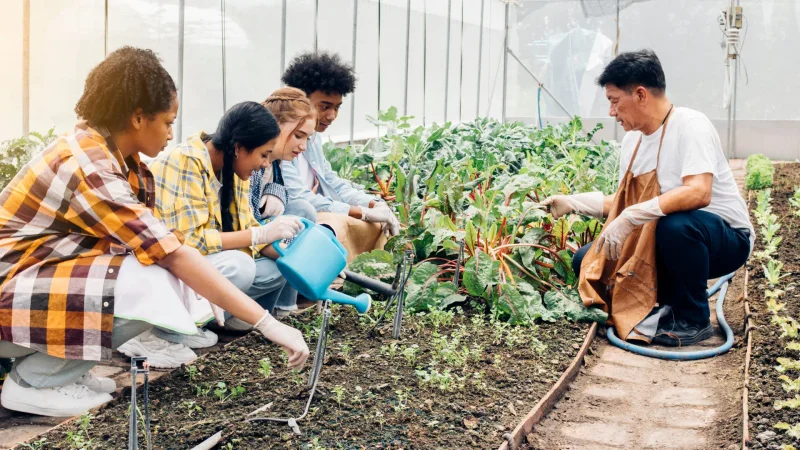
Why Successful Gardeners Rarely Act Hectically
Experienced gardeners understand that many problems simply require time to resolve.
The Importance of Observation Over Haste
By keenly observing their plants, gardeners can identify genuine issues early on.
Working with the Seasons Instead of Against Them
Gardening is a journey that thrives on patience and understanding of natural cycles.