Cutting Calendar: Techniques and Tips for Successful Plant Propagation
Learn about the cutting calendar, techniques, and best practices for successful plant propagation, whether you are a novice or a professional gardener.
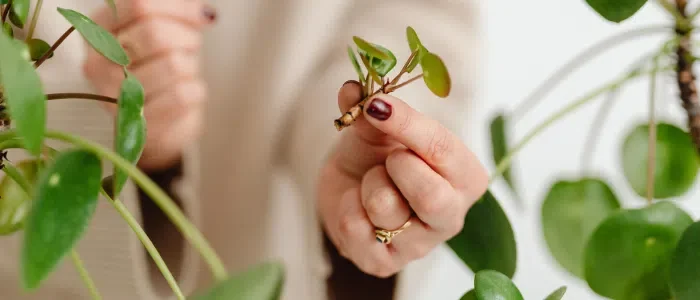
Multiplying plants, timing interventions throughout the seasons, and optimizing vegetative recovery are essential components of gardening, whether for hobbyists or professionals. Cutting, while seemingly straightforward, relies on specific biological principles that directly affect success rates.
Contrary to popular belief, simply taking a stem and placing it in soil does not guarantee a viable new plant 🪴. The success of a cutting depends on various factors including the timing of the cut, the type of wood, climatic conditions, and the care provided post-planting. This is why utilizing a cutting calendar is so important. This article will outline key periods, different techniques, and best practices to enhance your results, whether you are a beginner or operating in a more professional capacity. 👌🏽
Free Cutting Calendar

➡️🖨️ Download the cutting calendar in PDF for free 🖨️**⬅️**
| Plant | Cutting Month | Transplant Month | Characteristics | |-------|---------------|------------------|-----------------| | Abélia | July | March-April | Winter protection | | Abutilon | July-August | March-April | Winter protection | | Arbousier | September | March-April | Winter protection | | Actinidia | July-August | March-April | Winter protection | | Aucuba | September | March-April | Winter protection | | Ajonc | July | March-April | Winter protection | | Agrumes | August | March-April | – | | Akébie | July-August | March-April | Winter protection | | Amélanchier | August-September | – | – | | Althéa | June-July | March-April | Winter protection | | Arabette | July-August | – | In place | | Arbre aux faisans | November-December | March-April | Winter protection | | Aronia | August-September | – | – | | Aster | May-June | March-April | Winter protection | | Aubriète | April-May | October-November | – | | Aulne | October-November | March-April | Winter protection | | Azalée caduque | April-May-June | March-April | Winter protection | | Azalée persistante | August-September | November-December | Acidic soil | | Berbéris persistant | September | April | Winter protection | | Berbéris caduc | July | March-April | Winter protection | | Bignone | July | March-April | Winter protection | | Brugmansia | October | – | – | | Bruyère | July | – | In place | | Buddléia | July | March | Winter protection | | Buis | Year-round (except December) | October-November | – | | Callicarpa | July | – | – | | Callistemon | June-July | – | – | | Camélia | July | – | Under mini-greenhouse | | Caryoptéris | July or November | March-April | Winter protection | | Cassissier | March | – | Dry wood | | Céanothe | July-August | March-April | Winter protection | | Ceratostigma | April-May | – | In place | | Ciste | July-August | March-April | – | | Chèvrefeuille arbustif | September | March-April | Winter protection | | Clématite | June-July | March-April | Protect base from sun | | Cognassier du Japon | June-July | March-April | Winter protection | | Cornouiller | July-August | October | – | | Cotinus | June | September | – | | Cotoneaster persistant | September | April-May | Winter protection | | Cotoneaster horizontalis | May | April-May | Winter protection | | Corête | November | Upon root recovery | Heated greenhouse | | Daphné | June-July-August | March-April | – | | Deutzia | June | April-May | Winter protection | | Éléagnus | August-September | March-April | Winter protection | | Figuier | November | March-April | Winter protection | | Forsythia | October-November | March | Winter protection | | Framboisier (tige) | July | May | Winter protection | | Framboisier (racines) | November | – | In place | | Frangipanier | June-July | Upon root recovery | Heated greenhouse | | Fusain | September | March-April | Winter protection | | Fuchsia | July-August | October-November | – | | Grenadier | June-July | April | Winter protection | | Groseiller | June-July | April | Winter protection | | Hortensia | August | September | – | | Laurier | April | September | – | | Lavande | May | March-April | Winter protection | | Lilas | April to June | November | Winter protection | | Noisetier | November | October | In place | | Oranger du Mexique | July-August | September | Winter protection | | Passiflore | April-May | June | – | | Photinia | August-September | April | Winter protection | | Pyracantha | September | March-April | Winter protection | | Romarin | July-August | April | Winter protection | | Rosier | September | March-April | Winter protection | | Santoline | September-October | March-April | Winter protection | | Sauge | September | April-May | Winter protection | | Spirée | April-May | September-October | Winter protection |
Understanding the Principle of Cuttings
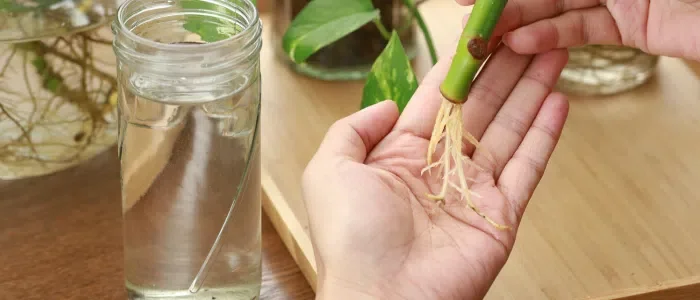
Cutting is a form of vegetative propagation that creates a new plant from a fragment of the parent plant. This can be a stem, leaf, or, less commonly, a root. Unlike seeding, this method produces an exact replica of the original plant, which is particularly useful for preserving varietal characteristics. 🌱 Biologically, the process relies on certain plant cells' ability to differentiate and produce new roots. However, this capability is not constant throughout the year. It depends on factors such as sap activity, tissue maturity, and environmental conditions. Therefore, having a calendar is essential: it allows for intervention when the plant is most physiologically capable of root production. 🌾
Why Use a Cutting Calendar
A cutting calendar is more than just a helpful tool; it serves as a strategic guide for organizing interventions and significantly improving success rates. Each plant follows a precise vegetative cycle. 🌿 In spring, growth is vigorous, and tissues are young and water-rich. Conversely, in autumn or winter, plants enter a dormant phase, and tissues become harder and more lignified. These differences directly influence the type of cutting to perform and the speed of rooting. Using a calendar allows for adjustments to practices according to these natural cycles. It helps avoid common mistakes, such as cutting from tissues that are too young or too rigid, or attempting cuttings during periods of climatic stress 🌈. In a professional context, this tool is indispensable for planning production, anticipating volumes, and securing results.
Key Cutting Periods
Cutting can be done year-round, provided the technique is adapted to the plant's developmental stage.
Spring Cuttings: Active Growth 🌸
Spring is typically viewed as the most favorable time for cuttings. The resurgence of vegetation leads to a significant rise in sap flow, promoting rapid root formation. Cuttings taken during this period are known as herbaceous. They are taken from young, flexible stems that have a strong regenerative capacity. This type of cutting is particularly suitable for houseplants, perennials, and many ornamental shrubs. Moderate temperatures and increasing light levels during this season help mitigate the risk of desiccation.
Summer: Semi-Hardwood ☀️
In summer, tissues begin to harden, referred to as semi-hardwood. Cuttings taken during this time require more precision, especially regarding watering and protection from heat. This type of cutting is commonly used for Mediterranean plants like lavender or rosemary, as well as certain shrubs like roses. The success rate remains high if adequate humidity is maintained and direct sun exposure is limited.
Autumn: Hardwood 🍂
In autumn, growth slows, and tissues become more rigid. Cuttings made during this period are termed woody. They are taken from hard wood, typically after leaf drop. This type of cutting takes longer to root but is more resistant to climatic variations. It is especially suitable for fruit trees and numerous shrubs.
Winter: Dormant Phase ❄️
Winter represents a dormant phase for most plants. While cuttings can still be taken, they primarily involve dry wood or roots. Given the less favorable external conditions, these cuttings are often performed in nurseries or under shelter. They require more patience but effectively prepare for spring planting.
Different Types of Cuttings
The choice of cutting type depends on the plant, the time of year, and the desired outcome. The stem cutting is the most common form. It involves taking a segment of stem with several nodes, which will be responsible for developing roots. This technique is easy to implement and suitable for many species. 🌳 The leaf cutting is used for specific plants, particularly succulents or begonias. In this case, a single leaf can suffice to generate a new plant, provided it is placed in suitable conditions. ✨ The wood cutting pertains to shrubs and trees. It requires longer cuttings and extended rooting times but offers excellent robustness. 🙌🏼 Finally, the root cutting, which is rarer, is employed for certain species capable of producing new shoots from root fragments.
Best Practices for Successful Plant Cuttings
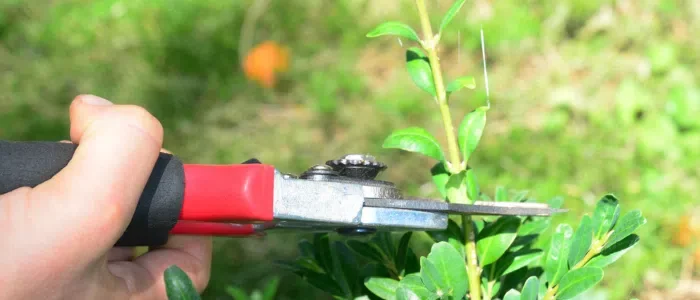
The success of a cutting relies on a combination of technical actions and controlled environmental conditions. The cutting must always be taken with a clean, sharp tool to avoid damaging the tissues. It is advisable to cut just below a node, as this is where root formation is most likely to occur. The choice of substrate is also critical. A light, draining mix low in nutrients promotes root development. An excess of organic matter may instead stimulate aerial growth at the expense of rooting. Humidity ☔️ must be maintained consistently, without excess. Too much moisture can lead to diseases, while insufficient water can cause rapid drying of the cutting. Finally, exposure should be controlled. Indirect light is preferable, as direct sunlight can cause significant water stress.
Common Mistakes to Avoid
Certain mistakes frequently occur and can jeopardize the success of cuttings. Choosing an inappropriate time is one of the leading causes of failure. Taking cuttings outside of a plant's optimal cycle greatly reduces its rooting abilities. 👨🏽🌾 Harvesting from a flowering stem is also discouraged, as the plant's energy is directed toward flower production rather than root formation. Excessive or insufficient watering can also harm the cutting. Maintaining a balanced moisture level is essential for favorable conditions. Using a substrate that is too rich or compact limits root aeration and slows 🐌 their development.