The Leopard Slug: Nature's Garden Helper
The leopard slug, often misunderstood as a pest, plays a vital role in the garden by managing unwanted species and aiding in decomposition.
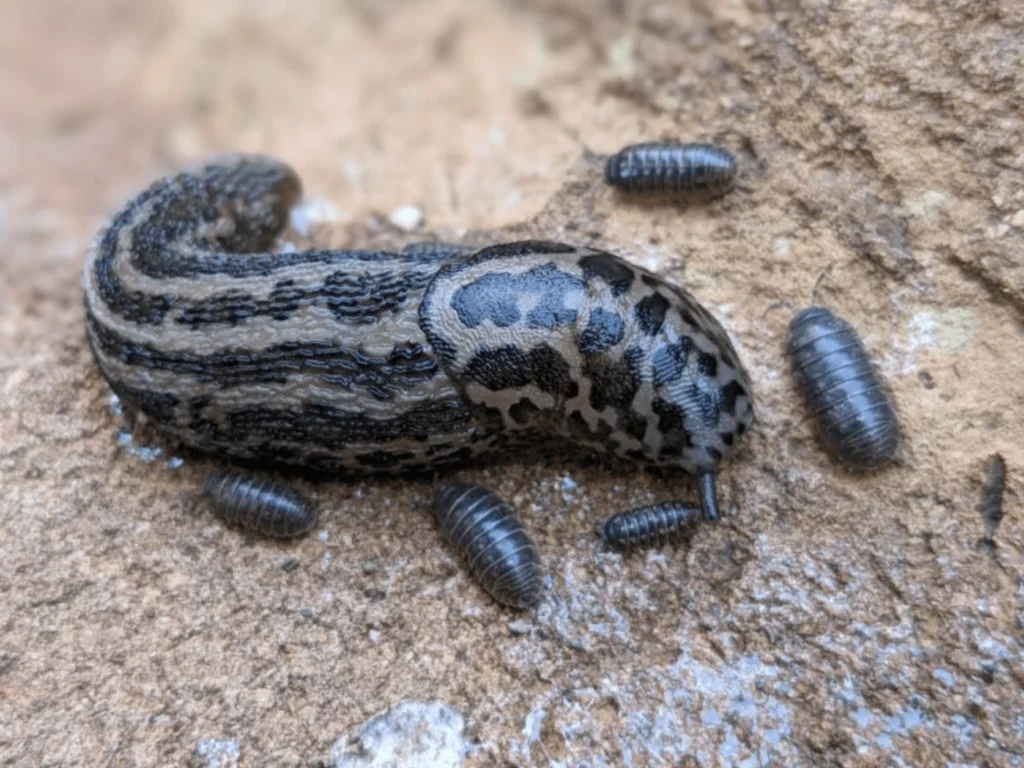
In the realm of gardening, snails and slugs often carry a reputation as pests. However, not all of them deserve this label! The leopard slug emerges at night, contributing positively to the garden by managing unwanted inhabitants.
Description of the Leopard Slug
Easily identifiable, the leopard slug, known scientifically as Limax maximus, features a gray body adorned with black spots, often growing over 15 cm in length. The closely spaced spots can create an illusion of stripes along its back. Like all slugs, this species prefers moist environments and avoids dry, warm areas. It typically ventures out at night or during rainy days and can be found in forests, damp locations, and, of course, gardens.
During the night, this striped gastropod seeks refuge under stones, wood, crevices, or burrows into the soil.
Its Diet
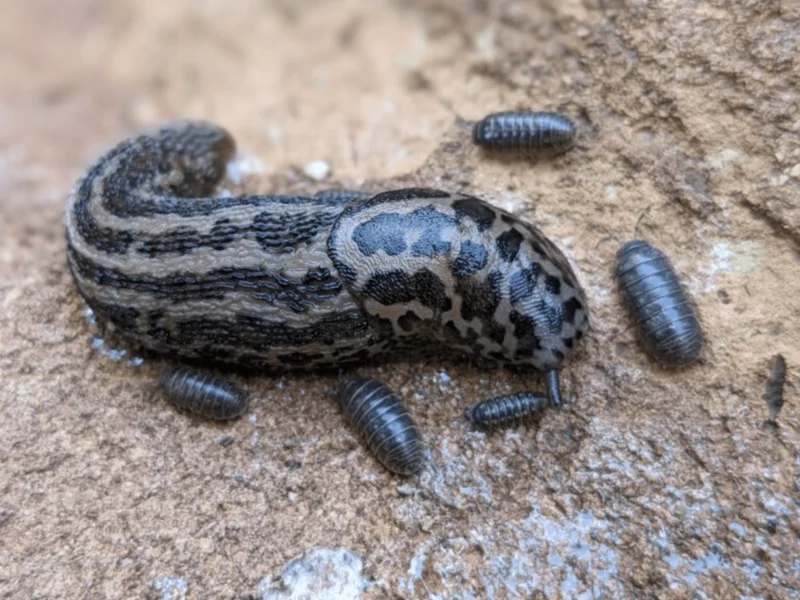
The leopard slug is a detritivore, feasting on decaying or diseased plant material, dry wood, moss, fungi, and even other slugs! This includes both live adults and their eggs. Thus, the leopard slug acts as a garden cleaner and is an often-overlooked ally in maintaining ecological balance.
While it may occasionally munch on seedlings or young plants, the leopard slug is generally regarded as a valuable asset in controlling slug populations. It does not particularly favor snails, although it will consume their eggs.
How to Attract Leopard Slugs to Your Garden
Like all creatures in your garden, the leopard slug requires shelter and cover—essentially a garden bed and breakfast. This highlights the benefits of mulching. Beneath the mulch lies a rich ecosystem. The leopard slug, along with beneficial insects like rove beetles and ground beetles, as well as predatory mites such as Stratiolaelaps scimitus, helps manage the populations of other slug species.
Of course, the leopard slug—like its fellow slugs—has its share of predators, including toads, frogs, slow worms, birds, salamanders, hedgehogs, shrews, millipedes, and even other leopard slugs, which are known to consume the eggs of their peers.
Reproduction
Leopard slugs are hermaphroditic, possessing both male and female reproductive organs, similar to snails. After mating, each slug can lay between 100 and 300 eggs. This mating occurs only once a year during the summer months. Given that the lifespan of a leopard slug ranges from 2 to 3 years, it typically lays eggs only once or twice in its lifetime. Although the number of eggs may seem substantial, many will become a meal for other soil dwellers. Nature can indeed be harsh.