Utilizing Grass Clippings for Effective Mulching
Explore the benefits and limitations of using grass clippings as mulch in your garden, including tips for adapting their use to different climates.
Introduction🌱
As winter fades, leaving the soil bare is not necessarily a mistake; in fact, it can be beneficial. This practice allows the earth to warm up more quickly, reviving biological activity and enabling early sowing to thrive in the rising temperatures.
With the arrival of spring, conditions shift significantly. Temperatures rise, rainfall alternates with dryer spells, and vegetation begins to flourish rapidly. Grass growth can become so vigorous that it turns into a chore after mowing.
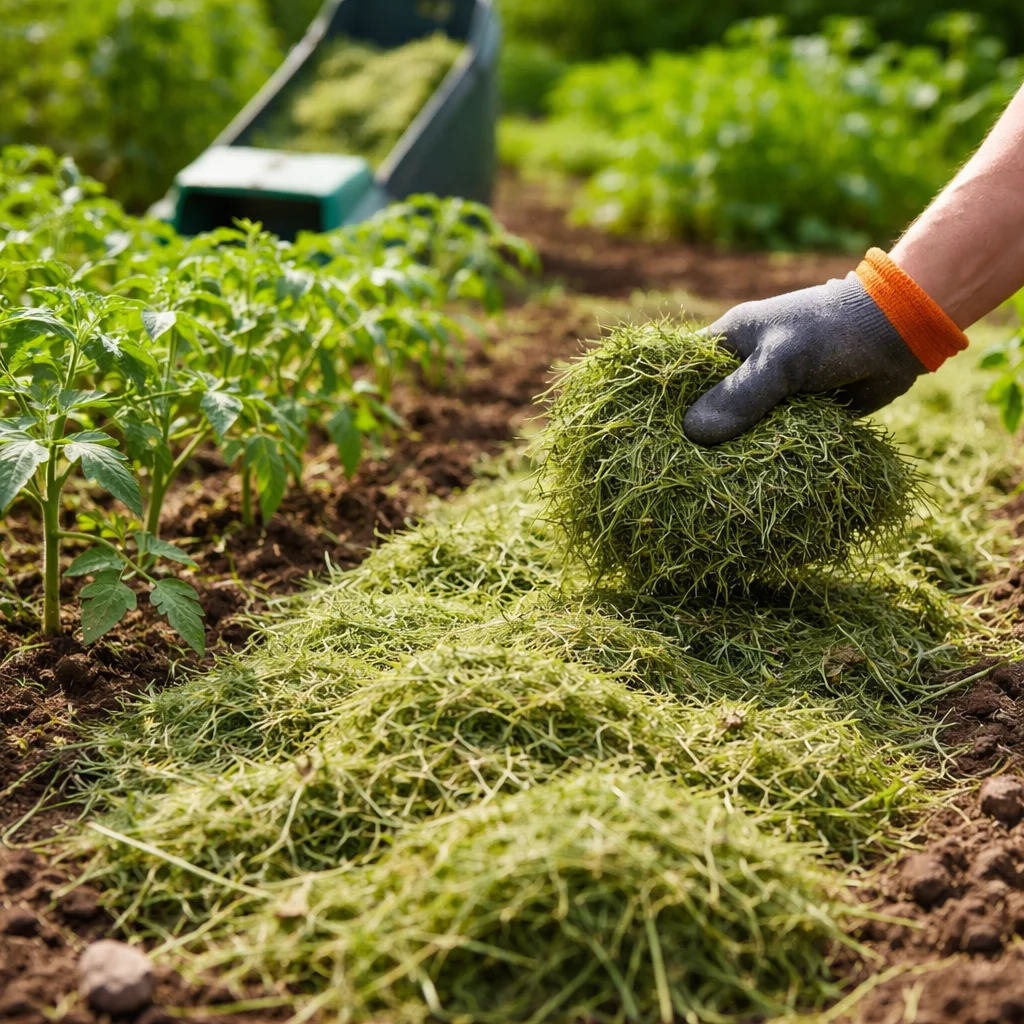
Instead of viewing the clippings as waste to be discarded or stored away, they can be transformed into a valuable resource for the garden.
An Abundant Resource with Many Benefits
Grass clippings offer several advantages, making them a popular choice for mulching.
Firstly, they are fresh material rich in nitrogen. As they decompose, they quickly nourish soil microorganisms, converting into nutrients that plants can easily absorb. Unlike woodier or drier mulches, grass clippings provide immediate benefits, acting as a dynamic source of organic matter that stimulates biological activity.
Additionally, they serve a protective role. By covering the soil, grass clippings reduce water evaporation, mitigate temperature fluctuations, and shield the surface from heavy rainfall. This stabilization creates a more favorable environment for the soil's inhabitants.
Another well-known effect is the suppression of weeds. By blocking sunlight, mulching with grass clippings hinders the germination of many unwanted seeds. While it does not eliminate weeds entirely, it significantly reduces their prevalence.
Finally, grass clippings are readily available, requiring no purchase or transport. This practice aligns well with sustainable gardening principles, promoting recycling within the garden.
Limitations to Consider
Despite their benefits, grass clippings are not without drawbacks.
The primary concern is fermentation. When applied in thick layers, fresh clippings can compact, heat up, and ferment. This process can lead to a dense, sometimes odorous mass that hinders air circulation, which is counterproductive to soil health.
As they dry, clippings can also form a crust that is nearly impermeable, making it difficult for water to penetrate and restricting gas exchanges.
In certain contexts, they may encourage slug populations, especially when they retain excessive moisture on the surface. This risk varies by local conditions but is worth monitoring.
Moreover, their high nitrogen content can be a limitation. When used alone, they decompose rapidly, making them a less durable mulch. It is advisable to combine them with carbon-rich materials such as fallen leaves, straw, or wood chips to enhance their effectiveness and prevent compaction.
Adapting Use to Climate Conditions
The effectiveness of grass clippings largely depends on the environmental conditions in which they are applied. Climate plays a crucial role.
In Humid Climates: Avoid Excess
In regions with frequent moisture and cool soils, caution is warranted when using grass clippings.
The main risk is exacerbating existing moisture levels. A thick layer can quickly ferment, compact, and create an unfavorable environment for both crops and soil life.
Under these circumstances, it is advisable to apply clippings in thin layers (less than 5 cm). Allowing them to dry slightly before application can also help minimize fermentation issues. Furthermore, mixing them with drier materials can improve the mulch structure.
In Dry Climates: A Valuable Asset
Conversely, in warmer regions or those experiencing drought, grass clippings can be a significant asset.
Their ability to retain moisture and protect soil from direct sunlight is particularly beneficial. This helps reduce water loss and create a more favorable environment for plant growth.
In these situations, thicker layers can be applied, as long as they are added gradually. It is often best to mulch over moist soil to effectively trap this moisture beneath the layer.
Since clippings decompose quickly, regular applications can sustain effective protection over time.
Conclusion
Grass clippings are a simple, accessible, and often underappreciated resource. When used correctly, they can greatly benefit the garden by nourishing the soil, providing protection, and aiding in crop management.
To maximize their potential, it's essential to follow a few guidelines. Avoid applying large amounts at once; instead, opt for gradual layering to reduce fermentation risks. Observing the mulch is equally important: if it remains too wet, emits strong odors, or becomes overly compacted, adjustments are needed.
Taking care not to place clippings directly against plant stems, especially young ones, can also prevent imbalances. Finally, combining them with drier organic materials creates a more balanced, stable, and sustainable mulch.
As is often the case in gardening, there is no one-size-fits-all solution. The effectiveness of grass clippings depends on context, climate, and how practices are adapted. Rather than adhering to a strict formula, the key is to observe, experiment, and adjust. It is through this approach that grass clippings can truly become an asset.