Is It Necessary to Cover Your Soil in Spring?
Exploring the nuances of soil covering in spring gardening, including the effects of mulching on soil temperature and crop health.
Introduction🌱
As gardeners delve into the principles of living soil, a common piece of advice emerges: never leave the soil exposed. This recommendation is far from trivial. Covering the soil serves multiple purposes, including protecting it from sun, wind, and heavy rain, reducing water evaporation, and gradually nourishing the soil's ecosystem. Mulching is an invaluable tool in the vegetable garden.
However, over time, I have realized that even sound principles can become counterproductive when applied without consideration.
For several years, I was inclined to cover my soil consistently, driven by a fear of making mistakes. Leaving an area bare felt like I was disrupting the soil's life or losing something vital.
Yet, observations in my garden have led me to reassess this approach. Covering the soil too early or too heavily in spring can lead to unfavorable outcomes for crops.
A Soil That Needs to Warm Up
After winter, the soil remains cold, having retained moisture from previous months, and biological activity begins to revive as temperatures rise. In this context, thick mulch acts as an insulator. While it protects the soil, it also hinders its warming.
This effect is particularly noticeable in heavy, clay soils, which naturally take longer to heat up. Under a thick layer of mulch, these soils can remain cold and damp for several additional weeks.
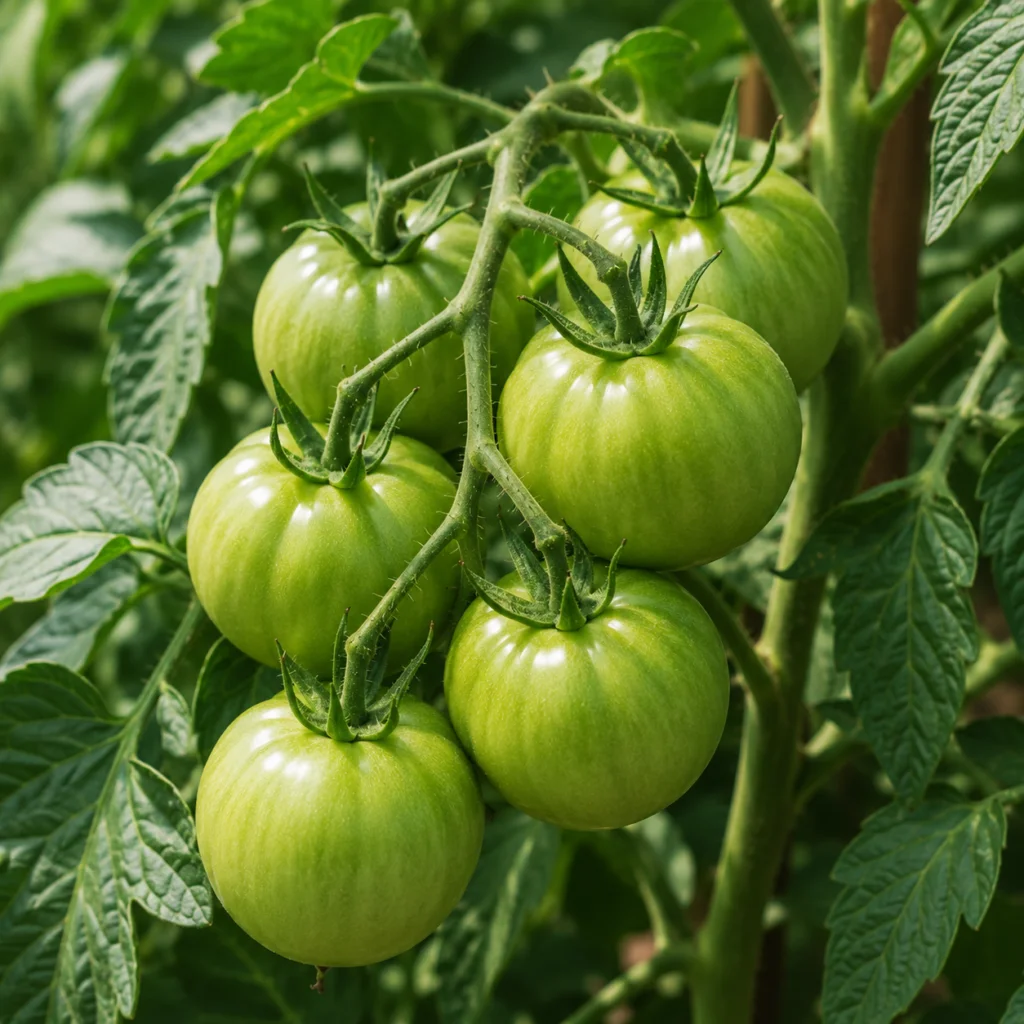
This delay can significantly impact spring crops. Heat-loving vegetables, such as zucchini, tomatoes, cucumbers, and eggplants, require adequately warmed soil to develop their roots properly. When the soil is not warm enough, their growth slows considerably.
I have experienced this firsthand. By mulching certain plants too early, I noticed a stark contrast with those planted in soil that was left uncovered for a few more weeks. The mulched crops took longer to establish and remained less vigorous for much of the season.
This does not imply that mulching is detrimental; rather, it highlights the importance of timing.
The Spring May Not Always Be Ideal for Thick Mulching
Spring conditions can be highly variable. Days may be warm while nights remain cool, with alternating wet and dry spells. In this context, a thick layer of mulch creates a very humid environment at the surface, which can quickly become favorable for certain pests.
Slugs, for instance, find an ideal refuge in mulch: moisture, coolness, and protection are all present. When young plants are just being established, they are particularly vulnerable. A single night can result in the complete disappearance of a lettuce or young zucchini.
The issue is not limited to slugs arriving from outside. With early mulching, they can settle right beneath the soil cover, close to the crops.
Small rodents also appreciate these protected environments. In some gardens, a thick layer of early mulch can encourage their presence around young plants.
Again, this does not mean that mulching should be avoided; it is essential to understand that every practice has its potential side effects.
Finding a Balance Between Bare Soil and Thick Mulching
For a long time, discussions surrounding mulching seemed to suggest only two options: a perfectly covered soil or a soil that is 'mistreated.' The reality of gardening is much more nuanced.
In spring, it may be beneficial to leave certain areas temporarily open to allow the soil to warm. This does not mean abandoning soil life but rather aligning with the season's rhythm.
Instead of applying a thick layer of mulch abruptly, a more gradual approach can be taken. A thin layer of well-aged compost, for example, can provide light protection while promoting warming due to its dark color. Scattered plant residues on the surface can also help mitigate the direct impact of rain without completely encasing the soil in a cold, damp cover.
The goal is not to seek an absolute rule but to observe how one's garden responds.
Not All Soils React the Same Way
As is often the case in gardening, much depends on the soil type. Sandy, light, and well-draining soils warm up quickly in spring. In such conditions, mulching can typically be applied earlier without significantly hindering crop dynamics.
Conversely, clay soils retain moisture and remain cold for longer. In these scenarios, waiting a few more weeks before mulching can make a significant difference.
Climate also plays a crucial role. The needs of a garden in a warm, dry spring in southern France will differ from those in a cooler, wetter region to the north.
This variability makes it challenging to provide a universal date for mulching. Gardening requires keen observation.
Over time, one learns to sense whether the soil remains cold at depth, to monitor the growth rate of plants, and to observe how moisture levels change beneath the surface.
Mulching Remains a Valuable Tool… When Used Appropriately
Adding nuance to mulching does not mean reverting to bare soil year-round. Once the soil is sufficiently warmed and the crops are well-established, mulching becomes an extremely valuable ally. It protects the soil from excessive heat, minimizes water evaporation, gradually nourishes the soil's life, and curtails the growth of spontaneous weeds.
However, this effectiveness largely depends on the timing and methodology of application.
In the garden, the most effective practices are rarely the most rigid. They tend to be those that adapt to the context, climate, soil, and observations made throughout the seasons.
Conclusion
Mulching is an excellent tool for protecting and nourishing the soil. Yet, like many gardening practices, it benefits from a flexible approach rather than being applied as an absolute rule.
In spring, temporarily allowing some areas to remain less covered can sometimes promote better crop establishment, particularly in heavy, moist soils.
Instead of striving to cover every inch, the key is to observe the soil, understand its reactions, and gradually adapt practices. Gardening in living soil is not about strictly applying principles but learning to accompany the rhythms of life with greater finesse and attention.