Understanding Garden Pests and Diseases
Explore the complexities of garden pests and diseases, from identification to treatment options and preventive measures, ensuring a thriving garden ecosystem.
Understanding Garden Pests and Diseases
"Pests and diseases? If we don’t treat them, we have nothing!"
This mantra from my agricultural studies continues to resonate, especially among those who romanticize the past. However, through various studies, observations, and shared experiences, it becomes clear that treatment is not always necessary to achieve a good yield. Let’s delve into the issues of pests and diseases that can affect your garden.
Sometimes, unexpected problems arise. This can be due to various factors such as genetic variations, climatic changes, and the introduction of new pests through global trade. The overuse of chemical treatments has also led to the emergence of resistant pest strains. Therefore, when issues arise, it’s crucial to respond appropriately rather than resigning to fate.
Identifying Symptoms
Taking the time to observe your plants is essential. For instance, if a linden tree is shedding its leaves, a detailed diagnostic table can assist in assessing the situation. Whether you consult a local garden center or an online resource, providing as much detail as possible is vital. Remote diagnostics can often lead to errors due to insufficient information. In our example, it's natural for some fields to remain blank.
Questions
Your Answers
Name of your plant
Linden
Age of planting
4 years
Department / Commune
Gard
Exposure
Sunny
Soil type
Clay-limestone
Old leaves
Yellowing and falling. Sticky.
New leaves
Yellow as well. A bit gray.
Wood
Fruits
Flowers
Roots
Date symptoms began
Around July 20
Treatment performed
None except increased watering.
Amount and frequency of watering
Once a week, 10 liters, now 30 liters per day.
Visible pests
I don’t know, I don’t see anything.
Other observations
The Diagnosis
The information provided points to a likely spider mite infestation, which is common in linden trees during the summer. The advice would be to reduce watering, as 30 liters per day for a 4-year-old tree is excessive.
Without these details, the diagnosis could be misleading. If a consultant only hears that "the leaves are yellowing and falling," they might recommend increased watering or the application of anti-chlorosis treatments, which would worsen the situation.
However, it could also be unnoticed aphids on the leaves. The treatment methods for spider mites and aphids differ significantly.
Nothing beats an on-site diagnosis by an experienced gardener, but when that’s not possible, having a detailed information sheet is invaluable for determining the right remedy.
To Act or Not to Act
Once a diagnosis is made and the source of the problem identified, the next question arises: should we take action or allow nature to take its course?
In some cases, inaction is appropriate. For example, in mid-March, I noticed aphids on my rose buds. If I treat them, even with a bio product, I will eliminate the aphid population. However, ten days later, they’ll return, necessitating further treatments throughout the season.
Alternatively, if I trust nature and refrain from any treatment, beneficial predators will arrive, feasting on the aphids and laying their eggs nearby, cleaning up the aphid colony.
A Case Study
Several years ago, while teaching shrub maintenance at an agricultural school, we avoided the usual annual pesticide spray for diseases and pests. A particularly rainy spring prevented the treatment company from coming. This pesticide mix, which included fungicides, insecticides, and acaricides, was typically sprayed indiscriminately across the vegetation.
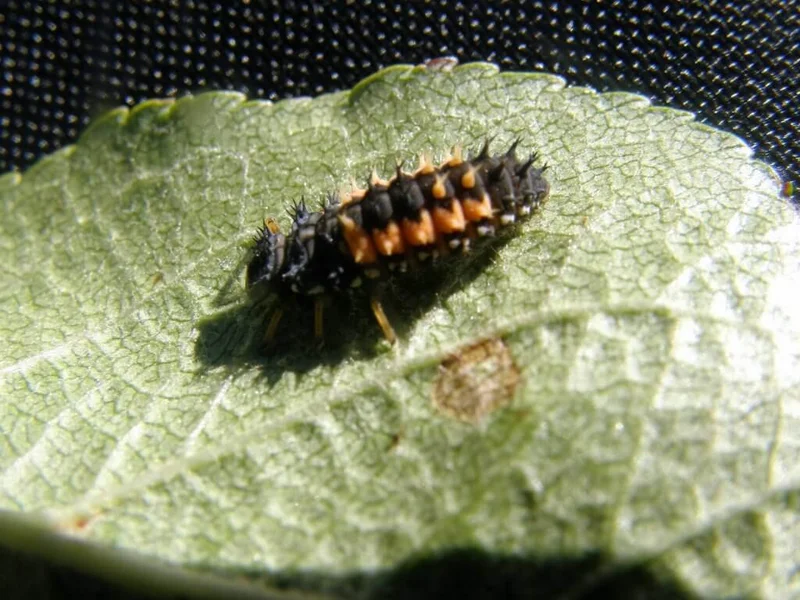
That year, the hibiscus plants were infested with aphids. The students suggested treatment, but upon closer inspection, we found over fifty ladybug larvae and several hoverfly larvae on each shrub. Nature was handling the situation, and after discussions, it was decided that no chemical treatments would be applied. Ecology triumphed, benefiting both the environment and the budget.
Anecdote
Ladybugs, living for 2 to 3 years, choose aphid-infested plants to lay between 100 and 350 eggs each season. Within a week, the larvae emerge and are voracious, consuming nearly 150 aphids daily. Adult ladybugs are less gluttonous, eating 50 to 100 aphids a day, but when food is scarce, they may resort to pollen or even their offspring!
Should We Act?
In the scenarios discussed, patience was key. Minimal pest attacks may also require a period of inaction. If natural predators are managing the pests, observation is the best course. As long as the pest population remains below a damaging threshold, all is well. Some issues, like the orange-pustule disease on pear trees, may appear concerning but can safely be left untreated if they occur in autumn when leaves are falling.
However, severe infestations can severely impact yields. As amateur gardeners, we understandably dislike seeing our hard work undermined by pests or diseases. Infestations of spider mites on tomatoes or whiteflies on flowering pots can be unacceptable, necessitating action.
Preventive Measures
The prophylactic method includes all measures aimed at preventing diseases and pests from harming crops. Note that "disease" is often used generically to refer to any pathology.
What can an eco-conscious gardener do to prevent pest attacks? We’ve seen that using natural fertilizers, compost, or organic amendments positively impacts plant resistance. Choosing plant varieties suited to the local climate and soil is also crucial in minimizing potential issues. Essentially, providing adequate nourishment and hydration to plants enhances their resilience, reducing the risk of pest infestations, particularly from insects that prefer weak plants.
Often Overlooked Practices: Cleaning and Disinfection
All gardening tools, equipment, and clothing must be cleaned, as they can harbor pests! Eggs, fungal spores, weed seeds, bacteria, and viruses can all lead to disease. Cleaning is essential. This includes disinfecting utensils, pots, and tools like pruners and hedge trimmers. Imagine using a tomato stake from a plant infected with blight without proper disinfection the following year.
When I prune, I use three items: a pruner, a sharpening stone, and a sprayer filled with alcohol. The alcohol is for the pruner, not for the gardener. Recently, white vinegar has been approved for disinfecting pruning tools, effectively replacing highly volatile alcohol.
Additional Prevention Methods: Nets and Traps
Nets are fine fabrics placed over crops to prevent insects from laying eggs while allowing air and water to pass through. They are commonly used in vegetable gardens, covering carrots, cabbages, and leeks. They are simple and effective, although they may detract from the aesthetic appeal of ornamental plants like geraniums.
Bird nets also protect against seed and fruit thieves. While birds need to eat, a pair of magpies or a flock of pigeons can quickly decimate a seedbed or a crop of raspberries or cherries.
Traps
Numerous traps exist to capture insects before they cause damage. The wasp trap is useful only if someone in the family is allergic to stings, as wasps are beneficial predators that feed on various insects. It’s unfortunate that they are often killed.
The simplest trap is a board placed on the ground to combat slugs, which hide underneath in the morning. Checking daily allows for easy collection. Additionally, if you have chickens, they will enjoy the feast.
The beer trap involves burying a small bottle with beer at the bottom, attracting slugs and snails. However, avoid using a shallow dish for beer, as it can be harmful to hedgehogs, who enjoy a drink in the evening. A drunken hedgehog is vulnerable to predation.
Sticky Traps
Sticky traps are small, adhesive plastic boards, available in white, blue, or yellow, depending on the target insect. They have long been used to monitor insect populations and trigger pest control measures. Placing them in strategic locations can provide insight into pest activity and inform future actions.