Understanding Bonsai Ficus: Varieties, Care, and Maintenance
Explore the care and maintenance of Bonsai Ficus, including watering, fertilization, and the various species such as Retusa, Microcarpa, and Benjamina.
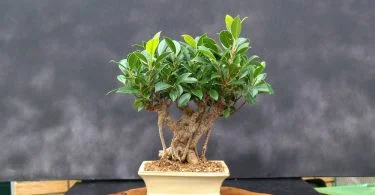
Bonsai Ficus
The Bonsai Ficus is a member of the Moraceae family and is commonly known as the rubber tree or fig tree. With over 750 different species of Ficus, only a select few are suitable for bonsai cultivation. This evergreen tree has become a favorite among indoor plant enthusiasts, particularly because it’s considered beginner-friendly, thanks to its resilience against common care mistakes.
Location for Your Bonsai
As a tropical species, the bonsai ficus thrives in temperatures ranging from 15°C to 30°C. It is best kept indoors near a bright window but should be taken outside during the summer months to benefit from natural sunlight. However, caution is needed to avoid sunburn on the leaves; initially, it is advisable to place it in a bright area without direct sunlight, especially during heatwaves.
Maintaining a bonsai outdoors requires careful attention, particularly with watering, which may need to be done almost daily. The bonsai ficus is sensitive to cold and should be protected from frost, so it’s crucial to bring it inside when temperatures drop below 15°C.
Tips:
- While suitable for indoor culture, the bonsai ficus prefers outdoor placement during warmer months.
- Gradually acclimatize your bonsai to outdoor conditions by choosing a bright, but not directly sunny, spot.
- Monitor nighttime temperatures, and if they fall below 15°C, either bring your bonsai inside or provide adequate protection.
- In winter, when sunlight hours are fewer, consider using artificial lighting with a grow lamp.
Watering Your Bonsai Ficus
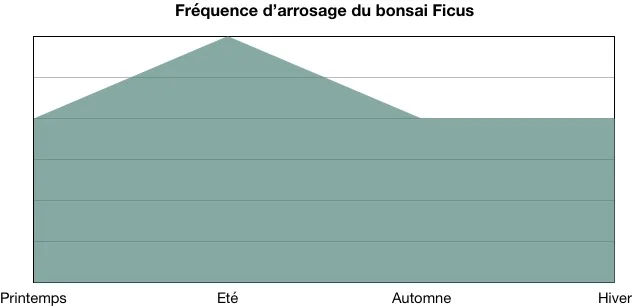
Generally, the bonsai ficus enjoys humidity but is susceptible to overwatering. The frequency and amount of water depend on the season, the plant's location, and its size. For smaller indoor specimens, water every 3-4 days in summer and approximately every 10 days in winter.
Always check the surface of the soil; water only when it has dried out. Overly wet soil can lead to root rot and leaf drop. To assess soil moisture, insert your fingers into the substrate. If it feels moist a few centimeters down, delay watering.
For outdoor ficus during summer, expect to water nearly every day, preferably in the morning or early evening to avoid the heat of the day.
Winter watering should be reduced, typically every 7-10 days, depending on conditions. You can also mist the leaves to increase humidity, which helps remove dust.
Watering Tips:
- Avoid tap water; use rainwater or spring water instead.
- Water at room temperature to prevent thermal shock.
- Ensure the substrate dries between waterings to avoid drowning the roots.
- If unsure about watering needs, a hygrometer can help gauge soil moisture.
- Remove excess water from any saucer beneath the pot to prevent root rot.
Fertilization and Nutrition
Bonsais grow in limited soil volumes, so it's essential to fertilize your bonsai ficus with a natural organic fertilizer (like Biogold) to promote growth. In spring, fertilize every two weeks with a nitrogen-rich formula, and in summer, switch to a balanced fertilizer containing nitrogen, potassium, and phosphorus to prevent elongated leaves and internodes.
In winter, halt any fertilization to avoid disrupting the growth cycle.
Nutrient Roles:
- Nitrogen (N): Encourages leaf and stem growth.
- Phosphorus (P): Enhances root development and energy transfer.
- Potassium (K): Strengthens the plant's defenses against diseases.
Fertilization Tips:
- If you notice leaf enlargement, reduce fertilizer as it may indicate over-fertilization.
- Wait at least one month before fertilizing a repotted ficus.
- Always follow the instructions on the fertilizer packaging.
Maintenance of Your Bonsai Ficus
Pruning and Shaping
Pruning and wiring are essential for maintaining the aesthetic and structure of the bonsai. During autumn and winter, use sharp scissors to remove damaged or dead branches. If sap oozes from cuts, it is normal; this is the tree’s latex. For small branches, misting the cuts with water can help stop the bleeding, while larger branches may require a healing paste.
Pruning of foliage should only be done on healthy bonsai. Wiring can be performed year-round, but wires should be removed after 6 to 8 weeks depending on branch size.
Maintenance Tips:
- Remove any unwanted growth during pruning.
- Only defoliate when the bonsai is healthy.
Repotting
Repot your bonsai ficus every two to three years for older plants and annually for younger ones, ideally between April and July. During repotting, prune about one-third of the root ball to encourage new root growth.
A mixture of akadama and pumice provides excellent drainage and aeration for your bonsai. If you’ve recently purchased a ficus from a store, it’s advisable to repot it quickly, as the substrate and root systems from commercial sources are often subpar.
Common Issues: Leaf Drop
Yellowing or Darkening Leaves
If your bonsai ficus shows yellowing or darkening leaves, this is often a sign of cultural or maintenance issues, usually preceding leaf drop. Brown or dark spots can indicate overwatering, excessive humidity, or insufficient light, while yellow leaves may signal underwatering or low light conditions.
Leaf Drop Causes
Several factors can lead to a bonsai ficus losing its leaves, including:
- Recent acquisition or relocation of the plant.
- Insufficient light or excessive exposure to drafts.
- Low humidity levels.
- Lack of nutrients due to insufficient fertilization.
- Inappropriate pot and substrate conditions.
Varieties of Bonsai Ficus
Bonsai Ficus Retusa
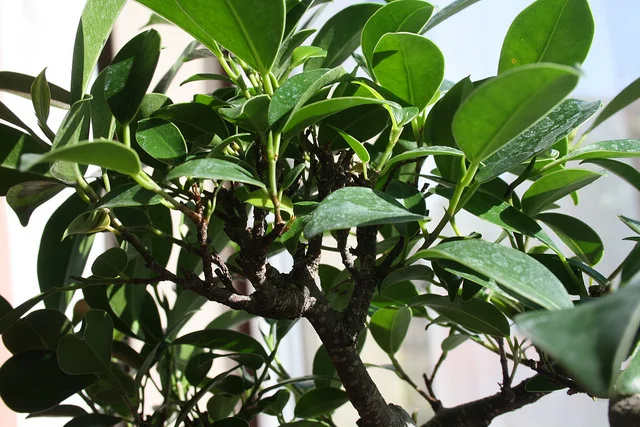
Ficus Retusa is a popular choice for bonsai cultivation and is often found in supermarkets. It can be hard to distinguish from the Microcarpa due to their similar aerial roots and glossy leaves, but Retusa typically has smaller leaves.
Bonsai Ficus Microcarpa
Known as Ficus Ginseng, this species originates from Sri Lanka, India, and southern China. Its wavy aerial roots and shiny leaves closely resemble those of Ficus Retusa, although Microcarpa leaves are generally wider.
Bonsai Ficus Benjamina
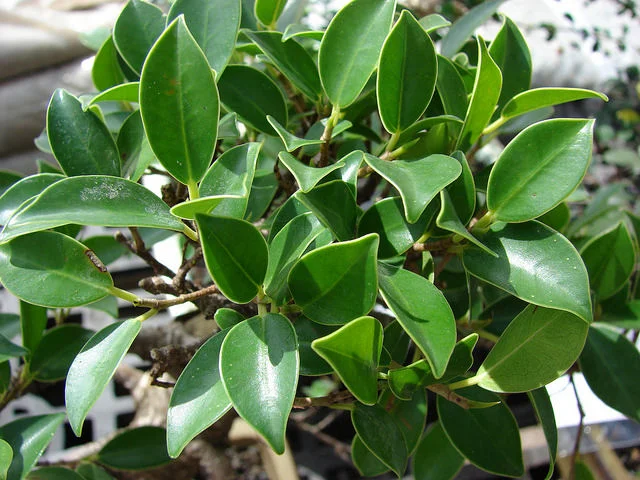
The Ficus Benjamina, or weeping fig, is native to India and adapts well to bonsai culture. Some varieties feature variegated leaves (green and white), while others have glossy green foliage.