Caring for Japanese Maple Bonsai: A Comprehensive Guide
Learn how to care for a Japanese maple bonsai, including placement, watering, repotting, fertilization, pruning, and disease management.
Japanese Maple Bonsai
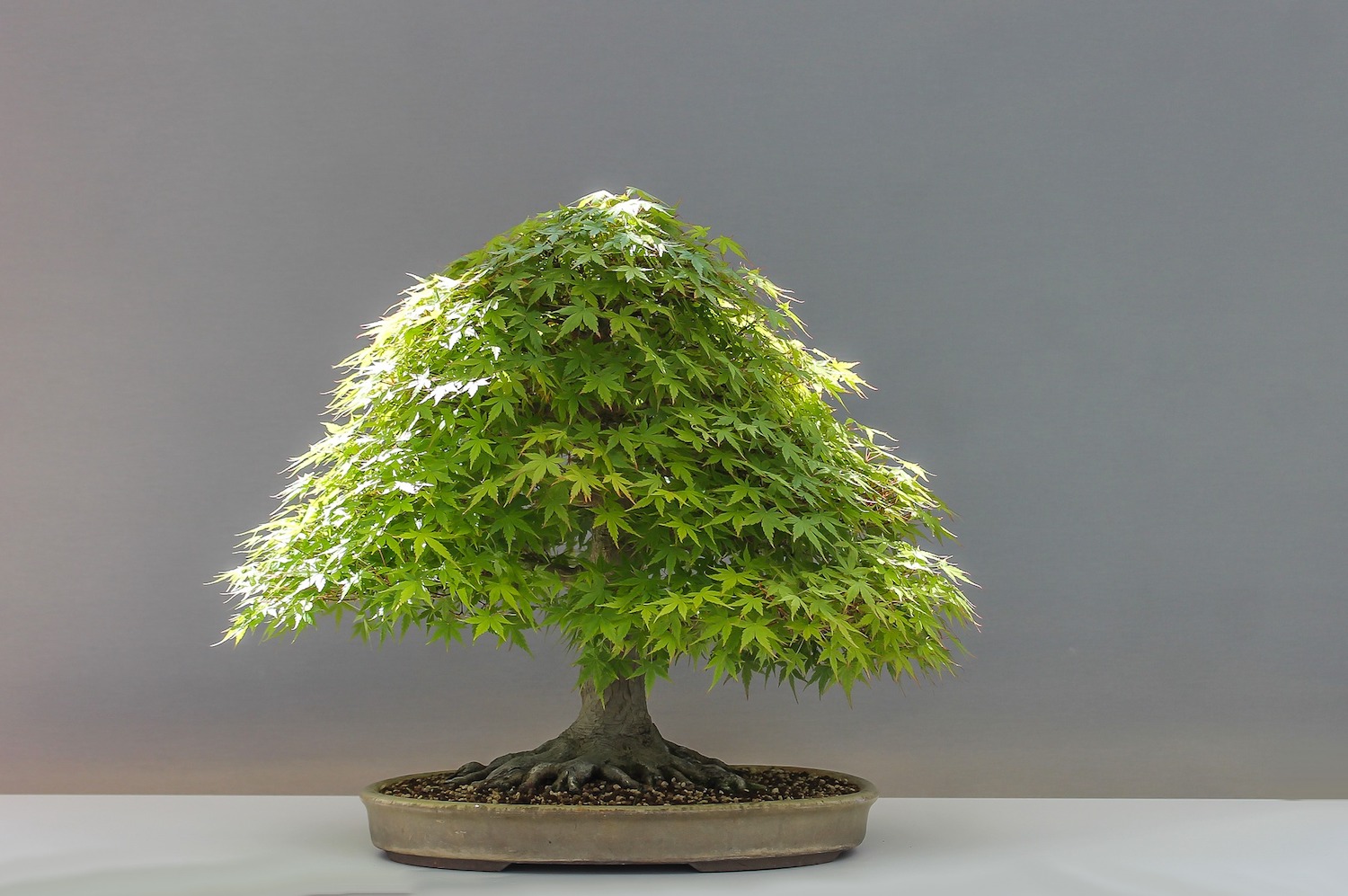
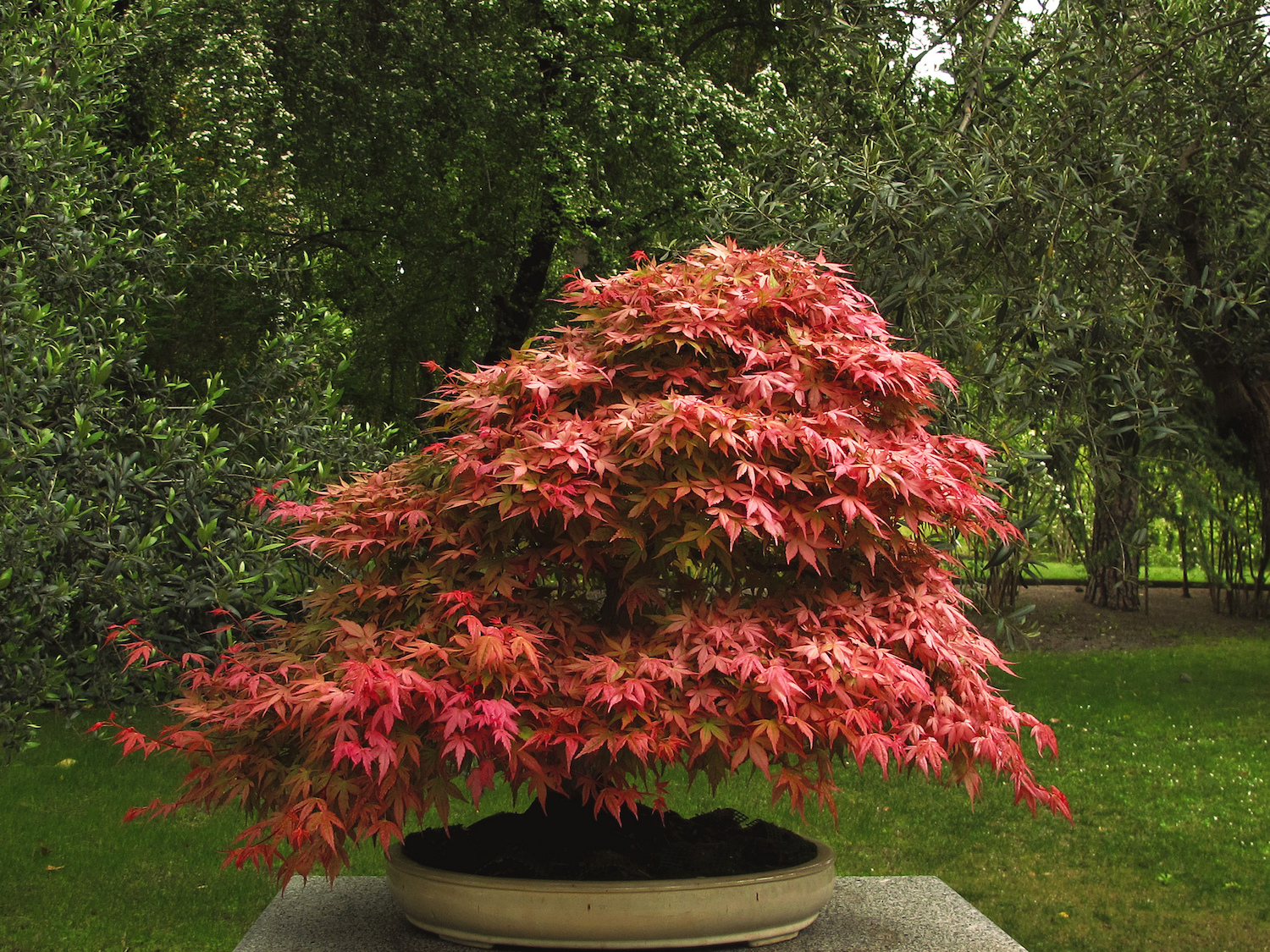
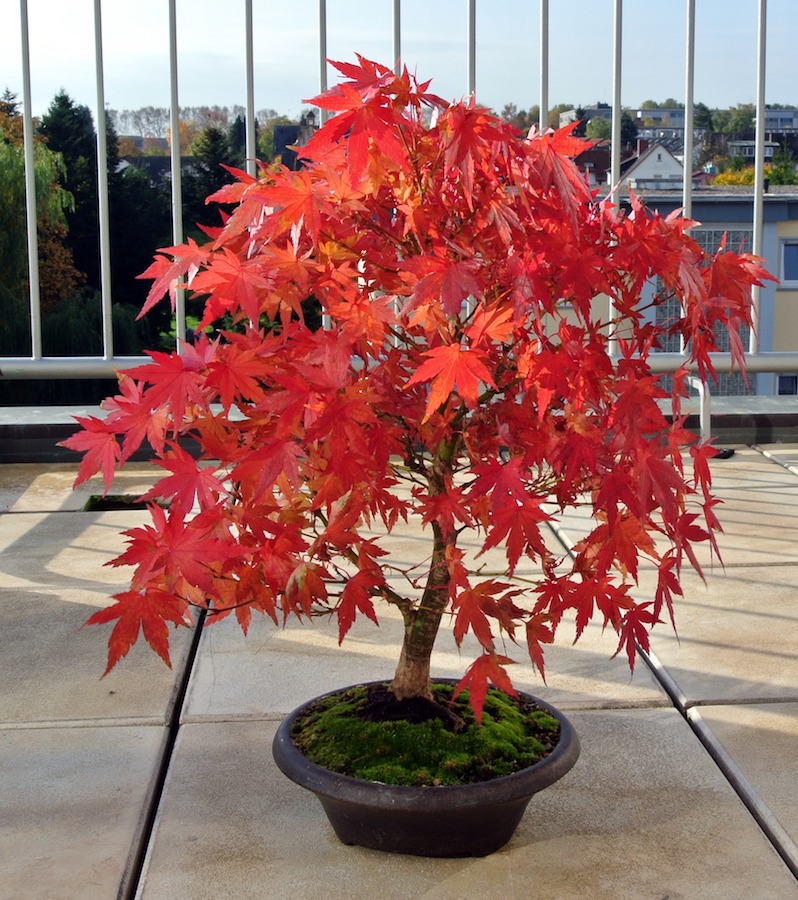
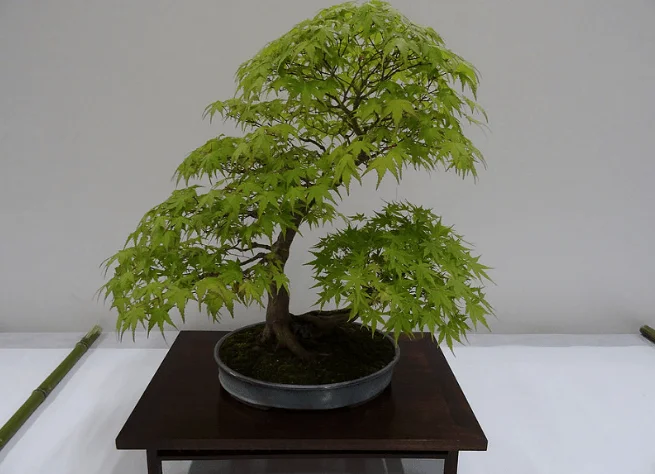
Japanese maple bonsai is a popular choice among enthusiasts due to its vibrant foliage and intricate structure. Native to Japan and China, the maple is a deciduous tree that encompasses over 150 varieties of trees and shrubs. Among these, the Acer Palmatum, commonly known as the Japanese maple, is the most recognized and widely cultivated for bonsai.
Positioning Your Bonsai
Maples thrive in sunlight, but during the summer months, it's crucial to shield your bonsai from prolonged exposure to the sun and wind to prevent leaf burn. Ideally, place your bonsai in a sunny spot in the morning and provide partial shade in the afternoon. If such conditions are unavailable, using a shade cloth can help protect it from excessive heat. Be aware that too much shade can lead to enlarged foliage, distorting the bonsai's shape.
Although maples can tolerate temperatures ranging from -10°C to +30°C depending on the variety, it's essential to protect them from winter frost with mulching.
Watering Your Bonsai
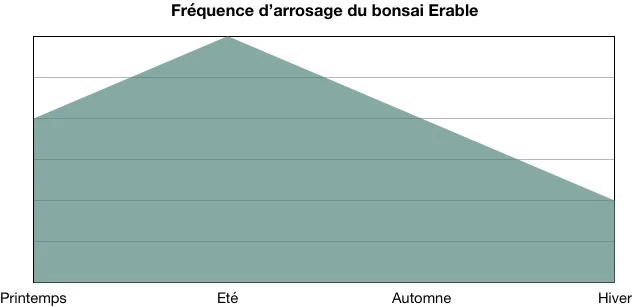
The fundamental principles of watering apply to the maple bonsai as well. Water thoroughly only when the substrate has dried out, allowing the soil to dry between waterings. In emergencies, such as heatwaves or sudden drying of the substrate, bathing—submerging the pot in water—can be beneficial. Additionally, you can mist the leaves for added humidity.
During hot summer days, it’s best to water generously in the morning or early evening while avoiding misting, which could scorch the foliage.
Watering Frequency
Watering Tips
- Opt for rainwater over tap water, which often contains lime. If rainwater isn’t available, filtered tap water (using a Brita pitcher) is a good alternative.
- Avoid arbitrary watering; instead, check the moisture level by touching the substrate to determine if your tree requires water.
Repotting Your Bonsai
It is generally recommended to repot young or vigorous bonsai annually, while older specimens should be repotted every 2 to 3 years. The best time to repot a Japanese maple bonsai is before the buds break, typically in March or April.
Steps for Repotting
- Remove the bonsai from its pot. If it's stuck, cut any anchoring wires using wire cutters.
- Carefully remove all substrate and gently untangle the roots with a chopstick or root rake.
- Trim the thicker roots to encourage the growth of new feeder roots, which are vital for nourishment.
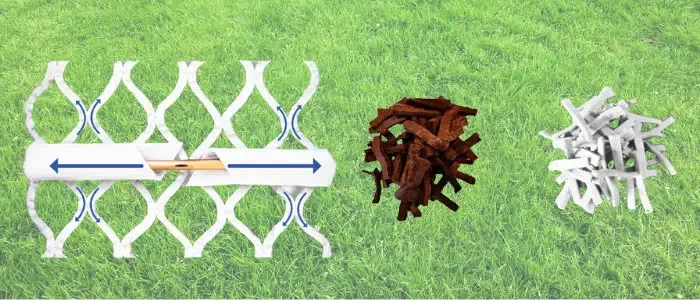
- Place a drainage grid over the drainage holes of the new or existing pot.
- Add a layer of pumice or akadama at the bottom for drainage. If unavailable, gravel can be used.
- Cover with a thin layer of substrate and position your bonsai in the pot.
- Fill the gaps with substrate and compact it using your fingers or a chopstick. Add more substrate if necessary.
- Finally, water your bonsai thoroughly.
Repotting Tip: After repotting, wait at least 15 days before fertilizing, especially after root pruning.
Substrate, Soil, and Ground
The substrate should be fresh yet well-draining. Maples dislike waterlogged soils but also cannot tolerate dryness. The choice of substrate depends on your watering frequency, location, and regional climate.
Here are some substrate examples for maple bonsai:
- 50% Akadama, 25% pumice, and 25% lava rock.
- 70% Akadama and 30% Kanuma.
- 50% pumice, 30% pumice, 10% sifted heather soil, and 10% sifted pine bark.
- 40% pumice, 25% pumice, 25% heather soil, and 10% pine bark.
Fertilization and Feeding
In a pot, the roots quickly deplete the nutrients available in the soil, and frequent watering can wash them away. Therefore, it's essential to apply fertilizer to promote growth and maintain health.
Feed your maple bonsai with an organic liquid or solid fertilizer (like Biogold) that is rich in Nitrogen (N), Phosphorus (P), and Potassium (K).
The Role of Fertilizer Components
- Nitrogen (N): Encourages leaf and stem growth.
- Phosphorus (P): Enhances root development.
- Potassium (K): Strengthens the tree's defenses against diseases by boosting the nutrient reserves in the roots.
In spring, around March or April, provide a nitrogen-rich organic fertilizer to support growth. In autumn, switch to a fertilizer higher in Phosphorus and Potassium to improve root growth and enhance nutrient reserves for winter.
When using liquid fertilizers, be sure to follow the instructions on the bottle, as they can be more corrosive than solid fertilizers and may burn the roots if misapplied.
Pruning Your Maple Bonsai
Structural Pruning
As the name suggests, structural pruning aims to reshape your tree, restoring its form and style. This should be done in winter, after the leaves have fallen, to minimize sap loss. When pruning larger branches, apply wound paste to aid healing.
After the growth period, some branches may grow excessively or inappropriately, disrupting the bonsai’s shape. These are the branches that need to be trimmed. Start pruning from the bottom to gain a better visual perspective of the desired shape.
Maintenance Pruning
Maintenance pruning occurs during the growing season on older, established maples. Trim the tips of the shoots once the two small terminal leaves have unfolded to prevent excessive growth and keep the leaves from becoming too large. For more substantial branches, scissors are essential.
Defoliation
Defoliation is a technique that involves partially or completely removing all leaves from a deciduous tree to encourage leaf regeneration and increased branching. This should only be done on healthy specimens, as the process can be taxing on the bonsai. It is advisable to space defoliation by at least two to three years and avoid it during repotting years.
Diseases
Maples are quite resilient when planted in suitable substrate, positioned correctly, and well cared for, but they can exhibit symptoms that may suggest illness.
Browning and Drying Leaf Tips
On Japanese maples, burnt, dry tips, curled or twisted leaves are often observed in spring, summer, or autumn. This is usually due to excessive exposure to wind, sun, or dry air. Don’t worry; it’s not critical. Simply choose a less exposed position that offers some shade, especially during hot spells.
Leaf Drop
This can occur due to overwatering or compacted substrate. Repot your bonsai in well-draining soil and trim the roots by one-third before root rot sets in.
If leaf drop happens in autumn or winter, there’s no cause for alarm. The Japanese maple is a deciduous species, so losing leaves is a natural part of its life cycle.
Photos of Japanese Maple Bonsai