Caring for Your Zelkova Bonsai: A Comprehensive Guide
Discover the essential care guide for Zelkova bonsai, including optimal placement, watering techniques, fertilization, and solutions for common leaf issues.
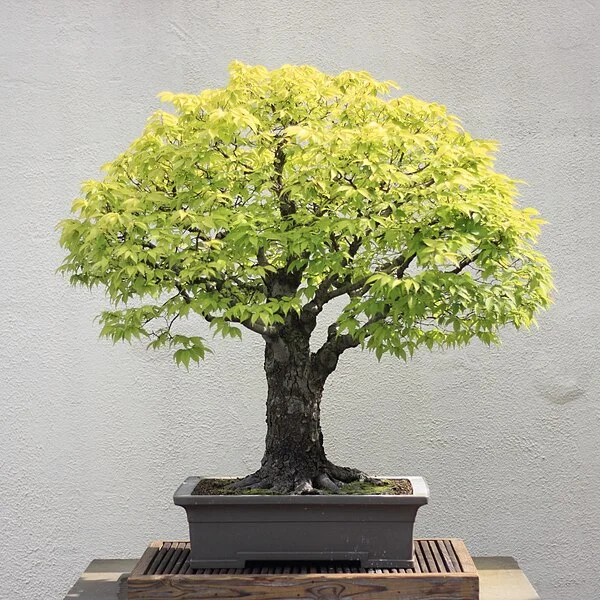
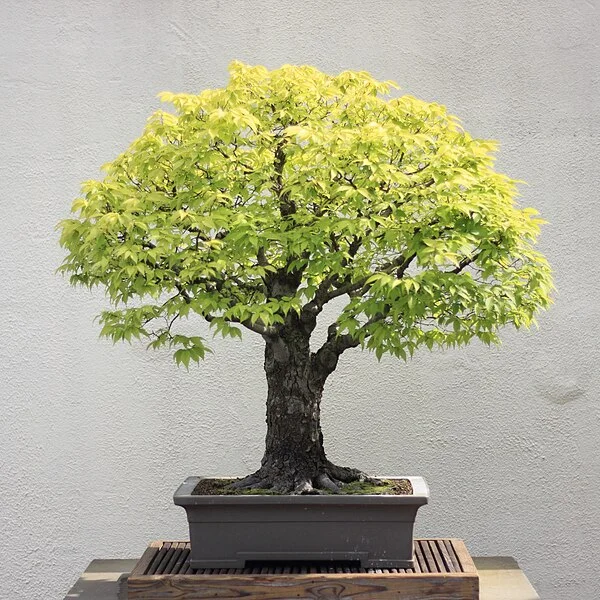
Zelkova Bonsai (Japanese Elm): A Complete Care Guide
The Zelkova bonsai, commonly known as the Japanese Elm, is a deciduous tree native to East Asia and Europe, making it a popular choice for bonsai cultivation. As a member of the Ulmaceae family, it is admired for its small, elegant leaves, decorative bark, and ability to thrive in various light and humidity conditions. While it is a close relative of the Chinese elm, the Zelkova requires careful attention: regular watering, precise pruning, and monitoring of environmental conditions are essential to maintain its miniature form and overall health.
Optimal Placement for Your Zelkova Bonsai
The Zelkova is resilient yet sensitive to excesses. To ensure its flourishing, follow these essential guidelines based on the seasons:
Summer Care
During summer, provide a sunny to partially shaded location outdoors. Avoid direct sunlight during peak hours (between 12 PM and 4 PM) to minimize the risk of dehydration or leaf burn. Tip: An east or west exposure is often ideal in the summer months.
Winter Care
While the Zelkova can withstand cold temperatures, it is vulnerable to severe frost. In areas with harsh winters, it should be placed in a cool (5-10°C) and bright environment: a non-heated conservatory, a garage with a window, or a cold greenhouse. Avoid positioning it near heat sources (like radiators or fireplaces), as these can dry out its substrate.
Important Considerations
Needs can vary based on the age of the tree, its health, or local climate. Regularly observe its foliage and adjust its location as needed (yellowing leaves may indicate a lack of light, while drying branches could suggest too much sun).
Watering Your Zelkova Bonsai: Frequency, Methods, and Common Mistakes
Watering is crucial for the health of your Zelkova. Here’s how to do it correctly while avoiding common pitfalls:
Basic Principles
- The Zelkova prefers a slightly moist substrate but dislikes stagnant water. Proper drainage is essential to prevent root rot.
- Adjust the frequency based on:
- The size of the pot (smaller pots dry out faster).
- The type of substrate (akadama, pumice, bonsai soil, etc.).
- The season (increased needs in summer, reduced in winter).
- The placement (a bonsai in full sun will require more frequent watering).
Seasonal Watering Tips
- In summer or during heatwaves: Water generously in the early morning or late evening (avoid hot hours). Do not mist the foliage: water droplets can act like magnifying glasses under the sun and burn the leaves.
- In winter: Reduce watering, but never allow the substrate to dry out completely. Check the soil with your finger before watering.
Best Practices (and Mistakes to Avoid)
For further information:
- Necessary tools for repotting.
- How to choose the right pot for your bonsai.
Fertilizing Your Zelkova: When and How to Feed Your Bonsai
Since it is grown in a small volume of substrate, the Zelkova quickly depletes available nutrients. Therefore, appropriate fertilization is essential to:
- Stimulate growth (dense foliage, vigorous branches).
- Enhance resistance to diseases.
- Prepare for winter or its spring revival.
Fertilization Calendar
| Season | Type of Fertilizer | Frequency | Main Objective | |--------------|----------------------------------------------|------------------|-------------------------------------| | Spring | Balanced fertilizer (NPK 5-5-5 or similar) | Every 15 days | Leaf and root growth | | Autumn | Low nitrogen fertilizer (e.g., NPK 3-6-6) | Every 20-30 days | Strengthening reserves for winter | | Summer/Winter | No fertilizer | – | Avoid water or root stress |
Recommended fertilizer example: Biogold (slow-release organic).
Understanding the Key NPK Elements
- Nitrogen (N): Promotes leaf and stem growth.
- Phosphorus (P): Enhances root development and flowering (if applicable).
- Potassium (K): Strengthens disease resistance and optimizes sap circulation.
Important Precautions
- Never fertilize a bonsai that is sick, weakened, or recently repotted (wait 2-3 weeks after repotting).
- For liquid fertilizers, follow the indicated doses and space applications every 2-3 waterings.
- Cease all fertilization as temperatures drop below 10°C (to avoid root burns).
My Zelkova Bonsai is Shedding Leaves: Causes and Solutions
Is your Zelkova losing its leaves? Don’t panic: this occurrence is not always indicative of illness. Here are the most common causes and how to address them.
Normal Cases (No Need for Concern)
- Natural Cycle: The Zelkova is a semi-deciduous tree. It may lose some leaves in autumn or spring, especially with changing conditions (temperature, light).
- Adjustment After Purchase: A newly acquired bonsai may lose leaves as it acclimatizes to its new environment. If new buds appear, it’s a positive sign!
Common Problems (To Address Promptly)
| Symptom | Likely Cause | Solution | |------------------------------|----------------------------------|-----------------------------------------------------------------| | Leaves yellowing and falling | Overwatering (suffocated roots) | Let the substrate dry, repot if necessary with a draining mix (akadama + pumice).| | Leaves dry and brittle | Lack of water or too dry air | Water more and place the pot on a bed of moist clay pebbles.| | Leaves blackened or spotted | Fungus (excess moisture) | Treat with a natural fungicide and improve aeration. | | Leaves pale and small | Lack of light or deficiency | Move to a brighter location and fertilize with a nitrogen-rich fertilizer.|
Preventive Tips
- Check the substrate: It should be aerated and draining. If compacted, repot your bonsai.
- Monitor the placement: Not too dark, nor in blazing sunlight.
- Stop fertilization if your bonsai is losing leaves (wait for it to recover).
- Watch for pests (such as spider mites, scale insects) that can weaken the tree.