Exploring the Epipremnum aureum 'Neon' Pothos: A Gardener’s Delight
Discover the vibrant Epipremnum aureum 'Neon' pothos, its care tips, and how to distinguish it from other varieties.
- by francescodiliddo
- article dated July 15, 2026
- No comments
The pothos, often referred to as the grandmother's plant, is experiencing a resurgence in popularity, particularly with remarkable hybrids. In my attic, summer temperatures can soar to 30°C, and only the hardiest plants can thrive in such conditions for extended periods with little air circulation. Over the years, I have cultivated the classic pothos ‘Marble Queen’, known for its dense and vibrant variegation featuring creamy white and gray-green hues. Recently, I have also added the Epipremnum aureum ‘Neon’, along with E. ‘Happy Leaf’ and ‘N’Joy’ pothos to my collection. Previously, I had grown the Epipremnum aureum ‘Manjula’, which I later gifted to a friend.
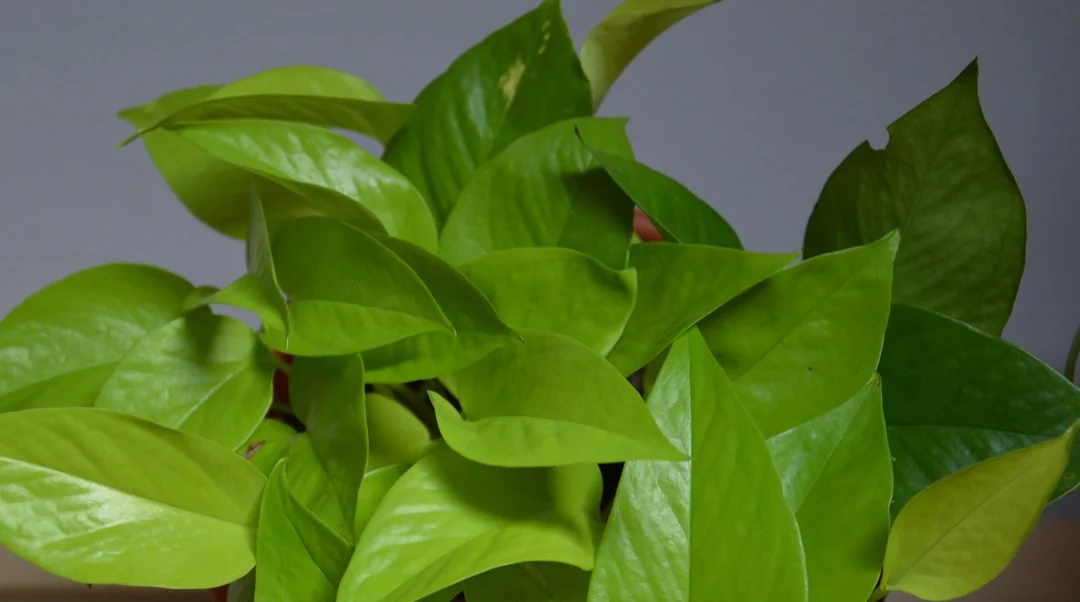
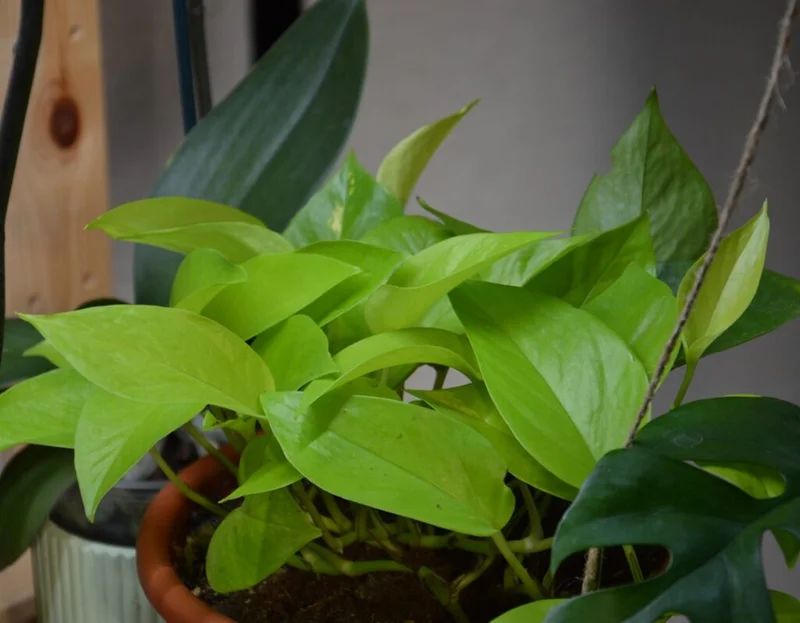
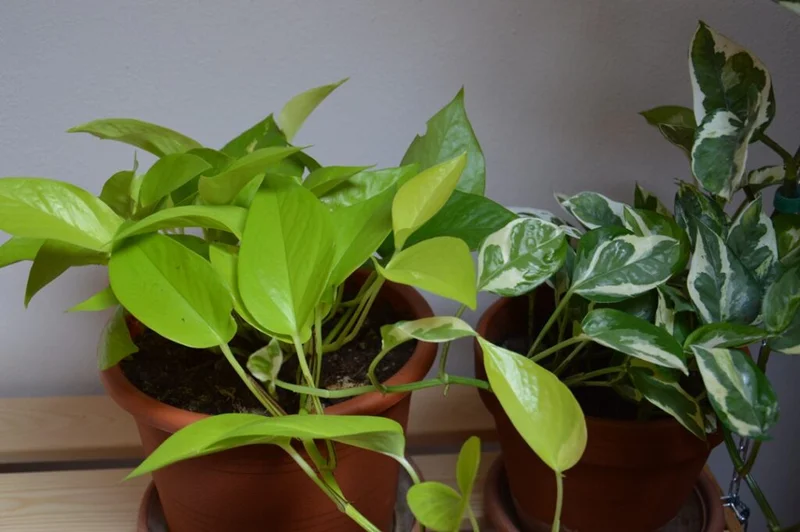
The Epipremnum aureum ‘Neon’, commonly known as Neon Pothos, showcases striking leaves in a uniform and bright lemon yellow or lime green. Unlike other varieties, it lacks spots or different-colored veins; the young leaves appear almost fluorescent, gradually darkening to a soft apple green as they mature.
To help avoid confusion during purchasing—especially since labels can often be misleading—it's important to note several distinguishing features: the pothos ‘Marble Queen’ displays a much more intense variegation with shades leaning towards creamy white or gray-green rather than golden yellow. The Epipremnum ‘N’Joy’ has significantly smaller leaves with clearly defined geometric sections of pure white and dark green. Meanwhile, the pothos ‘Happy Leaf’ features broader, rounded leaves with wavy edges, exhibiting a more compact growth habit and slower growth rate due to its lesser chlorophyll content in the white areas of the leaves. Below, I share some cultivation tips for this easy-to-care-for plant among your green companions. Enjoy your gardening! Francesco Diliddo.
Curiosities and Care Tips for the Epipremnum aureum ‘Neon’
The Epipremnum aureum belongs to the Araceae family, with some specimens in nature reaching lengths of up to five meters. These plants develop aerial roots that help them cling to trees, allowing them to absorb water and nutrients. When potting, a particularly large container is unnecessary; placing shards or expanded clay at the bottom can assist with drainage. Like many evergreen houseplants, the Epipremnum aureum ‘Neon’ benefits from nitrogen-based fertilizers, or if you prefer natural options, those derived from seaweed are excellent.
This plant thrives in bright light, though direct sunlight should be avoided to enhance the leaf variegation. Personally, I grow mine under grow lights, and the leaves remain stunning. The soil for the Epipremnum aureum ‘Neon’ should be kept fresh and consistently moist, rich in organic nutrients, but never soggy. With these simple guidelines, the pothos will reward you with abundant growth.
During winter, it's advisable to keep the plant away from radiators and air conditioners in the summer. There isn’t a strict watering schedule, as it varies with the season and the size of the pot and plant. It’s best to allow the top few centimeters of soil to dry out before watering again. The pothos sends clear signals: if the leaves droop and bend, the plant is thirsty; conversely, if they yellow and drop, it indicates overwatering.
The Epipremnum aureum ‘Neon’ enjoys high humidity levels (50-60%), which can be achieved by placing the pot on a saucer filled with expanded clay and a thin layer of water, ensuring the pot's base doesn’t touch the water. Repotting should occur every 1-2 years in the spring, only when the roots begin to emerge from the drainage holes or circle the pot's interior. The new pot should only be 2-3 cm larger than the previous one.
- balcony, Epipremnum aureum Neon pothos, flowers, photography, garden, gardening, giardinaggio, giardino, neon pothos, green