How to Cultivate and Maintain Water Aloe (Stratiotes aloides) in Your Pond
Explore how to cultivate and maintain water aloe (Stratiotes aloides) in your pond, including its benefits to biodiversity and care tips.
How to Cultivate and Maintain Water Aloe (Stratiotes aloides) in Your Pond
July 30, 2026
Water aloe, or Stratiotes aloides, is an attractive aquatic perennial that enhances natural ponds and water gardens. This European plant is resilient, even in harsh winters, and thrives in calm waters where it plays a crucial ecological role. This guide provides practical insights into its morphology, planting, and care, making it accessible for both gardening professionals and enthusiastic amateurs.
Identifying Water Aloe
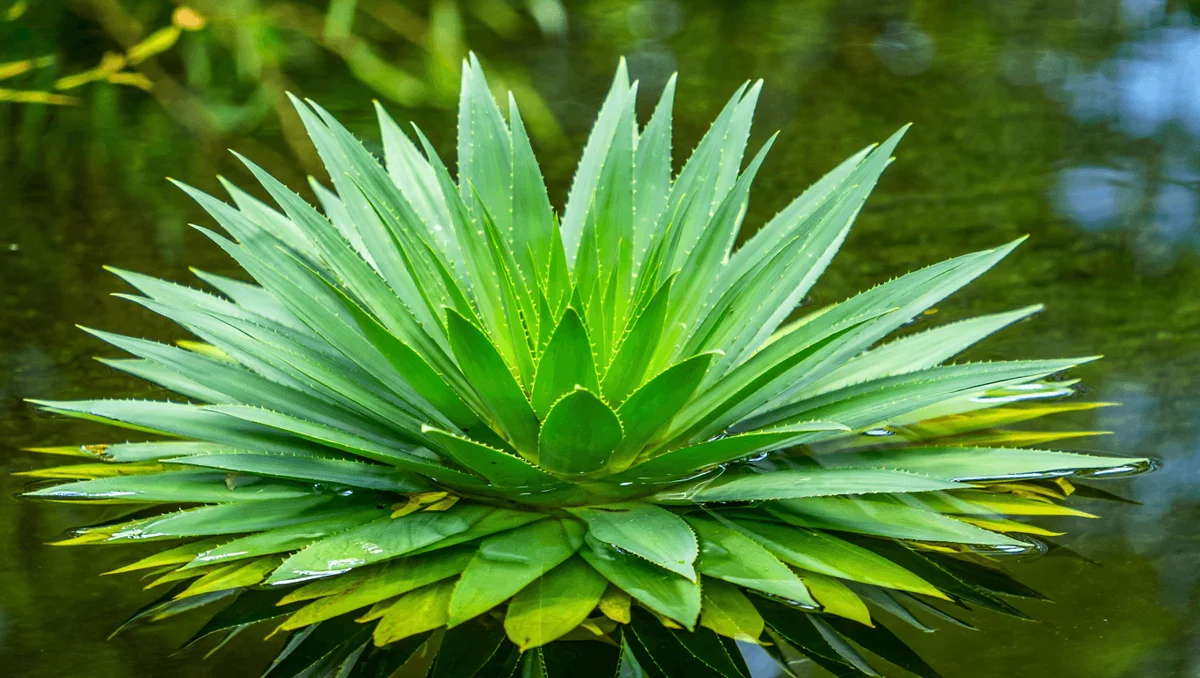
Water aloe features dense rosette leaves that resemble those of a pineapple, contributing to its common nicknames. The leaves are long and lanceolate, reaching up to 50 cm in length, with slightly serrated and rigid edges. During colder months, the plant primarily remains submerged, surfacing in spring to float on the water.
The flowers bloom in the summer, appearing as white cup-shaped blossoms, sometimes with a pale pink hue, measuring 2 to 3 cm in diameter. This dioecious species has distinct male and female plants, which is essential for natural fertilization. Propagation mainly occurs through short stolons, which can lead to vigorous growth in a pond.
Optimal Water Depth and Exposure
Water aloe thrives in full sun or partial shade, depending on the local climate and sunlight exposure in the garden. The ideal water depth ranges from 20 to 30 cm, although the plant can adapt to gentle slopes at the pond's edge. The water should be calm and slightly alkaline, with a silty substrate to anchor the stolons effectively.
It is advisable to avoid areas with strong currents or significant temperature fluctuations, as these conditions can hinder the spring emergence of the rosettes. Planting near the bank also facilitates observation and management of any potential offshoots, enhancing its role as a natural oxygenator and filter within the aquatic ecosystem.
Planting and Dividing Stratiotes aloides
The best time to plant water aloe is in spring when the plant resumes active growth and the risk of frost diminishes. It is recommended to place the plant near the slope of the pond, allowing the rosette to settle at the desired depth without needing complex potting techniques. If a natural slope is unavailable, a stack of bricks or a stable support can help achieve the optimal depth.
Dividing the stolons during summer is the simplest method for multiplying healthy specimens and preventing a single plant from becoming overcrowded. Given the plant's propensity for reproduction, it is crucial not to overcrowd the planting area. Generally, limiting to three plants per square meter ensures a balanced coverage and proper water circulation.
- Choose a calm, sunny location.
- Plant in spring at a depth of 20–30 cm.
- Divide stolons in summer to prevent overcrowding.
- Limit the number of plants to avoid density issues.
Maintenance Practices
Maintaining water aloe requires minimal effort; regular monitoring is sufficient to prevent overgrowth. Periodically remove offshoots and aging rosettes to control uncontrolled spread and maintain aesthetics. No specific fertilization is needed for most natural ponds.
If overgrowth occurs, simple mechanical intervention can restore balance to the water body. The plant does not need to be wintered indoors and can tolerate low temperatures down to about -25°C, making it suitable for various European climates. These characteristics explain its frequent presence in domestic and semi-natural aquatic ecosystems.
Ecological Benefits of Water Aloe
Stratiotes aloides provides several ecological benefits for garden ponds. It contributes to water oxygenation, enhances quality by acting as a filter, and offers shelter for amphibians and invertebrates. These ecological services promote species diversity and create microhabitats conducive to the reproduction of local species.
Additionally, the plant can serve as a spawning ground for aquatic insects and provide shaded areas for other organisms. By incorporating water aloe into a pond, you support a natural balance without resorting to chemical treatments. This is an asset for those seeking a vibrant and self-sustaining water feature.
Potential Diseases and Management Issues
Water aloe is typically resistant to diseases and pests, making it low-maintenance. However, its ability to spread through stolons can become problematic if left unchecked. Annual monitoring and simple removals often suffice to maintain a reasonable density.
In some regions, proliferation may raise management concerns if the plant covers too large an area. The presence of both male and female plants allows for sexual reproduction, but vegetative propagation remains the primary means of expansion. If necessary, manual removals or controlled bank modifications can effectively manage this growth.
Summary Sheet
| Characteristic | Value | |-------------------------------|---------------------| | Species | Stratiotes aloides | | Type | Aquatic perennial | | Recommended Depth | 20–30 cm | | Flowering | May to August, white flowers | | Hardiness | Down to approximately -25°C | | Propagation | Short stolons, division in summer |