Embracing February: The Ideal Time for Cold-Loving Seeds
February is a crucial month for gardeners, especially for those looking to sow cold-loving seeds. Understanding the right conditions and timing can lead to a thriving garden come spring.
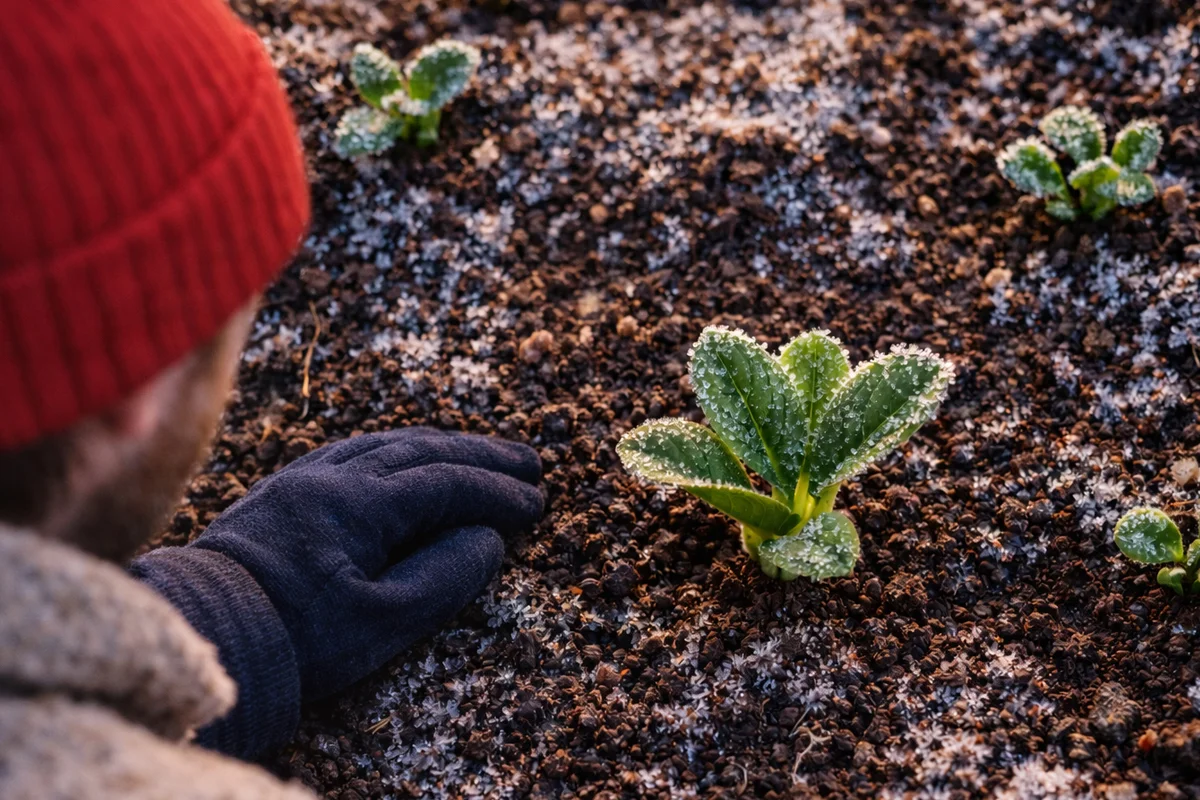
As February unfolds, gardens still feel the lingering grip of winter. The soil is cool to the touch, somewhat heavy, and occasionally glistening with moisture. The air has a crisp bite. As we move slowly between the rows, it feels as if our very footsteps could awaken something dormant. And then, there’s that small detail, almost defiant: a fine crack on the soil’s surface, a subtle lift, like a breath. Germination. Quiet yet determined. At this moment, hesitation creeps in. You glance at the seed packet, then set it down. Is it too early? In fact, some seeds thrive precisely during this period—not in the settled warmth of spring, but during February’s brief thaws, its returning light, and its still-cool temperatures. Sowing now isn’t an act of bravado; it aligns with a natural rhythm that begins before spring’s grand announcements. Understanding which seeds prefer this cool start can transform your garden: enhancing plant vigor, staggering harvests, reducing weed pressure, and even lowering the gardener’s stress, who no longer feels the need to launch everything at once in March.
The Underestimated Cold Trigger
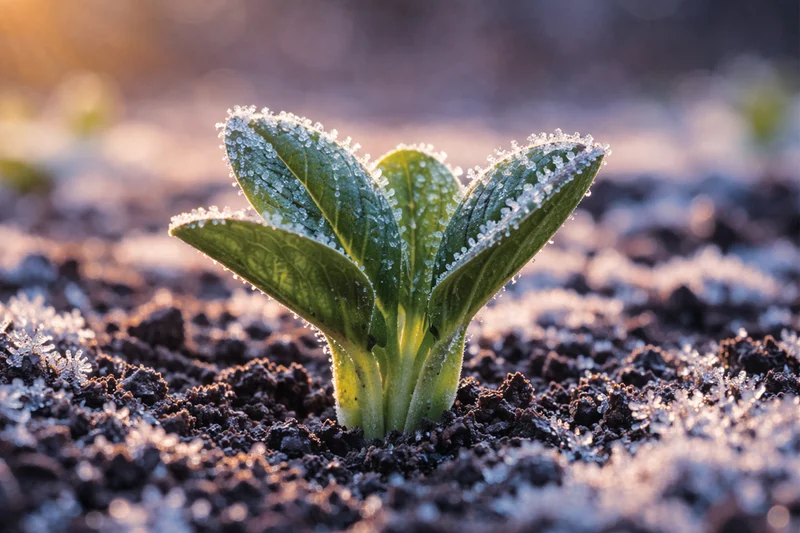
Germination is often associated with warmth, especially for crops like tomatoes, zucchinis, or cucumbers. However, some species have adapted to longer, slower seasons where an early start is advantageous. Their metabolism can tolerate lower temperatures, and their initial growth is intentionally subdued, allowing them to focus on the essentials: establishing roots, anchoring themselves, and preparing for what lies ahead. In fact, excessive warmth early in the season can weaken more seedlings than moderate cold.
Broad beans exemplify this reassurance. They germinate at modest temperatures, settle in quietly, and can withstand the occasional frost without issue. Similarly, round peas thrive in still-cool soil, prioritizing foundational growth over immediate performance. This foundational strength means that when spring accelerates, these plants are already in sync with the season.
Spring spinach, often finicky when sown too late, finds an ideal window in February. Sown in cooler conditions, they have the time to produce lush leaves before the threat of bolting arises. The same principle applies to early radishes, especially when given light protection: consistent growth without sudden heat fluctuations results in a more tender, less pungent texture. Here, moderate cold acts not as a barrier but as a regulator.
A Simple Gesture Before Sowing: Listen to the Soil
February requires a touch of finesse. It's not about grand maneuvers but rather paying attention to the signals. The most useful tool is a handful of soil. If it sticks together, forming a heavy, shiny ball, the ground is still too saturated: seeds risk suffocating, rotting, or being overwhelmed by excess cold water. Conversely, if the soil crumbles gently between your fingers without turning to dust, it’s a precious sign: the structure is beginning to rebalance, air is circulating, and soil life is awakening.
There are also more poetic yet tangible indicators. The first spontaneous weeds, timid dandelions opening during the day, and birds beginning to squabble near hedges. These are not strict “proofs,” but seasonal markers. The garden doesn’t awaken overnight; it brightens gradually. These subtle cues are often enough to decide on a first, calm, reasonable sowing.
Under Shelter, Advancement Becomes Simple (and Gentle)
Not everyone experiences February the same way. Depending on the region, the differences can be vast: milder oceanic climates, persistent frost pockets in continental areas, and very cold nights at altitude. The good news is that a light shelter can often make February more stable. A tunnel, cold frame, mini-greenhouse, or well-placed frost cloth can reduce temperature extremes, which is precisely what seedlings need at this stage: fewer extremes.
In these conditions, one can start spring lettuces in trays or pots, prepare early cabbages, and sow white onions in a nursery. There’s nothing exotic or spectacular about it. Instead, it’s a genuine head start, particularly because it aligns with a longer timeline: these young plants will be ready at the right moment, without haste. Most importantly, it avoids the classic February error: believing everything must already be “warm.” Heat without light leads to spindly, fragile plants that exhaust themselves searching for sunlight. In February, light becomes the decisive factor. It increases rapidly, almost unnoticed, and it is this progression that makes the head start worthwhile.
Common Pitfalls in February (and Why)
If February has earned a reputation as a “treacherous” month, it’s not because it’s impossible to sow. It’s because it forgives less for excesses. Sowing too deeply, for instance: in still-dense soil, the seedling takes longer to surface, exhausting itself before it sees the light. Overwatering is another common mistake: with low evaporation, the soil retains moisture, and stagnant cold water becomes a silent trap. Finally, using a substrate that is too compact: young roots need air as much as they need water, and heavy soil slows everything down.
Success in February resembles restraint. It’s about measured gestures. A light watering, sometimes just with a spray bottle. Regular monitoring instead of drastic measures. This is a month for accompanying rather than correcting. And that’s precisely what makes it enjoyable: it encourages observation, adjustment, and understanding instead of rigidly following a schedule. If nothing germinates, it’s not a failure. February is a dialogue, not a verdict.
Seeds That Thrive in February
Without turning the garden into a dashboard, one can keep a simple idea in mind: in February, favor hardy crops that tolerate coolness and start slowly. Broad beans and round peas are the cornerstones. Spinach follows closely, especially in well-nourished organic soil. Early radishes, under light protection, offer quick satisfaction and a first harvest that “kicks off” the season. Early carrots can work under shelter, in light soil, without excess water. And the first lettuces, sown in protected settings, prepare quietly for what’s next.
Conversely, summer vegetables should wait. Not out of rigidity, but in respect for their biology: zucchinis, beans, and cucumbers require warmth and strong light. Forcing them in February often leads to stressed, vulnerable plants that demand disproportionate attention later. February is not a month for performance; it’s a month for balance.
Try This Week
Choose a well-exposed bed and conduct a simple test: sow a short row of early radishes under cover (or in a tunnel), then a short row without protection right next to it. Same variety, same depth, same watering. Observe for ten days. You’ll quickly see how “a few degrees of stability” truly makes a difference, without transforming your entire garden into a laboratory.
A Happy Side Effect: The Garden Also Aids Wildlife
In early sowings, there’s a benefit that isn’t always sought but matters: the staggering of crops. A garden that starts gradually offers a more continuous calendar, earlier soil coverage, and micro-habitats that return before the density of March and April. Earthworms, more active during thaws, find less bare ground. Above, the first discreet insects resume their cycles. While this doesn’t transform a garden overnight, it contributes to what many seek: a productive garden that remains gentle, vibrant, and less “unnatural.”
Mild or Cold Climate: The Art of Weather Windows
The true secret of February often lies in a simple notion: the weather window. A brief thaw can be enough to trigger germination. Seeds don’t require a fully established spring; they need an opportunity. In milder regions, this opportunity arises more frequently, sometimes allowing for sowing directly in the ground, with protection ready if frost is forecast. In colder areas, shelter becomes the ideal partner: not to “heat” but to smooth out variations. In all cases, observation takes precedence over merely following a national calendar. The garden progresses locally. One must walk alongside it.
What March Will Thank You for Doing in February
Sowing in February changes the entry into the season. Early-established crops occupy space before spontaneous weeds take over. They structure the beds. They offer slightly earlier harvests, but more importantly, they create a more staggered yield. This transforms March: instead of a frantic rush, there is continuity. One continues, adjusts, and completes. The garden becomes a flow rather than a sprint.
In a few weeks, leaves will unfurl boldly. The soil will feel softer underfoot. Birds will be noisier. And you will already have something growing. February is not a month of waiting; it’s a month of active transition. Some seeds have known this all along: they prefer moderate cold. They start gently. And this quiet beginning often makes all the difference when the season accelerates.
Mini Sowing Calendar (February → Early March)
| Period | To Sow | Where | Little “Plus” | |----------------------|----------------------------------|--------------------------------------|---------------------------------------------| | February 12-18 | Broad beans, round peas | Open ground (if soil is dry) or under cover | Sow shallow, water very lightly | | February 19-25 | Early radishes, spinach | Under tunnel/frame (ideal) or well-exposed edge | Keep soil just moist, never waterlogged | | February 26-March 3 | Spring lettuces, white onions (nursery) | Trays/pots under bright shelter | Favor light over heat | | March 4-10 | Early carrots (if light soil), radishes (restart) | Under shelter or open ground in mild climate | Fine-tune surface soil without deep turning |
Tip: If a cold snap is forecast, don’t panic. Protect with a cover at night, ventilate as soon as the sun returns. February rewards measured actions.