How to Identify and Cultivate Giant Fennel (Ferula communis)
Discover how to identify and cultivate Giant Fennel (Ferula communis), a striking perennial plant with ornamental value and ecological benefits.
How to Identify and Cultivate Giant Fennel (Ferula communis)
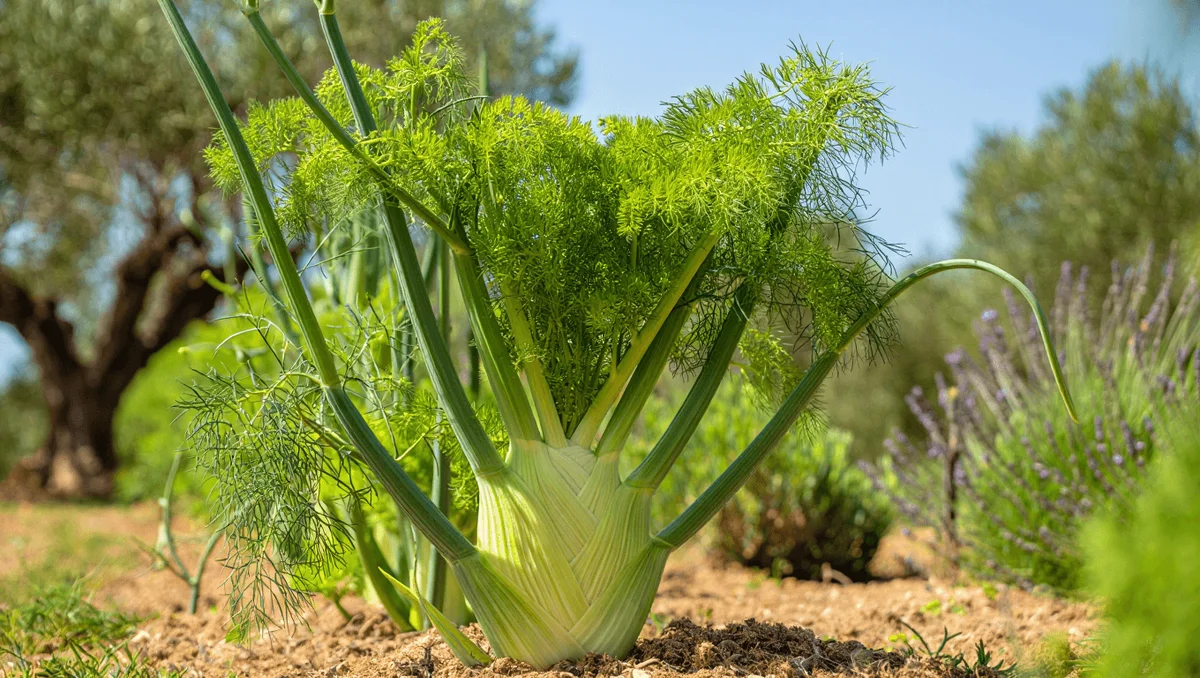
Giant fennel, known scientifically as Ferula communis, is a striking perennial that captures attention in Mediterranean gardens with its impressive stature. Characterized by tall stems and feathery foliage, this robust plant thrives in both dry borders and rocky mounds. Its vibrant yellow flowers are not only visually appealing but also attract bees, enhancing its ornamental value. Here, we provide practical tips on how to plant, propagate, and care for this fascinating species while being mindful of its toxic properties.
Where to Position Giant Fennel in Your Garden
For optimal growth, giant fennel prefers full sun, allowing it to showcase its full potential. It can withstand windy conditions due to its sturdy stems, which become woody over time. Avoid cramped spaces, as this plant can grow several meters tall and requires ample room for its taproot.
Place it at the back of a flower bed or in a dry garden to prevent it from overshadowing neighboring plants. It also fits well in Japanese gardens and rockeries, provided the soil remains well-drained. Cultivating it in pots is not advisable due to its deep-rooting nature.
What Soil and Exposure Are Best?
Giant fennel adapts well to poor, stony soils as long as they are well-drained. Heavy, wet soils during winter can lead to root rot and decline. Sunny, warm locations are ideal, promoting the development of spectacular flower spikes.
Incorporating organic matter during planting can enhance establishment without overly enriching the substrate. The plant can tolerate temperatures down to approximately -10°C during mild winters. In colder climates, a light mulch can protect the root from severe frosts.
How to Sow and Plant Giant Fennel
Sowing directly in the ground in autumn encourages the establishment of the taproot and minimizes shock during the first cold spells. Cold frame sowing is also effective but requires prompt transplanting into deep pots to accommodate root elongation. Germination may take several weeks, and flowering typically does not occur until several years later.
For in-ground planting, do so in spring or autumn in milder climates. Prepare a spacious hole and loosen the soil deeply to accommodate the taproot. Water moderately at first, allowing the plant to settle without excess moisture.
What Care and Maintenance Are Required?
Once established, giant fennel requires minimal maintenance, making it suitable for low-care gardens. Remove spent flower heads before they set seed if you wish to prevent self-seeding. In winter, a layer of dry leaves can help insulate the root in colder regions.
Keep an eye out for slugs and snails when young shoots emerge, as they can cause damage. While the plant is generally resistant to serious diseases, avoid overwatering to prevent root issues. Here are some simple care tips to remember:
- Watering: Moderate, especially post-planting.
- Pruning: Remove dead stems in spring.
- Winter Protection: Mulch in cold climates.
Is Giant Fennel Dangerous for Livestock or Family?
Giant fennel produces toxic brown seeds that should not be confused with those of edible fennel. Ingestion by livestock such as sheep and goats can lead to hemorrhagic disorders and other severe symptoms. It is crucial to keep grazing animals away from areas where giant fennel is present.
In gardens frequented by children, monitor the spread of seeds and educate them about the plant's characteristics without encouraging handling. If ingestion occurs, seek immediate medical advice or veterinary assistance. Caution is advised despite the plant's ornamental appeal.
Which Varieties to Choose and Their Key Characteristics
The Ferula genus includes numerous species ranging from the Mediterranean basin to Central Asia, with Ferula communis being the most prevalent in ornamental horticulture. It is recognizable by its large yellow umbels and upright form, often making a dramatic statement when planted alone. Depending on cultivation conditions and the age of the plant, it can reach heights between 2 and 5 meters.
The prolific seed production ensures spontaneous renewal if plants are allowed to flower. Expect to wait several years for the first blooms on a young plant. Additionally, this species is highly attractive to pollinators, contributing significantly to ecological health in gardens.
| Characteristic | Detail | |----------------|--------| | Family | Apiaceae | | Type | Perennial herb | | Origin | Mediterranean basin | | Flowering | May to July, yellow umbels | | Height | 2 to 3 m, sometimes up to 5 m | | Sowing | Possible, autumn sowing recommended | | Hardiness | Approximately -10°C in moderate winters |