10 Surprising Facts About Pumpkins
Explore the fascinating world of pumpkins with these 10 surprising facts. From their botanical classification to their global cultivation, discover what makes pumpkins unique.
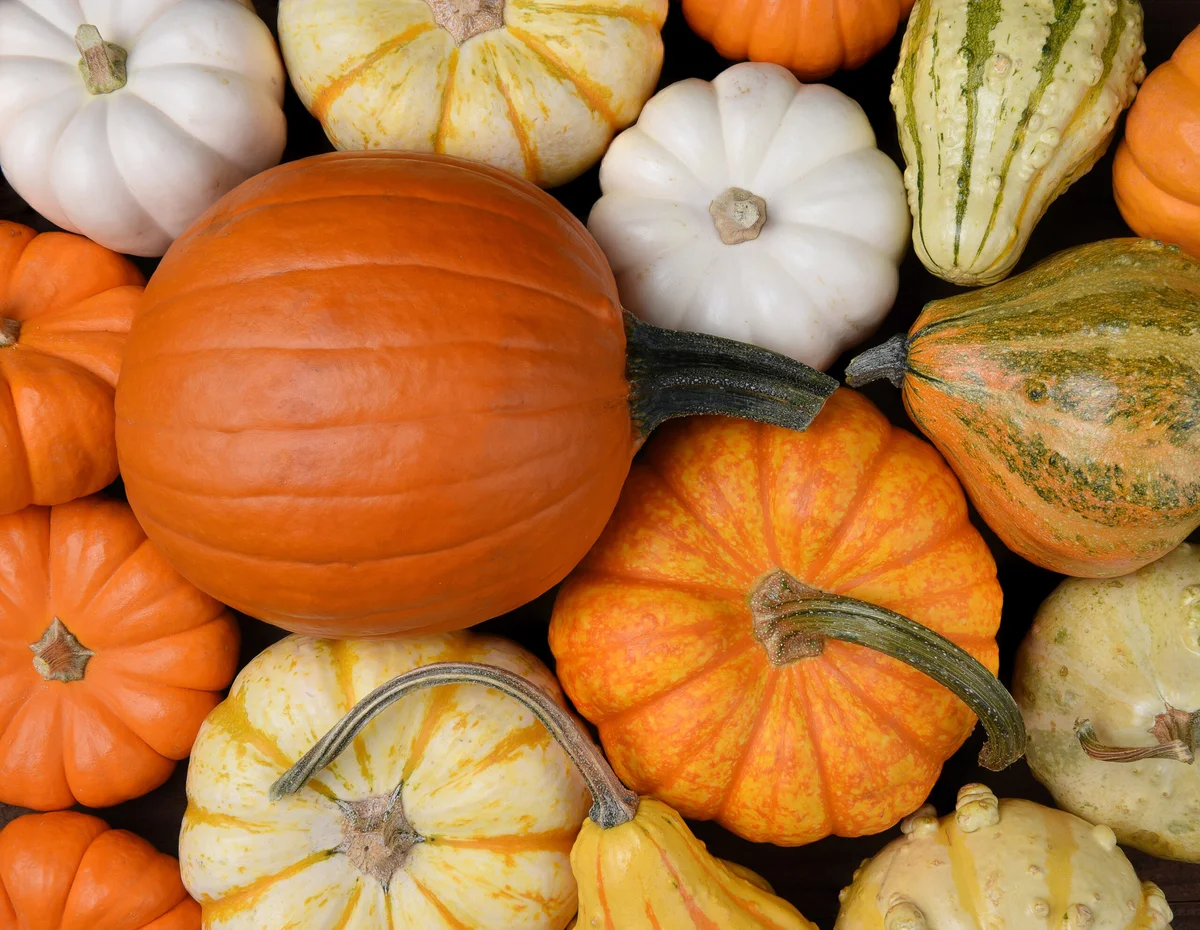
Pumpkins are often associated with autumn festivities, from hearty soups to carved Halloween decorations. However, these versatile fruits boast a range of fascinating attributes that extend far beyond their seasonal appearances. Did you know, for instance, that pumpkins are botanically classified as berries? Or that some varieties have been used for millennia to create bottles, bowls, and even musical instruments?
The most recognized pumpkins are the large, orange giants, but varieties like Hokkaido, Butternut, and Muscat have also secured their place in kitchens around the world. If you think you know everything about pumpkins, think again.
10 Facts About Pumpkins You Probably Didn’t Know
Fact 1: A Pumpkin is Actually a Berry
When asked what a pumpkin is, most people would instinctively say it’s a vegetable. While this is true in culinary contexts, botanically, pumpkins fall into the category of berries, specifically a type known as pepos.
Characteristics of pepos include:
- A tough outer skin, known as the exocarp
- Abundant flesh inside
- Numerous seeds
- A fruit that does not open on its own when ripe
Pumpkins develop from the inferior ovary of a female flower, with seeds lining the inner wall of the fruit. The fibrous tissue surrounding the seeds is called placental tissue. Interestingly, the Cucurbitaceae family, which includes pumpkins, also encompasses melons, cucumbers, and zucchinis, making your cucumber a closer relative to a berry than you might have thought.
Fact 2: The Heaviest Pumpkin Weighed 1,246 Kilograms
Typically, a Hokkaido or Butternut pumpkin weighs between one and three kilograms, while an average giant pumpkin ranges from 10 to 20 kilograms. However, a staggering weight of 1,246 kilograms was recorded on October 9, 2023, during the 50th World Championship Pumpkin Weigh-Offs in California. This impressive pumpkin, an Atlantic Giant, surpassed the previous record set in 2021 by around 20 kilograms. Under optimal conditions, pumpkins of this variety can gain up to 20 kilograms in weight daily.
Fact 3: Pumpkins Can Be Made into Bottles, Bowls, and Instruments
Not all pumpkins end up in the kitchen; some are transformed into drinking vessels, storage containers, or musical instruments. This is particularly true for bottle gourds, which, once fully matured and dried, develop a hard, almost wood-like shell.
For thousands of years, especially in Africa, Asia, and Latin America, these gourds have been crafted into water bottles, drinking vessels, and storage containers. Even musical instruments can be fashioned from dried bottle gourds. Decorative pumpkins, on the other hand, are generally less durable and are primarily used for decoration or smaller bowls.
Humans have utilized dried bottle gourds for over 8,000 years, making them one of the oldest domesticated plants. In Japan, the bottle gourd, known as hyotan, is considered a symbol of good fortune, while in parts of Africa, it is still used as a cooking vessel or dish. In South America, hollowed-out gourds are traditionally used as drinking vessels for mate tea.
Fact 4: Pumpkins Can Grow Up to Five Centimeters in a Day
One can witness significant growth in pumpkins almost overnight. Under ideal conditions, pumpkins can increase in diameter by up to five centimeters and gain about one kilogram in weight per day. This rapid growth requires ample sunlight, sufficient water, and nutrient-rich soil. Their extensive root systems efficiently absorb water and nutrients, while large leaves capture sunlight to power the plant through photosynthesis.
Interestingly, the flesh of a pumpkin consists of about 95% water, enabling the fruit to grow quickly. Until early July, the plant focuses primarily on developing leaves and vines, but in July and August, the fruit enters a vigorous growth phase where it seems to grow before your eyes.
Fact 5: Pumpkin Leaves Can Quickly Cover a Garden Bed
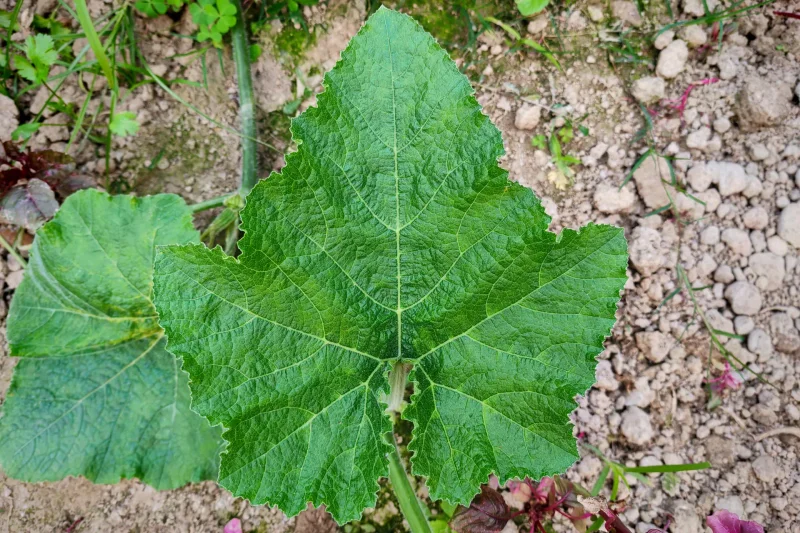
Pumpkin plants produce some of the largest leaves in the vegetable garden. These typically heart-shaped or round leaves can exceed 50 centimeters in width, with giant pumpkins sometimes boasting leaves over 70 centimeters across. These immense leaves function like solar panels, capturing sunlight and conducting photosynthesis to fuel the growing fruits.
Additionally, they provide shade to the soil beneath, helping to keep it cool and moist. As a result, pumpkin plants can act as natural ground covers, often taking over significant portions of the garden.
Interestingly, pumpkin leaves are edible. While not widely known in some regions, young leaves are cooked similarly to spinach in parts of Asia and Africa, being rich in fiber, iron, calcium, and vitamins A and C. A robust pumpkin can shade an area of one square meter or more, making its rapid expansion quite noticeable.
Fact 6: Pumpkin Seeds are Nutrient Powerhouses
Many people scoop out pumpkin seeds only to discard them, but this practice wastes one of the fruit's most valuable components. Pumpkin seeds contain about 30% protein, making them an excellent source of protein, particularly for vegetarians and vegans. They are also rich in unsaturated fatty acids, including linoleic acid (an omega-6 fatty acid) and oleic acid (an omega-9 fatty acid).
Additionally, they are packed with fiber and numerous micronutrients:
- Magnesium supports muscles and nerves.
- Zinc is important for the immune system, skin, and hair.
- Iron is vital for blood formation and energy supply.
- Selenium helps protect cells.
- Vitamin E acts as an antioxidant.
Pumpkin seed oil is also a valuable product, requiring around 2.5 kilograms of seeds to produce one liter of high-quality oil, which translates to approximately 35 pumpkins. So, the next time you carve a pumpkin, consider saving those seeds; when cleaned, seasoned, and roasted, they make a delicious snack.
Fact 7: Pumpkins Grow Almost Everywhere in the World
The origins of pumpkins likely trace back to Central and South America, where they were domesticated over 10,000 years ago. Following the arrival of European explorers in the Americas, pumpkins spread to Europe and other parts of the world. Today, pumpkins are cultivated on every continent except Antarctica.
The United States is a major producer, particularly in Illinois, known for its numerous pumpkin patches during Halloween. Mexico is considered one of the original home regions of pumpkins, where not only the flesh but also the seeds and flowers are traditionally used in cooking. Brazil and Argentina also cultivate pumpkins extensively.
In Europe, Germany, France, Austria, Italy, and several Eastern European countries are notable growing regions, with pumpkin festivals, exhibitions, and competitions being quite common. In many African countries, pumpkin leaves and seeds are staples in traditional dishes, while in Australia and New Zealand, pumpkins are everyday vegetables. Varieties are also widely grown in India, Thailand, and Japan, with China being the largest global producer.
Fact 8: People Historically Were Not Interested in Eating the Flesh
Today, pumpkin flesh is highly valued, but this was not always the case. Around 10,000 years ago, people were primarily interested in the seeds, which were nutritious, flavorful, and relatively easy to process. The flesh of early pumpkins was often hard, bitter, and unpalatable. Seeds were consumed raw, roasted, or ground, complementing the diets of early agricultural societies.
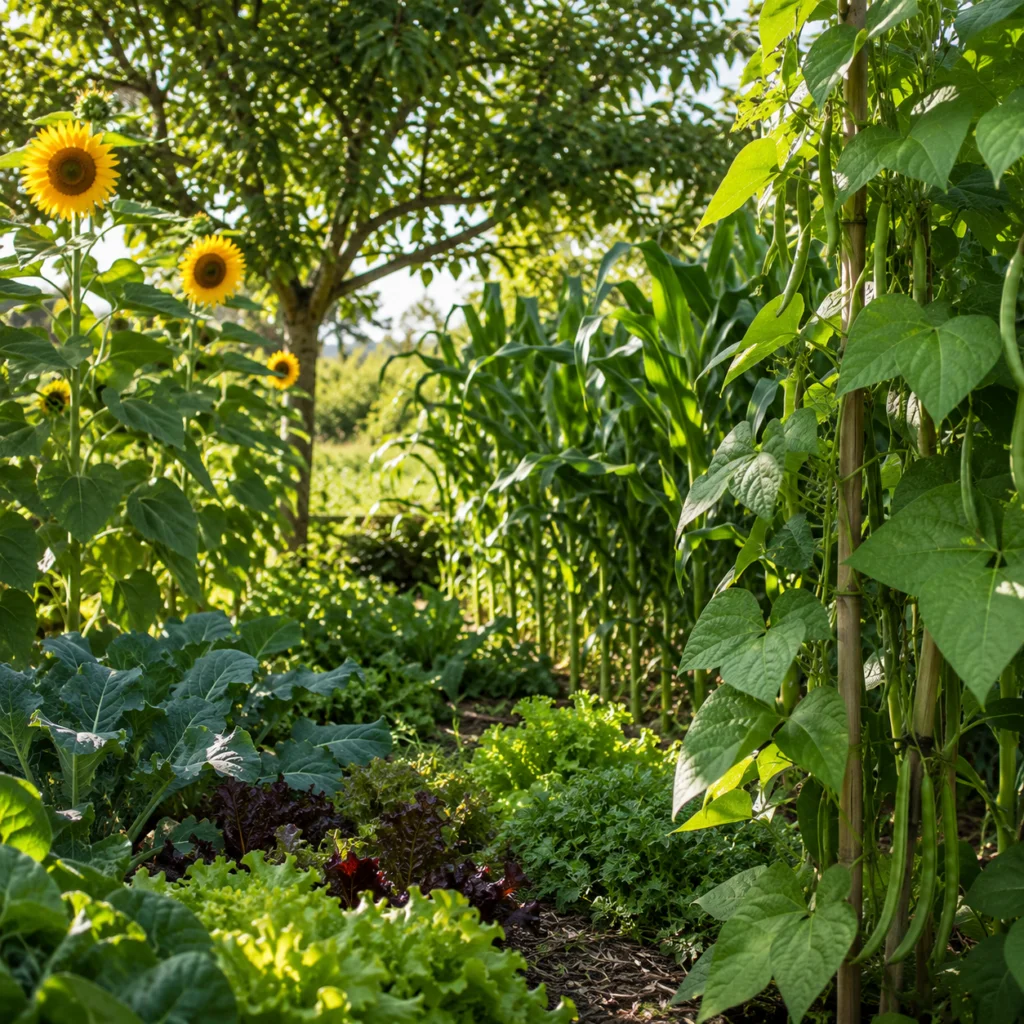
In traditional indigenous agriculture in North America, corn, beans, and pumpkins were known as the three sisters, cultivated together to support each other's growth. It wasn't until selective breeding that pumpkins began to lose their bitterness and develop softer flesh, leading to larger fruits that eventually made the flesh desirable as food. Initially, the flesh was mainly used as animal feed but gradually became a staple food item. After pumpkins were introduced to Europe in the 16th century, a culinary diversity emerged that we enjoy today.
Fact 9: This Pumpkin Was Wider than a Double Bed
Pumpkin records often focus on weight, but some specimens are remarkable for their sheer size. One particularly large pumpkin reached an impressive circumference of 642.6 centimeters, nearly six and a half meters. This translates to a diameter of about 2.05 meters, making it wider than many beds are long.
Transporting such a pumpkin poses its own challenges, especially when it can't even fit through a standard doorway.
Fact 10: Without Irish Turnips, There Might Be No Halloween Pumpkins
While Halloween is often considered an American invention, it actually draws from various cultural traditions. Its roots include the Celtic festival of Samhain, celebrated over 2,000 years ago in Ireland and Scotland, marking the transition from summer to the darker months.
People believed that on this night, the barrier between the living and the dead was particularly thin. To ward off evil spirits, they lit fires, donned costumes, and placed lights in hollowed-out turnips. As Christianity spread, some of these customs merged with All Hallows’ Eve, the night before All Saints’ Day, eventually leading to the Halloween we know today.
Irish immigrants brought these traditions to North America in the 19th century, where large pumpkins were plentiful and easier to carve than the tough turnips of their homeland. Thus, the Jack O’Lantern was born. In the U.S., this custom merged with harvest festivals and neighborhood gatherings, evolving into the grand celebration of Halloween, complete with costumes, decorations, and children going door-to-door for treats.
So, the next time you hollow out a pumpkin, remember that you’re not just holding a seasonal decoration; you’re engaging with a giant berry that has a rich history and a multitude of uses.