Gardening with the Moon in 2025
Explore how lunar phases influence gardening practices and human behavior, and discover the benefits of gardening with the moon in 2025.
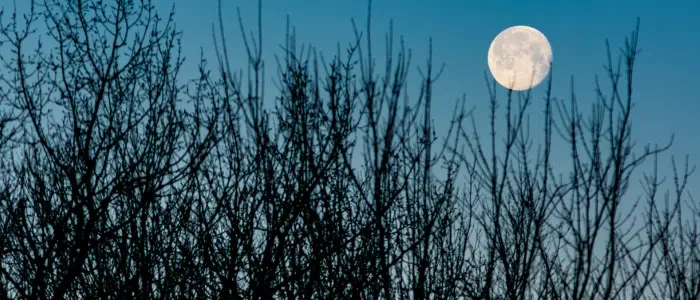
🌕 The moon has long held a significant place in human culture, often intertwined with myths, legends, and rituals across various societies. The full moon, in particular, is celebrated through numerous festivals and customs, such as Têt Trung Thu in Vietnamese communities and Tsukimi in Japanese culture, highlighting its profound impact on society.
The influence of the moon on gardening 🌱 and human behavior is a captivating subject that merges astronomy, agriculture, and folklore. For centuries, farmers and gardeners have monitored lunar phases to enhance their planting and harvesting practices. This article delves into the various ways the moon affects gardening and its potential repercussions on human behavior.
Lunar Calendar for Gardening in 2025
For those interested in lunar gardening 🌙, the lunar calendar is an essential tool. Below are the 2025 lunar calendar in PDF and the 2026 lunar calendar in PDF. These are convenient to print and display on your fridge to prepare for gardening in harmony with the moon!

Télécharger le calendrier lunaire 2026

Télécharger le calendrier lunaire 2027

Télécharger le calendrier lunaire 2028
What Does Gardening with the Moon Mean?
Gardening with the moon invites individuals to adopt a different approach, encouraging a mindful observation of nature and a connection to the life cycle 🌿. For those with an environmental consciousness 🌍, understanding lunar cycles can provide invaluable insights for nurturing life on Earth.
How to Garden with the Moon
Gardening According to Lunar Movements
Gardening according to the moon relies on observing the phases and movements of the moon to optimize plant growth. This practice is based on the belief that the sap in plants rises and falls in sync with lunar cycles, impacting germination, growth, flowering, and harvesting. By adhering to these rhythms, gardeners can enhance plant health, improve yields, and significantly reduce chemical use.
An informative video from Rustica explains how to identify the different lunar phases 🎥:
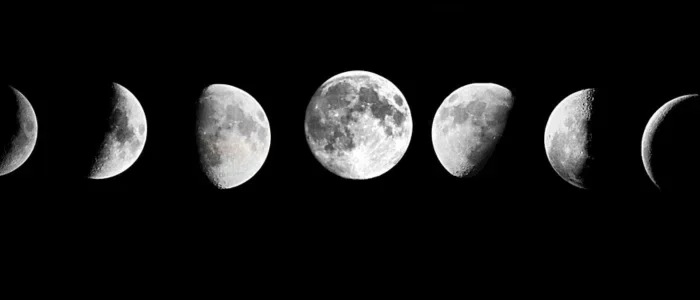
The Different Lunar Phases
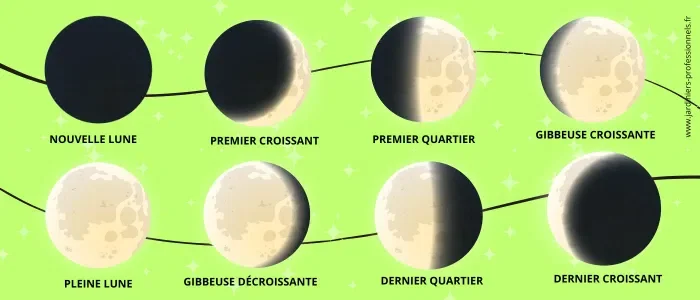
Many gardeners engage in what is known as lunar gardening, which involves following the lunar calendar to plan gardening activities. This method operates on the premise that the moon influences not only the tides but also the movement of water in the soil, affecting seed germination and plant growth. The moon transitions through several phases: new moon, waxing crescent, first quarter, waxing gibbous, full moon, waning gibbous, last quarter, and waning crescent. Each phase is linked to specific gardening activities, such as:
- New Moon: Often regarded as the optimal time to sow seeds and plant leafy vegetables, as the moon's energy is on the rise.
- First Quarter: A favorable period for planting above-ground vegetables like tomatoes and peppers, benefiting from the increasing moonlight.
- Full Moon: This phase is perfect for harvesting, as soil moisture peaks, making fruits and vegetables juicier.
- Last Quarter: An ideal time for pruning and trimming, as the waning moon's energy can help limit unwanted plant growth.
Basic Principles for Lunar Gardening
It is undeniable that the moon exerts a gravitational pull on objects on Earth, particularly on liquids. This effect is most visible in ocean and sea tides 🌊. With guidance from experienced gardeners, we can learn to harness the impact of this gravitational force on the liquids within plants for more effective gardening 🌱.
Gardening with Lady Moon
The lunar cycle typically lasts just under a month, precisely 29 days, 12 hours, and 44 minutes. During this time, the moon displays various states, each having a notable influence on the flow of sap within plants 🌿. Depending on these states, plants may become more resilient, develop better, produce more, or flourish sustainably.
Waxing and Waning Moon
The new moon occurs when the illuminated side of the moon is not visible from Earth, while the full moon is when this side is fully visible. Between these two phases, the moon waxes and wanes, forming quarters 🌗. Thus, while the moon is waxing, it imparts more vitality to plants, enabling them to effectively combat pests 🐛. Moreover, fruits and vegetables harvested during this period tend to be juicier, sweeter, and richer in vitamins 🍓🥬.
When the moon is waxing, it favors the aerial parts of the plant, while the waning moon provides more energy and vigor 💪. This is an excellent time for successful planting or cuttings. Additionally, the medicinal or dietary properties of plants are more pronounced 🌼, and the effectiveness of insecticides and fungicides is enhanced during the waning moon.
Ascending and Descending Moon
These phenomena should not be confused with the waxing or waning moon, as they represent different concepts. The moon is considered ascending ☀️ when it is above the Sun's orbit, while it is descending when it is below it. Thus, it is crucial not to conflate or associate these phases, as the moon can be both waxing and ascending or waxing and descending.
During an ascending moon, it is a good time for sowing 🌱, whereas in a descending moon, you can transplant, prune, and take cuttings from your plants.
Lunar Impulses
As the moon traverses through each constellation, it exerts different impulses affecting specific parts of the plant: roots, leaves, flowers, and fruits 🍇.
- Earth Element (Taurus, Virgo, Capricorn): affects the roots (buried parts) 🥔
- Water Element (Cancer, Scorpio, Pisces): impacts the stem and leaves (watery parts) 🌿
- Air Element (Gemini, Libra, Aquarius): influences the fragrance of flowers 🌸
- Fire Element (Aries, Leo, Sagittarius): provides the necessary heat for fruit or seed maturity 🔥
Lunar Influence on Human Behavior
Beyond gardening, the moon appears to influence human behavior as well. Numerous beliefs and superstitions surround the moon, and some studies suggest it may affect our mood and behaviors.
Lunar Cycles and Behavior
Research indicates that lunar phases can impact sleep and people's moods. For instance, studies have shown that during the full moon, some individuals may experience sleep disturbances, while others may feel more energetic. Some people also report increased agitation or lighter sleep during this lunar phase. Others believe it signifies a favorable time to initiate new projects or make significant decisions, as the full moon symbolizes new beginnings.
The moon's influence on gardening and human behavior is a rich and intricate topic. Whether through lunar gardening practices or cultural beliefs, it is evident that the moon continues to captivate and impact our lives. For gardeners, tracking lunar phases can be an intriguing method to maximize yields, while for individuals, the moon serves as a reminder of our connection to nature and the cycles of life.
Ten Reasons to Garden with the Moon
✅ Enhance the chances of success.
✅ Promote more abundant harvests.
✅ Feel in harmony with nature.
✅ Measure the influence of the moon, note changes, and evaluate them.
✅ Align with personal ecological convictions.
✅ Benefit from the experience of generations of gardeners.
✅ Aim to make the right move at the right time.
✅ Raise awareness of the rhythms of the seasons.
✅ Discover a new way to act.
✅ Gain insight into the phenomenon of life and our position between heaven and earth.