Using Nettle Extract: A Comprehensive Guide for Gardening Success
Explore the benefits, preparation, and dosage of nettle extract for optimizing your garden. Learn how to use this natural fertilizer effectively.
Using Nettle Extract: A Comprehensive Guide for Gardening Success
What is Nettle Extract?
Nettle extract, or purin d’ortie, is a fermented preparation made by soaking fresh nettle leaves in water for 10 to 15 days. This anaerobic fermentation process transforms plant compounds into nutrients that can be readily absorbed by plants. Since 2014, the Fédération Nationale d’Agriculture Biologique has officially recognized this preparation as a natural growth stimulant.
This concentrated solution primarily contains nitrogen in both nitrate and ammoniacal forms, as well as trace elements like iron, magnesium, and potassium, along with essential amino acids. Research conducted by the Institut National de Recherche Agronomique (INRA) shows an average total nitrogen concentration of 0.8%, making it a highly concentrated nitrogen fertilizer. The bioactive molecules present, such as formic acid and flavonoids, give nettle extract its repellent properties against aphids and other pests.
Benefits of Nettle Extract for Your Plants
The effectiveness of nettle extract lies in its multifaceted biological action, as confirmed by studies from the University of Wageningen in the Netherlands. Treated crops exhibit a 23% increase in leaf growth compared to untreated controls. This growth stimulation is due to the direct supply of easily absorbable nitrogen, enabling plants to quickly synthesize the proteins necessary for their development.
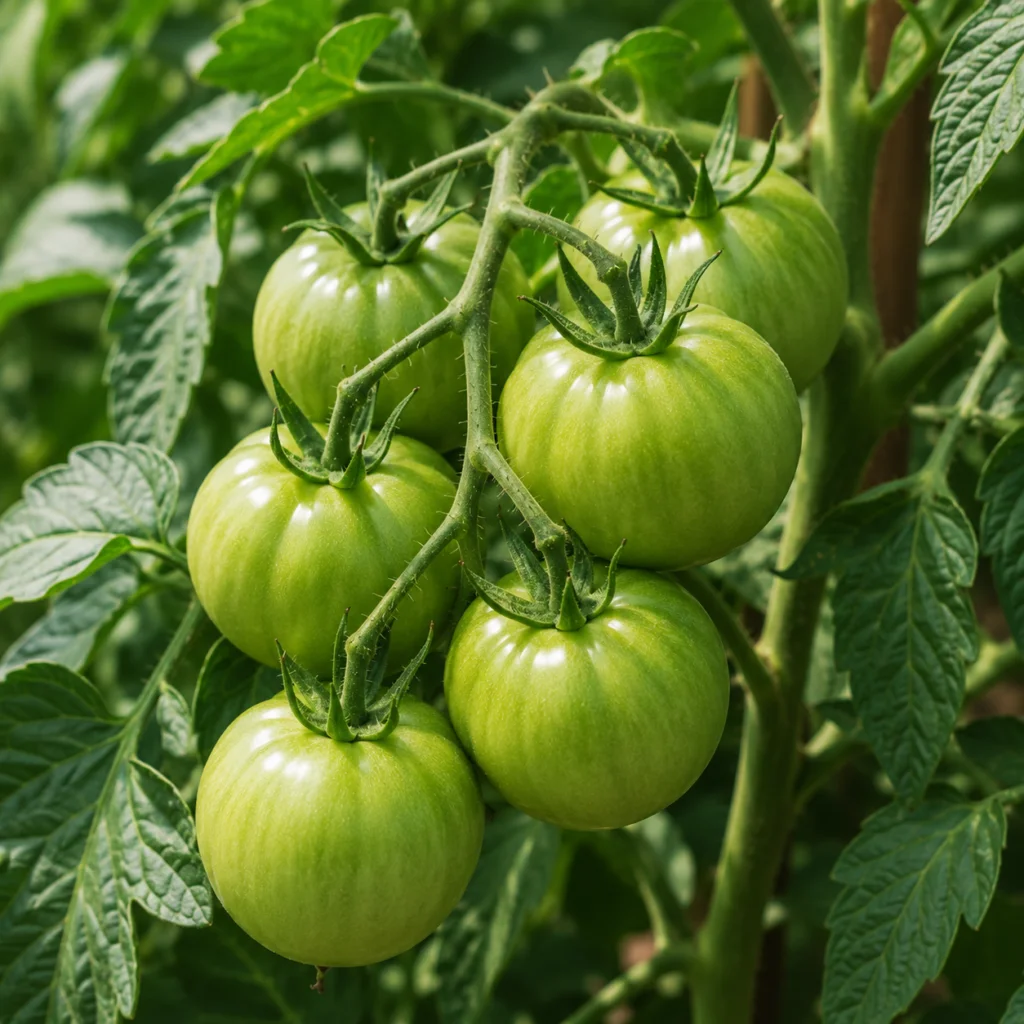
Cherry tomatoes and heirloom varieties particularly thrive with applications of nettle extract, showing yield increases of 15 to 20% according to tests conducted by Terre Vivante. Roses treated with nettle extract also show enhanced resistance to fungal diseases such as powdery mildew and rust. The extract acts as a natural elicitor, stimulating the plant's defense mechanisms without creating chemical dependency.
Regular applications benefit leafy vegetables like spinach, arugula, and cabbage, promoting intense greening of the foliage and improving chlorophyll content. Organic farmers in the Provence-Alpes-Côte d’Azur region report a notable enhancement in the flavor quality of vegetables treated with nettle extract.
How to Prepare Nettle Extract?
Crafting nettle extract requires careful selection of raw materials and adherence to a precise protocol. It is advisable to harvest young nettle shoots before flowering, ideally in spring between April and May, when the concentration of active principles is at its peak. Avoid nettles growing near roadsides or in areas contaminated with heavy metals.
The fermentation process should be conducted in a non-metal container, preferably plastic or earthenware. For every kilogram of fresh leaves, use 10 liters of rainwater or dechlorinated water. The maceration occurs at room temperature, between 18°C and 25°C, for 10 to 21 days depending on weather conditions. Daily stirring promotes uniform fermentation and prevents mold formation on the surface.
The end of fermentation is marked by the cessation of foam formation and a decrease in odor intensity. At this point, strain the preparation through a fine cloth to remove plant residues. The resulting extract can be stored for up to 6 months in an airtight container, kept away from light and preferably in a cool environment.
Nettle Extract Dosage: A Practical Guide
Mastering the dosage is crucial for success with nettle extract. For foliar sprays, a dilution of 100 ml of extract per 1 liter of water is recommended, yielding a 10% concentration. This dilution prevents leaf burn while ensuring optimal nutritional delivery. Applications should ideally occur early in the morning or in the evening, during calm weather without excessive dew.
For watering at the base of plants, a higher concentration is acceptable: 200 ml of extract per 1 liter of water, which corresponds to a 20% dilution. This method is particularly suitable for demanding crops such as squash, zucchini, and growing tomato plants. The optimal application frequency is every 10 to 15 days during the active growth phase.
For sensitive crops like young seedlings or potted plants, reduce the concentration to 50 ml per 1 liter of water. This precaution helps avoid osmotic shock and allows for gradual acclimatization. Here are the specific dosages based on the type of application:
- Seedlings and young plants: 5% dilution (50 ml/L)
- Standard foliar spray: 10% dilution (100 ml/L)
- Nutritional watering: 20% dilution (200 ml/L)
- Compost activator: 20% dilution directly on the pile
Using Nettle Extract in Organic Gardening
Integrating nettle extract into certified organic gardening practices aligns perfectly with European regulatory standards. Regulation CE 834/2007 explicitly permits the use of fermented plant preparations in organic farming. Certified producers Nature et Progrès commonly incorporate this preparation into their natural fertilization protocols.
The synergy with other natural preparations enhances the benefits: comfrey extract, rich in potash, complements the nitrogen supply from nettle extract. This alternation respects the nutritional cycles of plants: nitrogen in early season for growth, potash and phosphorus for fruiting. Experienced gardeners from the Les Jardins de Cocagne association alternate these treatments every two weeks.
The biodynamic approach developed by Rudolf Steiner also includes nettle extract in its dynamized preparations. Spraying according to lunar rhythms, particularly during the waxing moon to stimulate sap flow, optimizes nutrient absorption by plants.
Precautions and Potential Side Effects
Despite its natural origin, nettle extract requires certain precautions to avoid unpleasant odors and dosage errors. The characteristic smell, akin to ammonia, arises from the fermentation of plant proteins. This olfactory intensity diminishes with dilution but remains noticeable. It is advisable to prepare the extract away from living areas and to ensure proper ventilation.
Overdosing on nitrogen can lead to counterproductive effects: excessive foliage growth at the expense of flowering, increased susceptibility to fungal diseases, and delayed fruit maturity. These symptoms, often observed in novice gardeners, can be corrected by temporarily halting applications and opting for a phospho-potassic fertilizer like comfrey extract.
Applications during high heat or on wet foliage can cause leaf burns. Brown spots typically appear 24 to 48 hours after treatment. To prevent these issues, adhere to favorable weather conditions: temperatures below 25°C, absence of strong winds, and no rain forecasted within six hours post-application.
Testimonials and Experiences
Marie Dubois, a certified organic farmer with Ecocert in Vaucluse, shares her experience: “We have been using nettle extract since 2018 on our heirloom tomato crops. The Cœur de Bœuf and Green Zebra varieties show an average yield increase of 18% with biweekly applications at a 10% dilution.” This producer emphasizes the importance of adhering to dosages and maintaining treatment consistency.
Pierre Martin, a gardening advisor for the Les Incroyables Comestibles association in Toulouse, discusses his approach: “In our community gardens, we train volunteers on how to prepare nettle extract. The main challenge is managing the odor and having the patience for complete fermentation. Our most spectacular results have been with leafy vegetables, showing a 25% accelerated growth.” This collective experience demonstrates the accessibility of the technique even for novice gardeners.
Feedback from users via specialized forums like Au Jardin.info and Rustica.fr converges on several points: remarkable effectiveness on nitrogen-hungry crops, the necessity to adjust dosages based on species sensitivity, and visible improvement in plant vigor by the third application. These testimonials affirm the practical value of nettle extract in various contexts, from home gardens to professional market gardening operations.
Optimize Your Garden with Nettle Extract
Incorporating nettle extract into your gardening practices represents a worthwhile long-term investment. This economical and ecological solution significantly reduces the need for chemical fertilizers while enhancing soil biodiversity. Beneficial microorganisms thrive due to organic inputs, creating a virtuous cycle of natural fertility.
We encourage starting with small area applications to familiarize yourself with dosages and observe plant reactions. Keeping a garden journal can help optimize practices and adjust concentrations based on local conditions. Don’t hesitate to share your experiences with the community of organic gardeners in your area.
The future of amateur gardening leans towards these time-tested practices reimagined by modern science. Nettle extract fits perfectly into this sustainable gardening approach, respectful of the environment and economically viable. Begin this season by integrating this natural preparation into your gardening routine to discover its numerous benefits for the health and productivity of your crops.