Creating Plant Ferments – A Natural Fertilizer for Your Garden
Learn how to create plant ferments as a natural fertilizer for your garden, promoting healthy growth while supporting soil life and sustainability.
Gardening enthusiasts often experience the thrill of watching their first tomatoes grow robustly, lettuce develop lush green leaves, and zucchini undergo a significant growth spurt. However, this excitement is often accompanied by an increased nutrient demand from the plants. Many gardeners respond by purchasing fertilizers from garden centers, yet one of the best alternatives might be growing right in their own gardens or along pathways.
Weeds like nettles, comfrey, dandelion, and horsetail are frequently dismissed as nuisances. In reality, these wild plants are some of the most valuable resources available. They absorb minerals from the soil, store them in their leaves and stems, and can be easily transformed into a nutrient-rich plant ferment.
Long before the advent of commercially produced fertilizers, gardeners employed this natural method to promote the healthy growth of vegetables, fruits, and flowers. The principle remains largely unchanged: plants are fermented in water, allowing their nutrients to dissolve and become available as a natural liquid fertilizer.
The benefits of using plant ferments extend beyond just cost savings. They align perfectly with the principles of natural gardening, as they contain no chemical additives, enhance soil life, and contribute to a closed nutrient cycle. Instead of ending up on the compost heap, plants that would otherwise be discarded become a valuable fertilizer, supporting vegetables, fruit trees, and ornamental plants over an extended period.
However, not all plant ferments serve the same purpose. While nettle ferment primarily boosts growth, comfrey provides significant amounts of potassium for flowers and fruits. Horsetail, on the other hand, is more of a natural plant strengthener than a fertilizer.
This guide will cover which plants are suitable for creating a ferment, how to make and apply them, and which type of ferment is best for specific plants.
What is Plant Ferment?
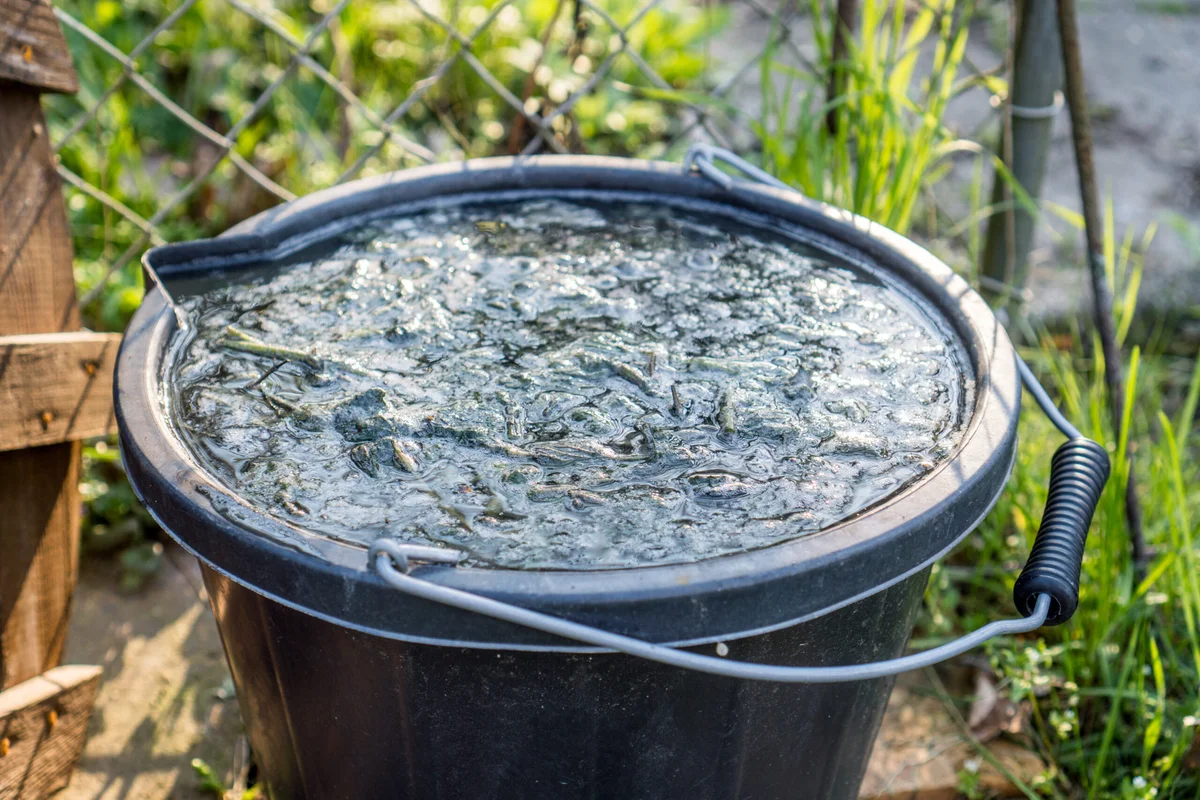
Plant ferment is a natural liquid fertilizer created through the fermentation of fresh plant parts in water. During this biological process, microorganisms break down the plant material, releasing numerous minerals, trace elements, and other components into the water.
After several days, a dark liquid with a distinctive odor is produced. When diluted and applied, it quickly provides essential nutrients to your garden plants.
Unlike many mineral fertilizers, plant ferments do not solely act on the plants themselves; they also support soil life. Earthworms, fungi, and countless microorganisms benefit from the organic nutrients, contributing to the long-term fertility of the soil.
In a natural garden, plant ferments are much more than just fertilizers; they are part of a functional cycle where plant residues are transformed back into valuable nutrient sources.
How to Create a Plant Ferment
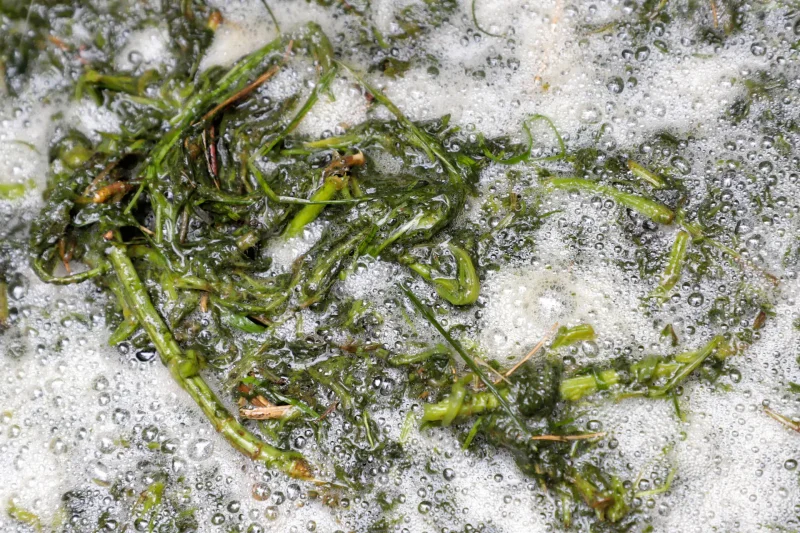
The production of plant ferment is based on a natural fermentation process. Freshly collected plants are chopped and submerged in water. Over the following days, microorganisms begin to decompose the plant material.
This process produces gases, so the liquid should be stirred regularly. Simultaneously, nitrogen, potassium, calcium, magnesium, and various trace elements are released from the plants.
Depending on the outside temperature, this process takes about ten to fourteen days. Once no more bubbles rise, the ferment is ready and can be used as liquid fertilizer after proper dilution.
Plant Ferment, Plant Broth, or Plant Tea – What’s the Difference?
These terms are often confused, but they describe different processes.
Plant Ferment
In a plant ferment, plant parts are fermented over several days. This results in a nutrient-rich liquid fertilizer primarily used for plant nourishment.
Plant Broth
Plant broth involves soaking herbs in water and then boiling them. It contains significantly fewer nutrients than a ferment and is mainly used for plant strengthening or disease prevention.
Plant Tea
Plant tea is prepared similarly to herbal tea, where the plant material is steeped in hot water for a short time. It serves almost exclusively for plant strengthening and has minimal role as a fertilizer.
Beginners often confuse these three terms, but for fertilizing in a vegetable or ornamental garden, plant ferment is almost always the best choice.
Why Plant Ferment is Valuable in the Garden
In recent years, plant ferments have experienced a revival. This resurgence is not only due to their cost-effectiveness but also because more gardeners wish to avoid chemical-synthetic fertilizers and nourish their plants as naturally as possible.
Plant ferments offer several advantages:
Sustainable and Cost-Effective Fertilizing
Many plants suitable for making a ferment grow freely in gardens or nearby areas. Nettles, ground elder, or dandelion do not need to be purchased and are often available in abundance.
With minimal effort, a high-quality liquid fertilizer can be created, saving money and avoiding packaging waste.
For those with larger vegetable gardens, this method allows for the production of a significant amount of fertilizer each year.
Promoting Soil Life
A healthy garden starts in the soil.
Billions of bacteria, fungi, and other microorganisms work to decompose organic material and make nutrients available to plants. Earthworms also play a crucial role in maintaining a loose, humus-rich soil structure.
Plant ferments provide these soil organisms with organic nutrients, thereby supporting a vibrant garden soil.
This sets them apart from many mineral fertilizers, which, while fast-acting, do little to promote soil life.
Nutrients Available Quickly
While compost often takes weeks or months to take effect, the nutrients from plant ferment reach the roots relatively quickly.
This is particularly advantageous during peak growth periods. Tomatoes, cucumbers, or pumpkins often respond with vigorous growth and healthy, deep green leaves just days after fertilization.
Plant ferment does not replace compost; rather, they complement each other beautifully. Compost improves the soil over the long term, while plant ferment provides plants with readily available nutrients in the short term.
A Natural Cycle in the Garden
Perhaps the most beautiful aspect of plant ferment is this natural cycle.
Wild herbs, often viewed as pesky weeds by many gardeners, become a valuable part of garden care. Nettles or ground elder no longer end up on the compost but instead return their stored nutrients to vegetables and flowers.
This creates a natural cycle that gardeners have utilized for generations.
For this reason, plant ferments remain among the most effective natural fertilizers available today.
Advantages and Disadvantages of Plant Ferment
Plant ferments have proven their worth over generations. They are easy to make, cost very little, and provide your plants with essential nutrients. However, they are not a miracle solution. Like any fertilizer, they have their strengths and weaknesses. Understanding these will allow you to use plant ferments effectively and take advantage of their benefits.
Key Advantages
The most significant advantage is their natural composition. No chemical additives or expensive specialty products are needed for their production. Many suitable plants grow freely in gardens or the wild. What is often seen as a weed transforms into a valuable liquid fertilizer after fermentation.
Another benefit is the variety of nutrients they contain. While mineral fertilizers often provide only single primary nutrients, plant ferments include numerous trace elements and organic compounds, ensuring a balanced supply for your plants.
The soil also benefits. Organic fertilizers promote soil life and support earthworms and countless microorganisms. A lively soil retains water better, remains loose, and provides plants with long-term nutrient availability.
Additionally, plant ferments act quickly. Since the nutrients are already dissolved, they can be absorbed by plants relatively quickly. Particularly heavy feeders like tomatoes, pumpkins, or cabbage reward regular fertilization with vigorous growth and healthy foliage.
Finally, plant ferment exemplifies sustainable gardening. Instead of discarding wild herbs, you reintegrate their nutrients back into the natural cycle.
What Disadvantages Exist?
Where there is light, there are shadows. The most notable disadvantage is the strong odor during fermentation. Nettle ferment, in particular, has a very distinctive smell that may not be to everyone's liking. While it can be significantly reduced with rock dust, it cannot be completely eliminated.
Another drawback is that plant ferments require some time. Depending on the weather, fermentation takes ten to fourteen days. Those who wish to fertilize spontaneously must plan ahead.
Moreover, the nutrient content can vary. Unlike commercially produced fertilizers, the composition cannot be precisely determined. Factors such as the age of the plants, location, and harvest time affect the mineral content. For hobby gardeners, this is usually not an issue, as plant ferments have been successfully used without laboratory analysis for generations.
Finally, it is important to note that plant ferment does not replace mature compost. It provides quickly available nutrients but contributes only limitedly to humus formation. It is best to combine both methods.
What Nutrients Are Found in Plant Ferments?
Each plant species stores minerals in a slightly different composition, which results in significant differences among various plant ferments. Some primarily promote leaf growth, while others support flower formation or strengthen plants against diseases.
Knowing the essential nutrients allows gardeners to decide which plant ferment is most appropriate for each area of their garden.
Nitrogen – The Engine for Robust Growth
Nitrogen is one of the most crucial plant nutrients. It is needed for the formation of proteins, enzymes, and chlorophyll. A lack of nitrogen results in slow plant growth and often leads to pale or yellowing leaves.
Heavy feeders require larger amounts of this nutrient, especially during spring. Nettle ferment is thus one of the most popular natural nitrogen fertilizers.
However, it is essential to remember that more is not always better. Over-fertilization often leads to lush foliage, but fewer flowers and fruits.
Potassium – For Flowers, Fruits, and Healthy Plants
Potassium regulates the water balance of plants and improves their resilience to drought and heat. It also plays a crucial role in flower and fruit development.
Tomatoes, peppers, cucumbers, and strawberries particularly benefit from potassium-rich fertilization during fruit development.