5 Grandmother's Tips for Growing Beautiful Tomatoes in Your Garden
Five grandmother's recipes to grow beautiful tomatoes in the garden without synthetic fertilizers: nettle tea (bioavailable nitrogen), crushed eggshells (calcium against blossom end rot), coffee grounds (potassium and soil structure), mulching (moisture retention and weed control), and horsetail decoction (mildew prevention).
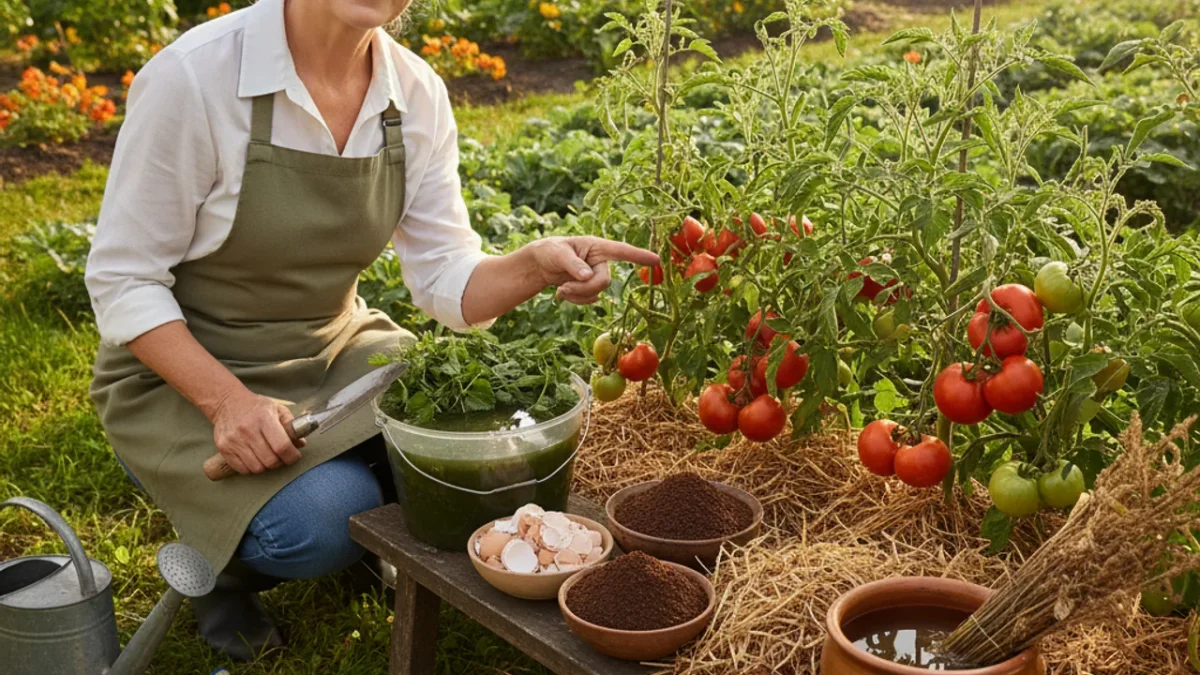
Growing luscious tomatoes without the use of synthetic fertilizers is possible with some tried-and-true grandmother's recipes. These five natural methods not only nourish the plants but also protect the soil and minimize diseases. They include nettle tea (providing bioavailable nitrogen), crushed eggshells (offering calcium to combat blossom end rot), used coffee grounds (adding potassium and improving soil structure), mulching (retaining moisture and suppressing weeds), and horsetail decoction (strengthening against mildew). When applied at the right times throughout the season, these techniques can lead to a bountiful harvest.
Nettle Tea: A Growth Booster
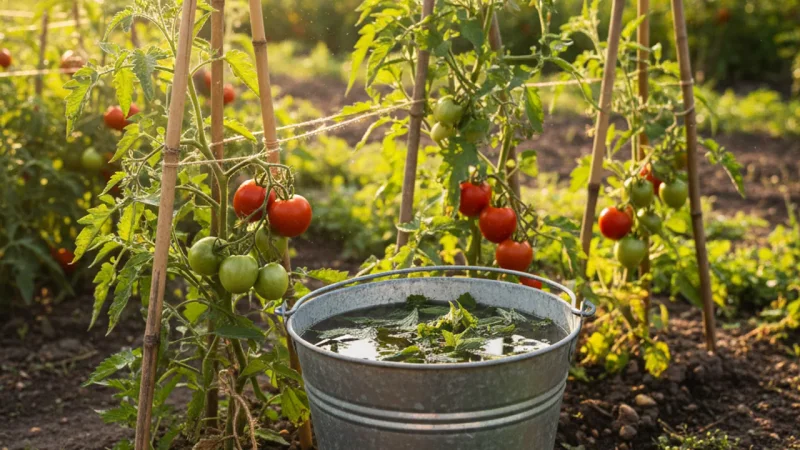
Nettle tea has been a gardener's secret weapon for generations. This infusion of fresh nettles in rainwater slowly releases nitrogen, iron, and trace elements found in the leaves. Rich in quickly assimilable nitrogen, it enhances vegetative growth when plants need it most: right after planting and before flowering. An added ecological benefit is transforming a "weedy" plant into an abundant, free resource.
Preparing and Diluting Nettle Tea
The traditional recipe is straightforward: take 1 kg of fresh nettles (preferably without seeds or roots), chop them coarsely, and immerse them in 10 liters of rainwater in a non-metallic container. Allow it to ferment for 10 to 15 days in the shade, stirring daily with a wooden stick until the bubbles subside. The tea is ready when it has a strong yet stable odor. Filter and store it in opaque, sealed containers, and dilute it to 10% before use: 1 liter of nettle tea to 9 liters of rainwater.
When to Apply
Apply the diluted nettle tea at the base of the tomato plants, avoiding the leaves, using one watering can every two weeks during the growth phase (from planting until the first flowers appear). Once flowering begins, space out the applications, as tomatoes require less nitrogen and more potassium for fruiting. Continuing to apply high doses of nettle tea at this stage may lead to lush foliage at the expense of fruit development.
Note: Nettle tea can also act as a natural aphid repellent when sprayed on leaves at a 5% concentration, but it should be applied in the evening to prevent sunburn.
Crushed Eggshells and Coffee Grounds: Natural Soil Nourishment
Two kitchen scraps serve as excellent free fertilizers. Crushed eggshells and used coffee grounds are the best allies for the home garden. Their use is not only a form of domestic recycling but also aligns with sound agronomic principles, correcting common nutrient deficiencies in tomato soils without cost or excessive packaging. Save them on the edge of the sink during the gardening season.
Crushed Eggshells Against Blossom End Rot
Blossom end rot, often referred to as the "black bottom" of tomatoes, is not a disease but a physiological disorder linked to a deficiency of assimilable calcium during fruit swelling. Eggshells, composed of over 95% calcium carbonate, release this vital nutrient into the soil over time when finely crushed. The classic method involves incorporating a handful of crushed eggshells into the planting hole, then sprinkling some around the base of the plant once a month. Calcium helps stabilize the cell walls of fruits, reducing the occurrence of blossom end rot.
Used Coffee Grounds: Potassium and Soil Structure
Used coffee grounds provide potassium, magnesium, a bit of nitrogen, and improve soil structure due to their fine, oily texture. They should be applied on the surface, about a tablespoon per tomato plant, lightly mixed into the soil. Care should be taken not to overapply, as coffee grounds gradually acidify the soil and may disrupt an already acidic environment. One to two applications per month are sufficient. Additionally, their scent can deter certain pest insects, such as ants that help aphids colonize the plants.
Effective Mulching for Tomato Growth
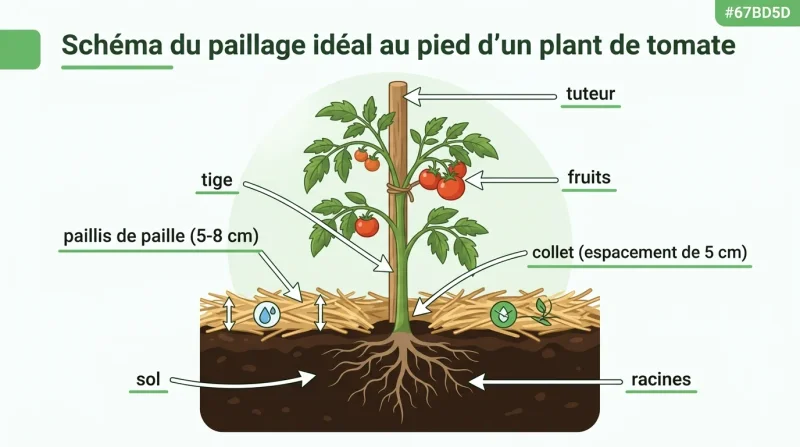
If one recipe were to be highlighted, it would be mulching. This practice can dramatically transform an average tomato plant into a productive one. Mulching involves covering the bare soil around the plant with organic material (such as straw, dried grass clippings, or leaves). The effects are often visible within weeks.
Choosing Materials by Season
In spring, right after planting, dried grass clippings (left in the sun for 2 to 3 days) are preferred as they decompose quickly and add organic matter to the soil. In the height of summer, wheat or rye straw is ideal as it reflects heat, retains moisture, and decomposes slowly. Shredded leaves work well in autumn to prepare for the next season. Avoid using pure pine bark, which is too acidic for tomatoes that prefer a neutral to slightly alkaline soil.
Ideal Thickness and Common Mistakes
Thickness is just as crucial as the material used. Aim for 5 to 8 cm of well-compacted mulch, leaving 5 cm of bare soil around the plant's collar to prevent rot. A mulch layer that is too thin (less than 3 cm) will not effectively suppress weeds or evaporation. Conversely, a layer that is too thick (over 12 cm) can hinder soil warming in spring and delay fruiting. Refresh the mulch layer throughout the season as it decomposes and nourishes the soil.
Note: Mulching can reduce the frequency of watering by half in the summer and significantly limit the spread of mildew spores present in the soil, which can splash onto the lower leaves during rain or watering.
Horsetail Decoction: The Final Tip Against Mildew
Mildew is the number one enemy of French gardens, especially during humid summers. Before resorting to Bordeaux mixture, gardeners of the past used horsetail decoction (Equisetum arvense), a plant rich in silica that strengthens the cell walls of leaves. This is a preventive measure to be applied before symptoms appear, not a curative treatment once the disease has taken hold.
Recipe and Frequency of Application
Soak 100 g of dried horsetail (or 1 kg of fresh horsetail) in 10 liters of rainwater for 24 hours. Bring to a boil, then simmer covered for 30 minutes. Filter and let cool. Dilute the decoction to 20% (1 liter for 4 liters of water) and spray it on the foliage early in the morning or late in the day, avoiding direct sunlight. A good preventive rhythm is to apply it every 10 to 15 days, starting from when the flowers appear until the onset of fruiting.
Complete Calendar for Beautiful Tomatoes from June to September
In summary, here’s how to implement the five recipes throughout the season: May-June: plant with crushed eggshells at the bottom of the hole, apply mulch as soon as the soil warms, and the first diluted nettle tea two weeks after planting. June-July: apply coffee grounds every two weeks, space out nettle tea applications, and the first horsetail decoction when flowers begin to form. July-August: apply horsetail decoction preventively every 10 days, replenish mulch, and monitor for mildew. September: staggered harvesting and the final layer of mulch that will remain in place to nourish the soil until the next season.
To create a truly vibrant and sustainable soil beyond just tomatoes, the overarching approach to gardening and sustainable living follows the same principle: nourish rather than boost, and prevent rather than cure.