Understanding Ant Colonies in Your Garden: Structure, Ecology, and Coexistence
Explore the intricate world of ant colonies in gardens, their structure, ecological roles, and how to coexist with them effectively.
Understanding Ant Colonies in Your Garden: Structure, Ecology, and Coexistence
Ant colonies, or fourmilières, represent a complex underground network that remains hidden from view yet is intricately organized. These structures can span several square meters and reach depths of up to 1.5 meters for common garden species. The main galleries typically range from 4 to 8 millimeters in diameter, facilitating the smooth movement of worker ants as they transport food and larvae.
The internal architecture of an ant colony showcases a precise organization tailored to the colony's needs. The nursery chambers are situated at varying depths to maintain the ideal temperature for larval development. Warmer chambers are located closer to the surface to capture solar heat, while deeper chambers maintain a stable temperature throughout winter. This thermal stratification allows ants to optimize the growth of their offspring according to seasonal changes.
- Royal chamber: Home to the queen, located in the most protected area.
- Storage rooms: For the preservation of seeds and food supplies.
- Dumping grounds: Designated areas for the colony's waste.
- Nurseries: Climate-controlled spaces for raising larvae.
Common Ant Species Found in French Gardens
The black garden ant (Lasius niger) prefers paved areas and terraces, establishing nests beneath flat stones where they benefit from a favorable microclimate. Their characteristic mounds, formed from fine soil expelled during gallery construction, are often visible in spring. This species particularly enjoys the joints of paving stones, making it easy for them to infiltrate.
In contrast, the yellow lawn ant (Lasius flavus) thrives in grassy areas, creating visible mounds that can measure between 10 and 30 centimeters in diameter. While these structures can disrupt the uniformity of lawns, they indicate intense underground activity. Unlike their black counterparts, this species exclusively tends to root aphids, feeding on the honeydew they produce. Their presence often signals a soil rich in organic material.
The carpenter ants (Camponotus) are the largest ants found in French gardens, measuring between 6 and 17 millimeters. They burrow into wooden structures, excavating galleries in outdoor furniture and beams. Their distinctive rounded thorax and characteristic gait make them easily identifiable, though their nocturnal habits can make them difficult to spot. Evidence of their presence often includes wood shavings.
Ecological Impact of Ant Colonies: Unrecognized Allies for Gardeners
Ants play a vital role in transforming several tons of soil per hectare annually, rivaling earthworms in their contributions to soil structure improvement. This bioturbation enhances water infiltration and oxygenation of plant roots. Their activity can increase soil porosity by up to 15% in the presence of active colonies. Abandoned galleries serve as natural drainage channels, particularly beneficial during rainy periods.
The organic recycling role of ants extends beyond mere predation. These insects routinely transport plant debris, insect remains, and seeds into their underground nests. Once decomposed, this organic matter enriches the surrounding soil with essential nutrients. It is estimated that a medium-sized colony processes approximately 2 to 3 kilograms of organic matter each year.
- Pollination: Inadvertent transport of pollen between flowers.
- Seed dispersal: Distribution of seeds over wide areas.
- Pest regulation: Predation on destructive larvae and caterpillars.
- Soil aeration: Creation of gallery networks that promote root growth.
Challenges Posed by Ant Colonies: Identifying Real Issues
The aesthetic damage caused by ant colonies is a primary concern for gardeners. Mounds of fine soil frequently dot well-maintained lawns, creating irregularities that are hard to hide. Notably, species like Lasius flavus can destabilize the root systems of grasses by creating significant cavities beneath the surface, leading to circular yellowing, especially during dry spells.
Certain ant species protect aphids, exacerbating damage to ornamental and vegetable crops. Black garden ants actively defend their aphid herds against natural predators like ladybugs, which disrupts the biological balance and may necessitate intervention to maintain plant health. Severe aphid infestations are often observed on roses and nearby shrubs adjacent to active ant colonies.
The invasion of domestic spaces is another major annoyance for homeowners. Ants methodically explore kitchens and terraces, following persistent pheromone trails that are difficult to eradicate. Massive incursions are especially common during hot, dry periods when colonies seek alternative food and water sources.
Natural and Ecological Solutions for Managing Ant Colonies
Coffee grounds serve as a natural repellent, effective due to their acidic pH and aromatic compounds. It is recommended to spread fresh coffee grounds around sensitive areas, renewing the application after each rainfall. This method not only deters ants but also enriches the soil with nitrogen and potassium, benefiting surrounding plants. Effectiveness can reach a 70% reduction in ant traffic over a period of 7 to 10 days.
Food-grade diatomaceous earth acts as a formidable physical barrier against ants. This microscopic powder, derived from fossilized diatoms, damages the exoskeletons of insects through mechanical abrasion. A fine layer should be applied to the ants' usual pathways, avoiding wet periods that may diminish its effectiveness. This solution is environmentally friendly and poses no danger to pets.
- White vinegar: Spray with 14% acidity on ant trails.
- Ground cinnamon: Sprinkle around sensitive plants.
- Lemon: Place fresh slices at entry points.
- Chalk: Draw lines that disrupt their sensory receptors.
Repellent plants can provide a durable and aesthetic barrier against new colonies. Peppermint (Mentha x piperita) emits volatile compounds that are particularly deterrent to ants. Planting this species along the edges of vegetable gardens or in strategically placed pots can be effective. Holy basil (Ocimum tenuiflorum) and true lavender (Lavandula angustifolia) also contribute to this natural plant barrier.
Advanced Techniques for Gardening with Ant Colonies
Mapping colonies enables gardeners to optimize their layouts according to ant activity zones. A precise plan can be established to locate active ant colonies, their probable extensions, and main traffic corridors. This approach often reveals surprising patterns, such as the concentration of nests near watering points or under fruit trees. Observing these patterns over multiple seasons refines this mapping and informs landscaping decisions.
Differentiated zone gardening leverages the presence of ant colonies to create specialized micro-environments. Colonized areas benefit from enhanced aeration and organic enrichment, conditions favorable for perennial plants and resilient shrubs. These zones are reserved for plants that are less sensitive to aphids, such as ornamental grasses or Mediterranean plants. Protected areas can accommodate delicate crops needing closer monitoring.
Utilizing ants as biological indicators can provide insights into the overall health of the garden. A sudden increase in activity often signals environmental imbalances, such as excess moisture or an aphid outbreak. Regular monitoring of colony dynamics helps anticipate potential issues, making this ecological vigilance particularly valuable for preventive pest management.
Ant Colonies and Vegetable Gardens: Optimizing Productive Coexistence
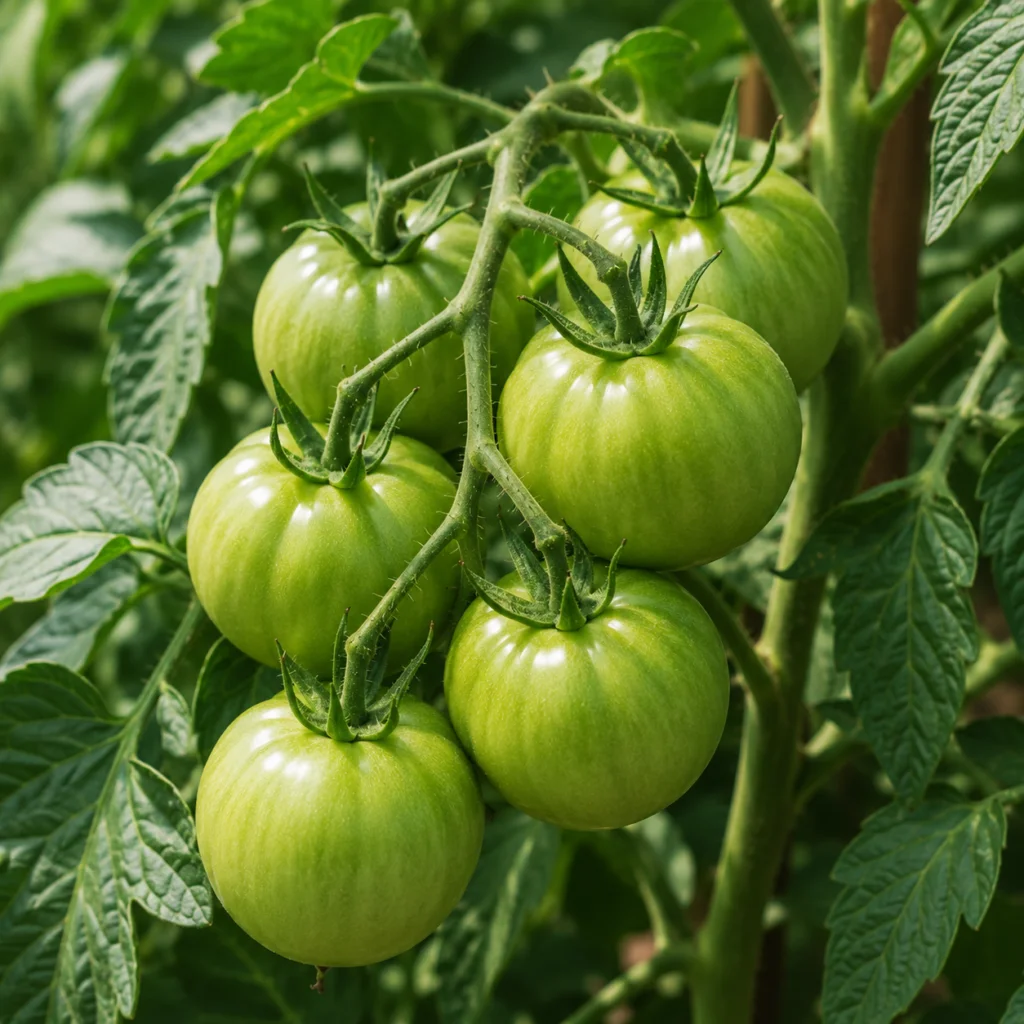
Sensitive crops require specific protection against ant activity and their associated aphid herds. Tomato plants and roses frequently suffer from aphid attacks encouraged by nearby ant colonies. Implementing sticky bands around stems can intercept climbing ants, complemented by sprays of black soap concentrated at 5% in water. This strategy preserves beneficial insects while minimizing damage to priority crops.
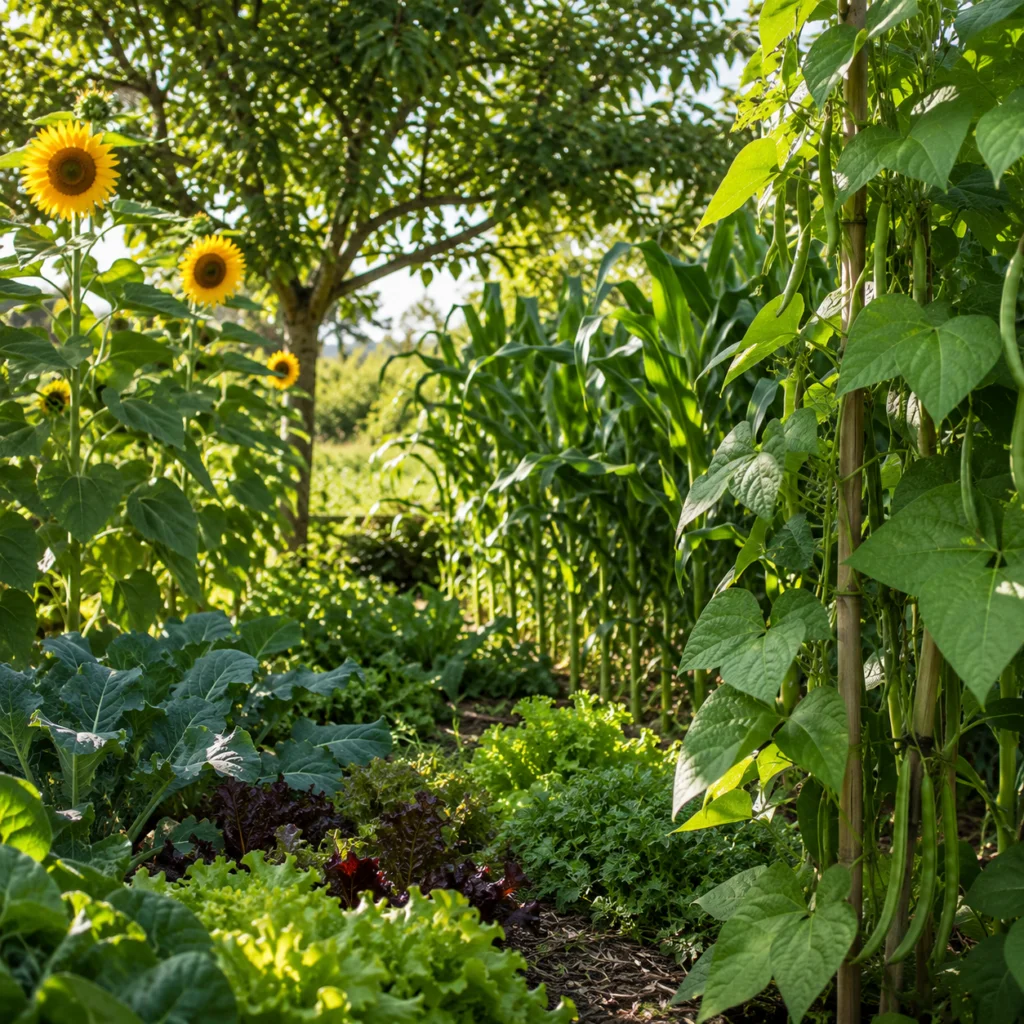
Crop rotation can adapt to the permanent presence of ant colonies, favoring resistant species in colonized areas. Legumes such as green beans and peas tolerate the underground activities of ants well. In fact, their growth can improve due to the natural soil aeration provided by ants. Conversely, alliums (garlic, onion, shallot) exert a beneficial repellent effect and are best placed along the borders of sensitive zones.
-
Weekly counting: Monitor the number of active ants.
-
Plant inspection: Early detection of aphid colonies.
-
Mound measurement: Evaluate colony expansion.
-
Barrier testing: Check the effectiveness of natural repellents.
Monitoring and Intervention: When and How to Act Effectively
The intervention threshold varies based on the use of each garden area and the gardener's personal tolerance. It is recommended to take action when mounds exceed 5 centimeters in height on ornamental lawns or when domestic invasions surpass ten individuals per day. This graduated approach prevents unnecessary interventions while maintaining an acceptable comfort level. Observing seasonal cycles can guide the optimal timing for corrective actions.
Targeted intervention techniques focus on temporary disruption rather than total elimination of colonies. Ideally, moving an ant colony should occur in spring or late summer when reproductive activity is lower.