Top 12 Nectar-Producing Plants to Save Bees in 2026
Discover the top 12 nectar-producing plants to support bee populations in your garden. From clover to lavender, learn how to create a haven for pollinators.
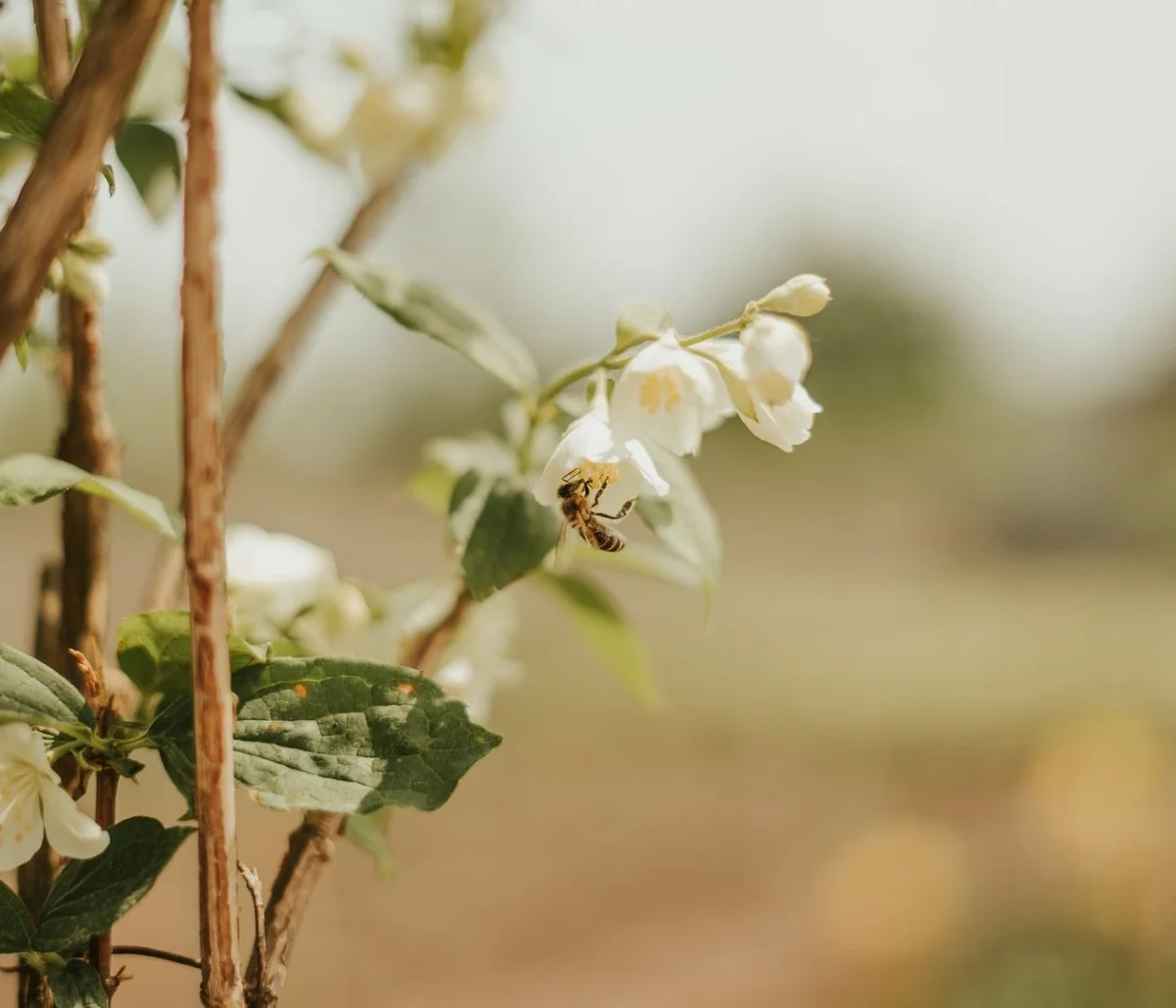
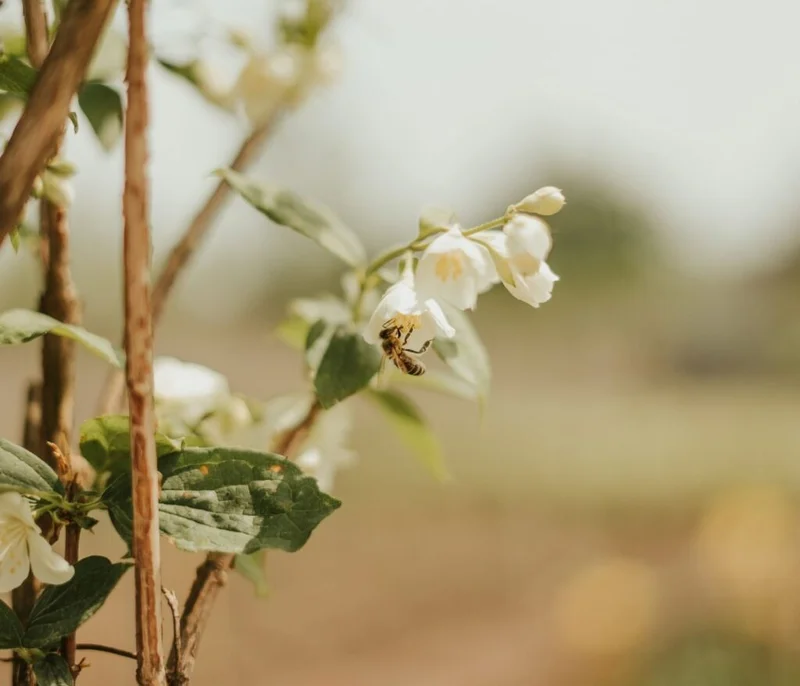
Bees require a continuous supply of nectar and pollen from spring through autumn to thrive. By incorporating specific plants into your garden, you can create a crucial habitat for these vital pollinators. Here are twelve essential plants that bloom across all seasons, from rosemary to ivy.
Understanding Nectar-Producing Plants
Gardening is a delightful endeavor, where every bloom tells a story. But did you know that not all plants attract bees? A nectar-producing plant is one that generates enough nectar and pollen to sustain and attract bees. Nectar provides energy, while pollen offers essential proteins for their development. Unfortunately, in France, the situation is dire, with up to 30% of bee colonies disappearing annually due to habitat loss, monoculture practices, and pesticide use. However, you can make a difference!
The 12 Essential Nectar-Producing Plants for Your French Garden
The following plants were chosen based on their nectar and pollen richness, flowering periods for continuous bloom, and adaptability to the French climate.
1. White Clover (Trifolium repens) – The Bees' Pantry
This perennial ground cover is perfect for flowering lawns. It produces abundant nectar and protein-rich pollen, blooming from spring to autumn depending on the region. For best results, sow it in your lawn and mow less frequently to allow it to flower. White clover is commonly used in farmers' flowering fallow lands in France.
2. True Lavender (Lavandula angustifolia) – The Blue Gold of Provence
Lavender is truly a garden staple. This Mediterranean shrub withstands drought and produces sweet nectar, leading to the famous AOC lavender honey. Blooming from June to August, it should be planted in full sun with well-drained soil. Prune after flowering, and consider varieties like ‘Hidcote’ that thrive even in northern regions.
3. Phacelia (Phacelia tanacetifolia) – The Green Fertilizer for Bees
An annual plant that grows quickly, phacelia produces abundant nectar and attracts bumblebees and hoverflies. It blooms from May to October with staggered sowings, making it ideal for crop rotation in gardens.
4. Rosemary (Rosmarinus officinalis) – The First Meal for Bees After Winter
As winter ends, bees are hungry, and rosemary offers a rich nectar source with its early blooms from March to April (in the south) or April to May (in other areas). It can be planted in hedges or pots and is drought-resistant, making it an essential springtime shrub.
5. Sunflower (Helianthus annuus) – A Massive Source of Pollen in Summer
Sunflowers are impressive annuals that provide abundant pollen and moderate nectar. Blooming from July to September, they should be sown in spring. Opt for non-hybrid varieties with simple flowers, as bees prefer them. Be cautious of treated fields and choose organic seeds.
6. Ivy (Hedera helix) – The Last Feast Before Winter
Often overlooked, ivy is a climbing perennial that blooms late in the year, providing the last nectar source from September to November. Allow it to climb on walls or trees, and avoid trimming it in autumn. This native plant is very resilient and crucial for bees before winter.
7. Buckwheat (Fagopyrum esculentum) – Quick and Generous Blooming
A fast-growing annual, buckwheat produces abundant nectar that results in a dark, rich honey. Blooming from June to August, it's suitable for poor soils and is traditionally cultivated in Brittany, gaining popularity in gardens once again.
8. Borage (Borago officinalis) – The Blue Flower Magnet for Bees
Borage is the quintessential nectar-producing annual. It offers abundant nectar and continuous blooms from May to September. Sow it directly in place, as it self-seeds easily. Additionally, its flowers are edible and can be added to salads, making it a delightful addition!
9. Linden (Tilia cordata) – The Quintessential Nectar Tree
This large deciduous tree produces fragrant nectar, leading to renowned linden honey. Blooming in June, it can be planted alone or in rows. While it may attract aphids, this is a small price to pay for supporting bee populations.
10. Meadow Sage (Salvia pratensis) – Long Blooming for Foragers
A wild perennial, meadow sage provides rich nectar and abundant pollen. It blooms from May to July and should be sown in autumn or spring, preferably in calcareous soil. It's a native plant of French meadows, ideal for biodiversity.
11. Poppy (Papaver rhoeas) – Vivid Red Pollen that Attracts Bees
This wild annual plant doesn’t produce nectar but offers abundant pollen. Blooming from May to June, it should be sown in autumn. Allow the edges of your garden to go wild, as poppies are declining and should be planted!
12. Raspberry (Rubus idaeus) – A Dual-Purpose Fruit Shrub
A fast-growing fruit shrub, raspberries provide abundant nectar and rich pollen. Blooming from May to June, they can be planted in hedges or rows and should be pruned after fruiting. Widely cultivated in family gardens, they yield delicious fruits as well.
Planning Your Nectar Garden for Continuous Bloom
To ensure bees always have food, stagger the blooming periods of your plants. Here’s a simplified calendar:
| Period | Key Plants | |--------|------------| | March | Rosemary | | April | Rosemary, Sage, Poppy | | May | Lavender, Linden, Raspberry, Clover | | June | Phacelia, Sunflower, Buckwheat, Borage | | September | Ivy |
Tailor your selections to your region: in the north, focus on clover, raspberry, and linden; in the south, prioritize lavender, rosemary, and sage; and in the west, consider buckwheat and borage.
Practical Tips for a Successful Nectar Garden
Here are some tips I’ve learned over time:
- Prepare the soil: lightly till and remove weeds. Sow annuals directly in the ground.
- Avoid pesticides: even organic products can harm bees. Use plant-based solutions instead.
- Water wisely: overwatering dilutes nectar. Water in the morning if possible.
- Respect French regulations: while there are no strict requirements for private gardens, avoid invasive species like buddleia in certain areas.
Why Do Bees Need Diverse Plants?
Bees require a balanced diet. A single species is insufficient; nectar provides carbohydrates while pollen supplies proteins, lipids, and vitamins. By offering a variety of plants, you enhance their immune systems. According to a study by INRAE, floral diversity increases colony resistance to diseases by 18%.
Frequently Asked Questions about Nectar-Producing Plants
What’s the difference between a nectar-producing plant and a nectar plant?
A nectar-producing plant provides both nectar and pollen, while a nectar plant only produces nectar. All nectar-producing plants are nectar plants, but not vice versa. For instance, poppies only produce pollen.
Can I plant nectar-producing plants in pots on my balcony?
Absolutely! Lavender, rosemary, borage, and phacelia thrive in pots. Ensure good drainage and sufficient sunlight. Even a small balcony can make a difference.
Do I need a large garden to help bees?
Not at all! A balcony or terrace with a few well-chosen pots can sustain dozens of bees. Every flower counts, so even a modest effort can be impactful.
Do nectar-producing plants attract wasps?
Rarely, as wasps prefer protein sources like meat. Bees are drawn to sugar, so you can plant without worry.
Where can I buy nectar-producing plant seeds in France?
Seeds can be found in garden centers, agricultural cooperatives, or specialized websites like Graines de Vie, Vilmorin, or Ferme de Sainte Marthe. Opt for organic and local seeds whenever possible.
What nectar-producing plants do you grow in your garden? Share your tips in the comments!