How to Conserve Water in Your Garden During Summer
Discover effective strategies to conserve water in your garden during summer droughts, including optimal watering techniques and plant selection.
Water is an essential resource, yet it is becoming increasingly scarce, particularly in regions facing summer droughts. Gardens, which often require significant watering, can quickly become substantial water drains if proper precautions are not taken. However, with a more thoughtful approach and suitable practices, it is entirely possible to cultivate a lush and productive garden without wasting water. This begins with a better understanding of natural mechanisms, soil, and plant needs.
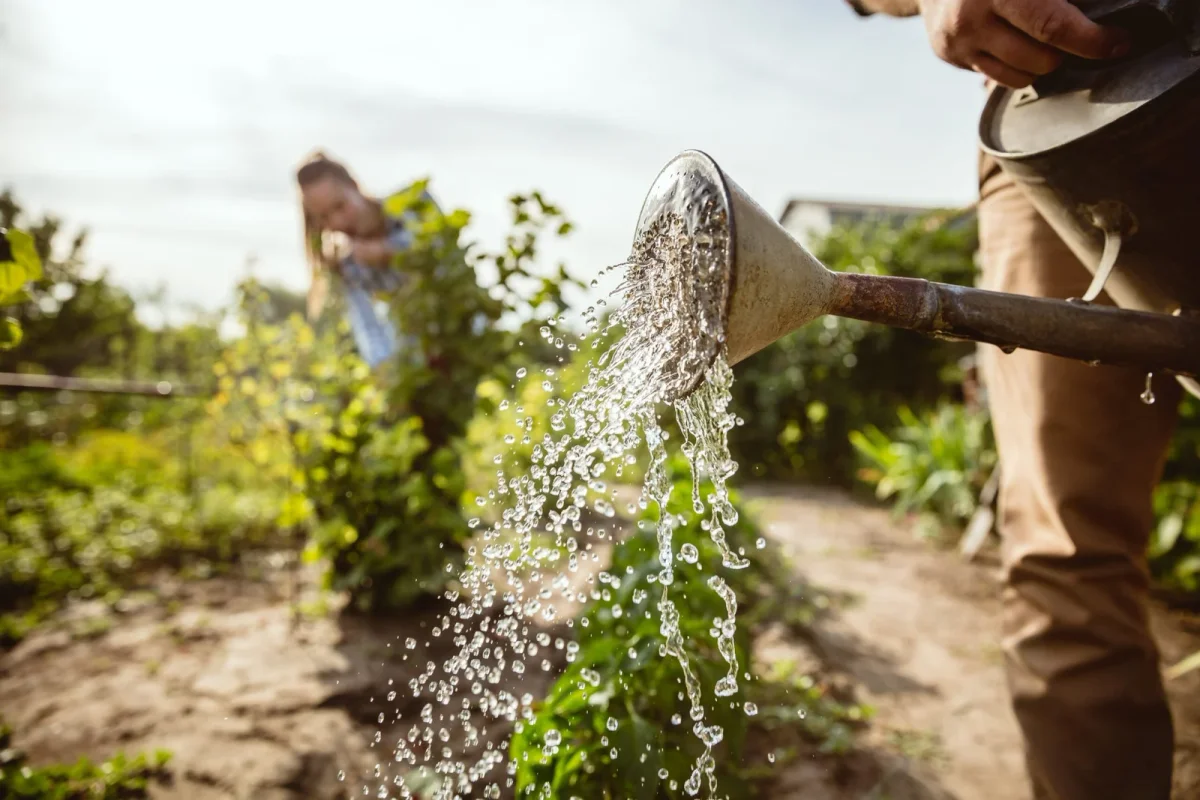
One of the simplest yet most effective actions is to adjust watering schedules. Water evaporates rapidly when applied under direct sunlight, providing minimal benefits to the roots. Therefore, it is advisable to water in the evening during the summer when temperatures drop, or in the morning during cooler seasons. This practice not only allows for better water penetration into the soil but also significantly reduces evaporation losses.
Optimize Watering Methods to Minimize Losses
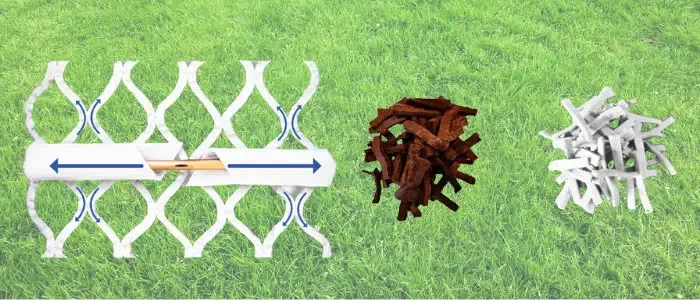
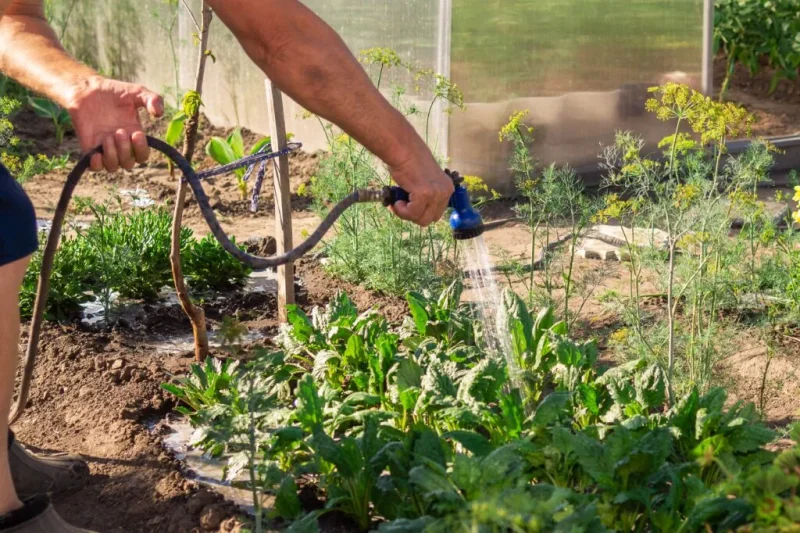
Beyond timing, the method of watering greatly influences water consumption. Often, water is sprayed uniformly across the garden, including areas where it is unnecessary. By targeting the base of the plants, you ensure that moisture reaches the roots directly, where it is most beneficial. Systems such as drip irrigation or micro-perforated hoses allow for slow, continuous, and much more economical watering. In contrast, traditional sprinklers mainly wet the leaves and the soil surface, lacking depth and increasing losses.
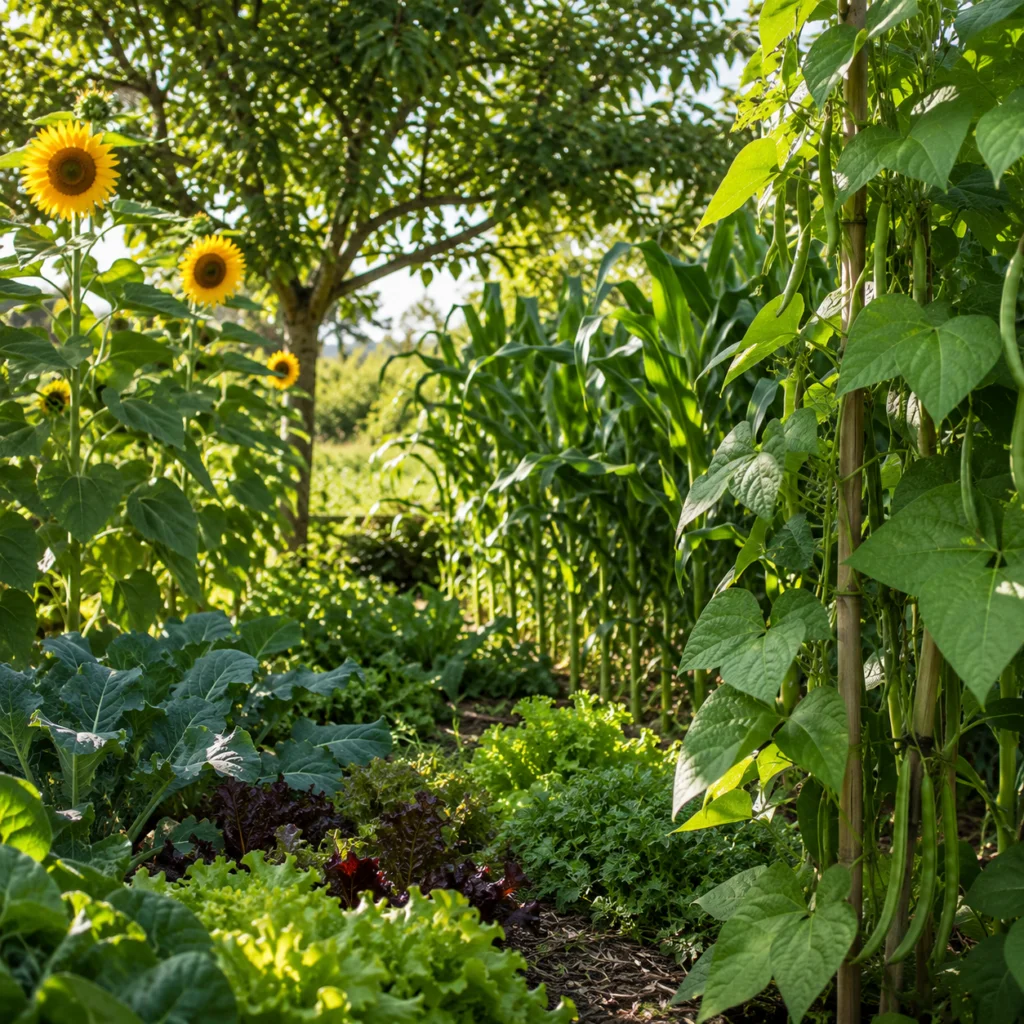
Not all plants have the same water requirements. Certain species, particularly Mediterranean or native plants, have developed the ability to withstand drought. They can extract moisture from deep within the soil, store water in their leaves, or reduce transpiration. By structuring your garden around these drought-resistant species and grouping plants according to their water needs, you can avoid the necessity of uniformly watering the entire area. This approach enables you to tailor water delivery zone by zone, based on actual needs.
A poor or overly compacted soil allows water to escape quickly, making it unavailable to plants. To counter this issue, it is crucial to nourish and aerate the soil. Adding organic matter, such as compost, enhances its water retention capacity. The soil then becomes more sponge-like, absorbing and retaining water more effectively. Soil cultivation should remain gentle: avoiding deep turning preserves the microorganisms that structure the soil. Tools like the grelinette can aerate without disrupting the biological balance of the ground.
Employ Mulching to Reduce Evaporation
Mulching is an age-old technique that remains highly effective for conserving moisture in the soil. By covering the surface with natural materials such as straw, fallen leaves, or shredded wood, a protective barrier is created that limits evaporation. Mulch also serves as insulation: it mitigates temperature fluctuations and reduces the proliferation of weeds that compete with cultivated plants. As a result, the soil stays cool and moist for longer, decreasing the need for watering.
Harvest Rainwater: A Free and Eco-Friendly Solution
Instead of relying on drinking water to irrigate your garden, it is much wiser to collect rainwater. This free resource is perfectly suited for plants, as it is soft and free of chemicals. Installing a rainwater collection tank at the base of a downspout can gather several hundred liters with just a few rain showers. This reserve can then be used to manually water or be connected to a drip irrigation system. With some organization, this solution allows for watering a large portion of the garden without tapping into the domestic water supply.
Certain elements of the garden, such as lawns, are particularly water-intensive. A lush green lawn in summer requires frequent watering, often daily. It may be beneficial to reduce these areas or even replace them with less demanding alternatives, such as ground cover plants, dry flower beds, or mineral zones enhanced with water-efficient vegetation. By diversifying the landscaping, you naturally limit water needs while enhancing the garden's aesthetic appeal.